Best Portable Power Stations for RV and Van Life in 2026
3 min read
On this page
- The short version
- How we picked (research-based)
- Our picks at a glance
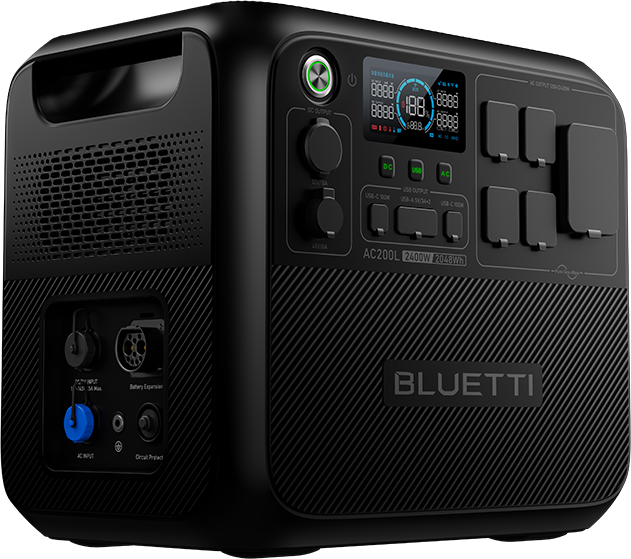
- 1. Bluetti AC200L — best overall for RVs
- 2. EcoFlow River 3 Plus — best for vans and weekenders
- 3. Anker Solix C1000 — best all-rounder
- 4. Jackery Explorer 1000 v2 — lightest 1kWh class
- 5. EcoFlow Delta 2 — best value
- Comparison table
- How to size power for van life
- Charging on the road: the three ways
- What to avoid
- FAQ
- Verdict
The best portable power station for RV and van life runs your 12V fridge, laptops, and lights for days — and recharges fast while you drive. Based on published specs, expert reviews, and owner feedback, here are the five units that do it…
The short version
For RV and van life, the Bluetti AC200L is our top pick: 2048Wh of storage, 2400W of output, a dedicated 30A RV outlet, and fast recharging — the closest thing to a shore-power replacement you can carry. If you're in a smaller van or on a tighter budget, the EcoFlow River 3 Plus (10.4 lbs, under 30 dB) handles a 12V fridge, lights, and laptops beautifully, while the Anker Solix C1000 and Jackery Explorer 1000 v2 are the sweet spot for most campervan builds at ~1kWh. The right size depends on one question: do you want to power an air conditioner or rooftop loads, or just the essentials?
This is a research-based guide: every spec below comes from the manufacturers' official documentation, and the strengths and weaknesses reflect patterns across published expert reviews and verified owner feedback. We did not bench-test these units.

How we picked (research-based)
We compared current-generation portable power stations from EcoFlow, Jackery, Bluetti, and Anker against the criteria that actually matter on the road:
- 12V DC output quality: a regulated 12V car port matters for compressor fridges, which misbehave when voltage sags.
- Recharge options on the move: solar input wattage, car/alternator charging support, and AC recharge speed (you want to refill during a lunch stop, not overnight).
- Weight and footprint: every pound counts in a van; we note which units realistically live in a camper full-time.
- Noise: fans matter when you sleep next to the unit.
- Expandability: can you add capacity later as your build grows?
- Battery chemistry and warranty: we only considered LiFePO4 units with 5-year warranties — a full-time rig should last a decade.
Our picks at a glance
| Pick | Capacity | Output | Weight | Best for |
|---|---|---|---|---|
| Bluetti AC200L | 2048Wh | 2400W | 62.4 lbs | Full-time RVs, 30A shore-power replacement |
| EcoFlow River 3 Plus | 286Wh (to 858Wh) | 600W | 10.4 lbs | Vans, weekenders, the ultralight pick |
| Anker Solix C1000 | 1056Wh | 1800W | 28.4 lbs | Best all-rounder, fastest recharge |
| Jackery Explorer 1000 v2 | 1070Wh | 1500W | 23.8 lbs | Lightest 1kWh class, quiet camping |
| EcoFlow Delta 2 | 1024Wh | 1800W | 27 lbs | Value pick, fastest AC charging |
1. Bluetti AC200L — best overall for RVs
The AC200L is the only pick here built like an RV appliance rather than a camping gadget. Its 2048Wh LiFePO4 battery and 2400W inverter (3600W in Power Lifting mode for resistive loads) will run a microwave, induction cooktop, or a small air conditioner — and the dedicated 120V/30A AC outlet plus a 48V/8A DC port mean you can wire it into an RV's 12V system or charge your house battery through Bluetti's D40 DC-DC regulator.
On the road, recharging is where it earns its keep: 2400W AC input (0–80% in ~45 minutes) and 1200W of solar input for serious rooftop arrays. The 3000+ cycle LiFePO4 rating and 5-year warranty fit a full-timer's decade-long math. The trade-off is real, though: at 62.4 lbs it's a two-person lift or a permanent install — this isn't a unit you haul to a picnic table.
Verified specs: 2048Wh LiFePO4 | 2400W AC (3600W Power Lifting) | 62.4 lbs | 1200W max solar | expandable to 8192Wh | 5-year warranty.
2. EcoFlow River 3 Plus — best for vans and weekenders
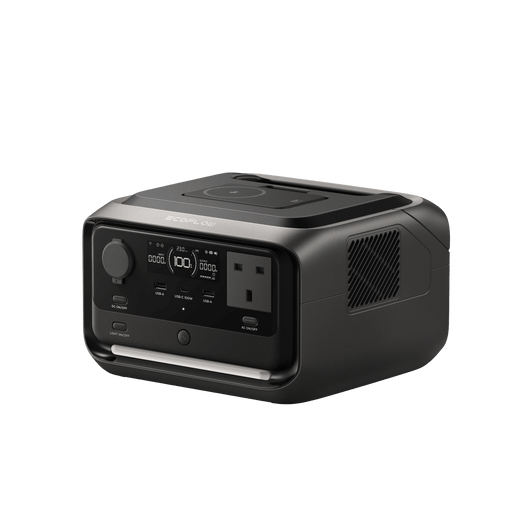
Not every rig needs 2kWh. The River 3 Plus is the anti-bulk pick: 286Wh (stackable to 858Wh with the EB600 extra battery), a genuine 600W inverter (1200W with X-Boost), and just 10.4 lbs. EcoFlow rates it under 30 dB, and its X-GaNPower design doubles runtime for sub-100W loads — the 12V fridge, phones, and LED strings that make up most van-life power draws.
It also works as a <10 ms UPS, charges 0–100% in about an hour from AC, and takes 220W of solar. The catch: 286Wh is one day of modest use, not three. Think of it as a daily-use power brick with solar top-ups, not an outage bunker. For part-timers and minimalists, though, nothing else this light covers the essentials this well.
Verified specs: 286Wh LiFePO4 (expandable to 858Wh) | 600W AC (1200W X-Boost) | 10.4 lbs | <30 dB | 220W solar | 5-year service.
3. Anker Solix C1000 — best all-rounder
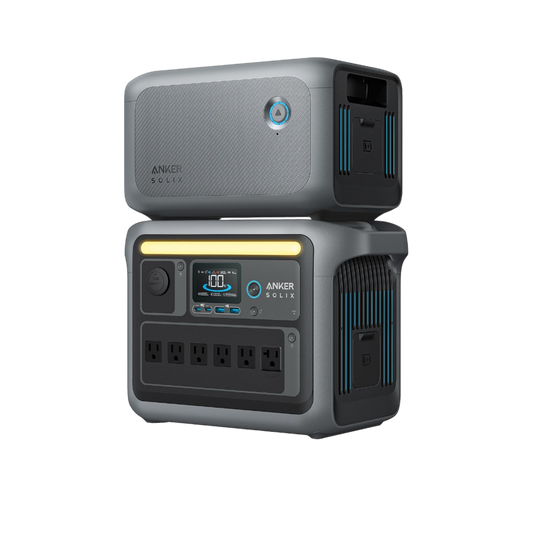
The C1000 is the crowd-pleaser: 1056Wh, 1800W output, and the fastest wall charging in the 1kWh class — Anker's HyperFlash fills it 0–100% in 58 minutes. Anker's own published runtimes are honest and useful: ~33 hours on a car fridge, ~18.6 hours on a CPAP, ~14 hours on a full-size fridge. Six AC outlets and a 20 ms UPS cover a campervan's whole electrical panel through a single box, and 600W of solar input keeps it topped up from a roof array in about 1.8 hours.
Owner feedback consistently praises the app and the compact 14.8 × 8.07 × 10.5 in footprint — it slides under a van bench seat. It's heavier than the Jackery below (28.4 lbs) and the expansion battery pushes the total cost up, but as a do-everything unit for a campervan build, it's the easiest recommendation.
Verified specs: 1056Wh LiFePO4 | 1800W AC (2400W surge) | 28.4 lbs | 58-min HyperFlash charge | 600W solar | 3000 cycles | 5-year warranty.
4. Jackery Explorer 1000 v2 — lightest 1kWh class
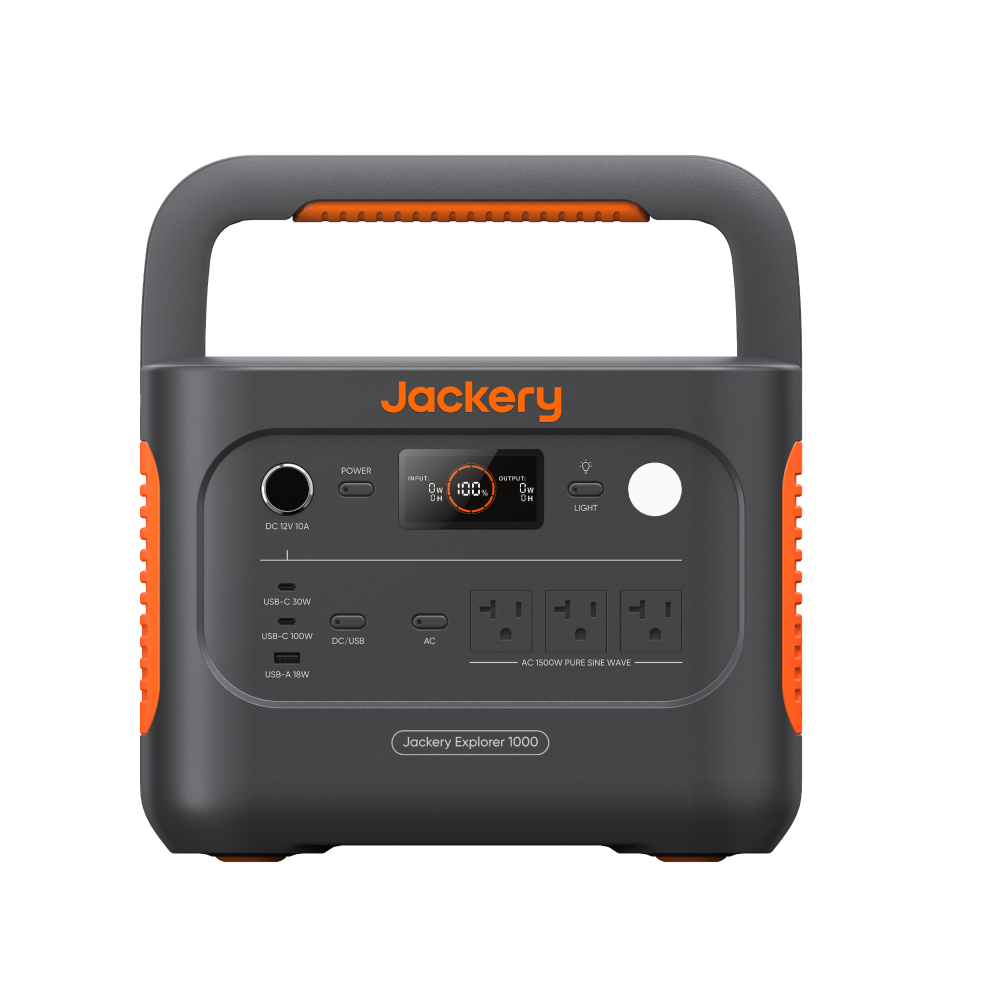
At 23.8 lbs, the Explorer 1000 v2 is the lightest way to carry 1070Wh — a meaningful difference when you're loading a van solo. The v2 fixed the original's biggest weakness with a LiFePO4 battery rated for 4000 cycles, and it keeps Jackery's reputation for quiet operation (rated ≤22 dB in quiet mode) and dead-simple use. One-hour emergency charging via the app and a 20 ms UPS round out a strong package.
The compromises are real, though: it's not expandable (you're locked at 1070Wh), 400W of solar input is modest next to EcoFlow and Anker rivals, and 1500W of output means big resistive appliances are off the menu. For sleeping in the van and running the essentials silently, it's superb; for cooking with electricity, look at the 1800W picks.
Verified specs: 1070Wh LiFePO4 | 1500W AC (3000W surge) | 23.8 lbs | 1-hr emergency charge | 400W solar | 4000 cycles | 5-year warranty (3+2).
5. EcoFlow Delta 2 — best value
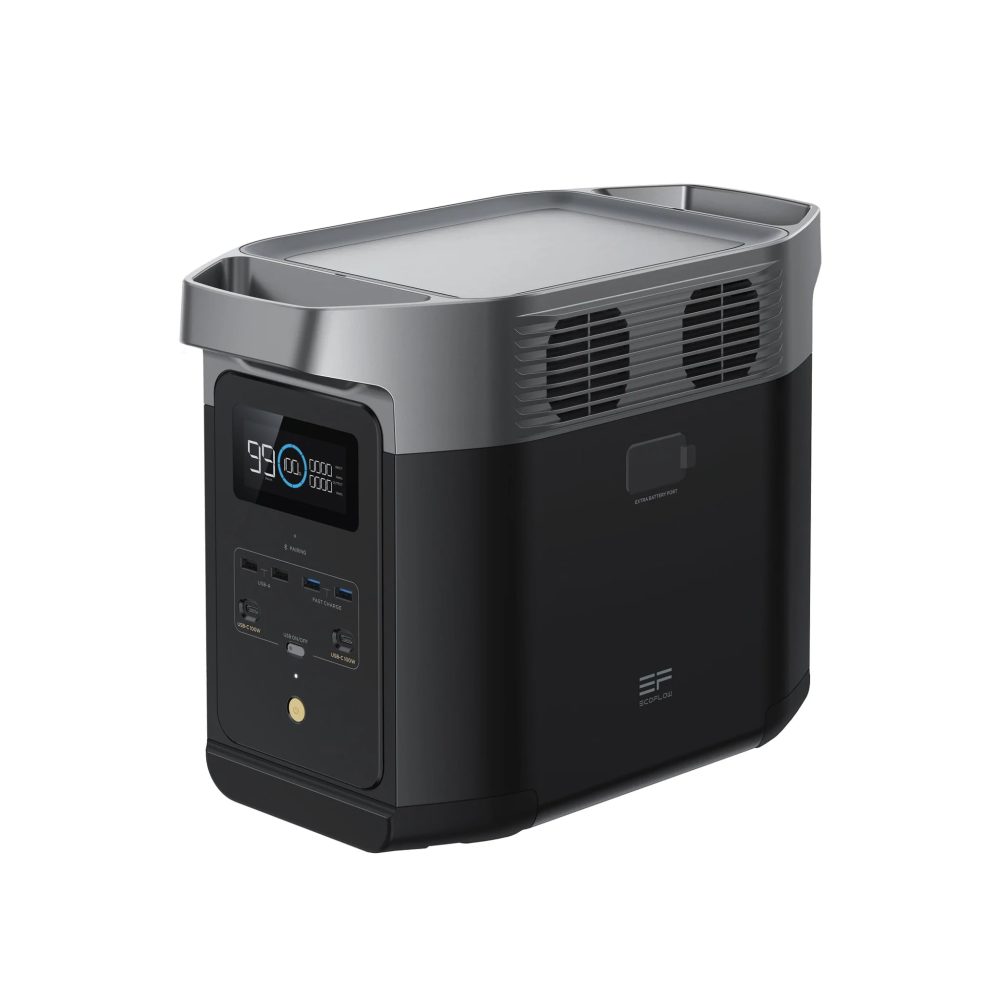
The Delta 2 keeps showing up in van builds for one reason: it's the cheapest way to get 1800W of output with a 3000-cycle LiFePO4 battery and a 5-year warranty. Its 1024Wh runs a 12V fridge for well over a day (EcoFlow's own math: 16–32 hours depending on duty cycle), and the 1200W X-Stream AC charging (0–80% in ~50 minutes) is the fastest in this list per watt-hour.
It's not the quietest (fans get loud above ~900W) and at 27 lbs it's heavier than the Jackery, but it accepts EcoFlow's extra batteries up to 3040Wh — so the van build can grow without replacing the inverter. If budget is the binding constraint, this is the unit to beat.
Verified specs: 1024Wh LiFePO4 | 1800W AC (2700W surge, 2200W X-Boost) | 27 lbs | 0–80% in ~50 min | 500W solar | 3000 cycles | 5-year warranty.
Comparison table
| AC200L | River 3 Plus | Solix C1000 | Explorer 1000 v2 | Delta 2 | |
|---|---|---|---|---|---|
| Capacity | 2048Wh | 286Wh → 858Wh | 1056Wh → 2112Wh | 1070Wh (fixed) | 1024Wh → 3040Wh |
| AC output | 2400W | 600W | 1800W | 1500W | 1800W |
| Solar input | 1200W | 220W | 600W | 400W | 500W |
| Weight | 62.4 lbs | 10.4 lbs | 28.4 lbs | 23.8 lbs | 27 lbs |
| RV-friendly ports | 30A RV outlet, 48V DC | 12V car port | 120W car port | 12V car port | 126W car port |
| Cycle life | 3000+ | 3000 | 3000 | 4000 | 3000 |
| Warranty | 5 years | 5 years | 5 years | 5 years (3+2) | 5 years |
How to size power for van life
The math is simple: watts × hours = watt-hours. A 12V compressor fridge averaging 45W over 24 hours eats ~1080Wh per day — that's the entire Explorer 1000 v2 or C1000 in one day of fridge-only use. Add a laptop (60W × 4 hrs = 240Wh), LED lights (20W × 5 hrs = 100Wh), and phone charging, and a typical van day lands around 1200–1600Wh. That's why most full-time builds land on 2kWh+ (or plan daily solar/alternator top-ups) while weekenders do fine at 1kWh.
The other half of sizing is recharge. A 200W rooftop panel makes roughly 600–1000Wh on a good travel day — enough to replace a fridge day on the C1000 or Delta 2, but only half an AC200L. If you boondock for days, budget solar to cover your daily burn, or the battery is just a very expensive one-day buffer. See our outage sizing worksheet for the full method — the same math applies on wheels.
Charging on the road: the three ways
- Solar: the default. Match panel voltage to the unit's MPPT range; 200–400W of rigid panels is the sweet spot for 1kWh units, 600W+ for 2kWh units.
- Alternator: a DC-DC charger (Bluetti's Charger 1, EcoFlow's 800W Alternator Charger) refills from the engine far faster than a cigarette-lighter plug — the AC200L can take up to 560W this way. Check your vehicle's alternator rating before installing one.
- Shore power / campground pedestal: with fast AC charging (50–60 minutes to full on the Delta 2 and C1000), a lunch stop at a hookup site is a full refill.
What to avoid
- NMC batteries in 2026. Every pick here is LiFePO4 — older lithium chemistries die years sooner in daily-cycle use. Don't buy clearance NMC units for full-time use.
- Under-sizing the inverter. A 300W unit can't start a microwave or run an induction plate. Size the inverter for your biggest single load, the battery for your daily burn.
- Unregulated 12V output for fridges. Cheap units let the 12V port sag as the battery drains, which can shut off compressor fridges prematurely. Stick to the major brands with regulated outputs.
- Leaving it in a freezing van. LiFePO4 shouldn't be charged below freezing (32°F/0°C). Keep the unit inside the heated space in winter.
FAQ
Can a portable power station replace RV shore power?
For everything except big air conditioners, yes — a 2kWh unit with a 30A outlet like the Bluetti AC200L covers the loads most RVers actually use. A 13,500 BTU rooftop AC draws ~1500W running and surges much higher at startup; it will drain a 2kWh battery in about an hour. Most boondockers size for everything-but-AC.
How much solar do I need for van life?
As a rule of thumb: 200W of panels for a ~300Wh unit, 400W for a 1kWh unit, and 600W+ for a 2kWh unit. That roughly replaces a day of modest use (fridge + devices) in good sun.
Can I charge a power station while driving?
Yes — a DC-DC alternator charger is the fast route (hundreds of watts), while a 12V cigarette-lighter plug trickles at ~100W. Verify your alternator's spare capacity and fuse the wiring properly.
Are power stations safe inside a van?
LiFePO4 power stations are safe for indoor use — no fumes, no carbon monoxide, unlike gas generators. Keep them ventilated, secured so they can't slide while driving, and within their temperature ratings.
Which is better for van life: one big unit or two small ones?
One bigger unit is simpler and usually cheaper per watt-hour, and it can run bigger appliances. Two small units give redundancy and are easier to carry. For full-time living, one 2kWh unit with expansion options (AC200L, or a Delta 2 with extra battery) beats a pair of small ones.
Verdict
The Bluetti AC200L is the best portable power station for RV life in 2026 if you want a genuine shore-power substitute: 30A output, 2kWh, and the fastest recharging. Van-lifers and weekenders should save money and weight with the EcoFlow River 3 Plus or split the difference with the Anker Solix C1000 — the best all-rounder in the 1kWh class. Whichever you choose, size the battery to your daily watt-hour burn and the inverter to your biggest single appliance, and you'll never argue about the generator again.
About our reviews
Specs come from published manufacturer data sheets, cross-checked against owner feedback. Figures go stale. Check the current data sheet before you buy. This is not electrical or purchasing advice.
Related guides
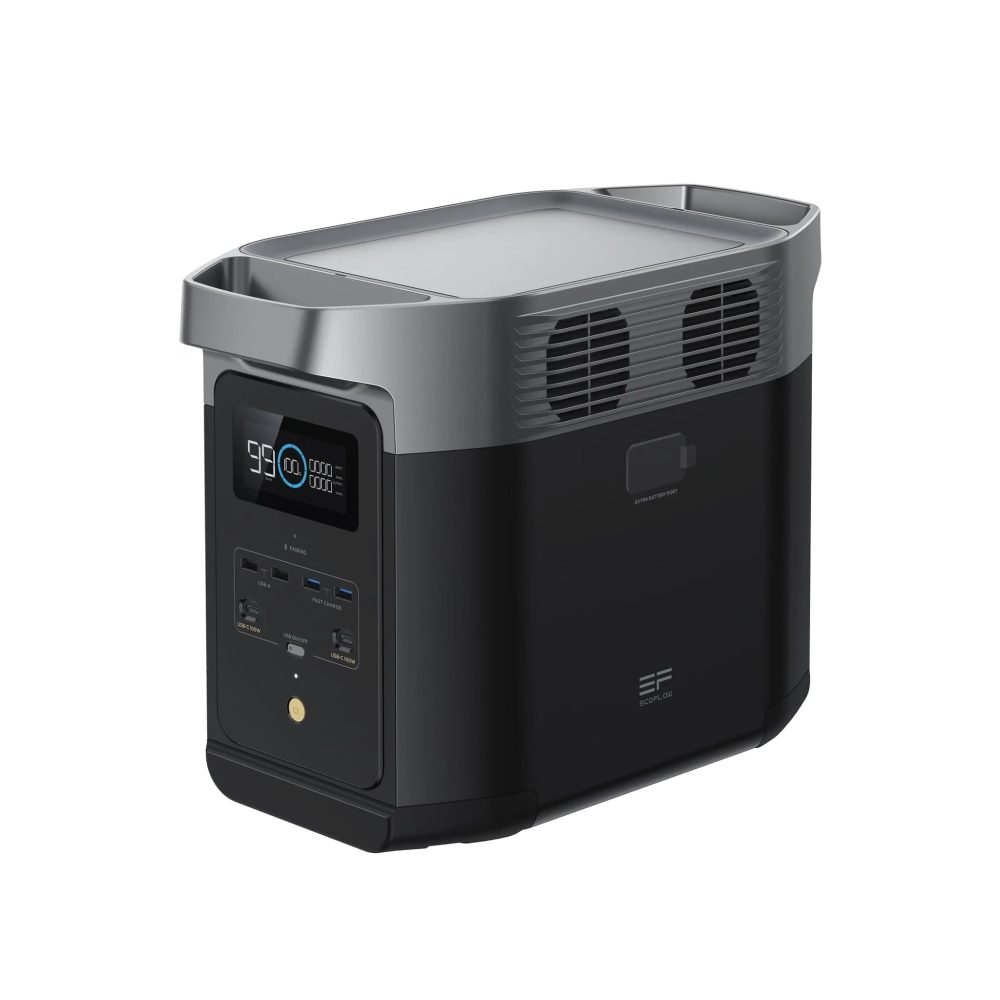 Buying guidesEcoFlow vs Jackery vs Bluetti: Which Brand to Buy in 2026?EcoFlow, Jackery, and Bluetti sell roughly 70% of all portable power stations — but they are not interchangeable. This…
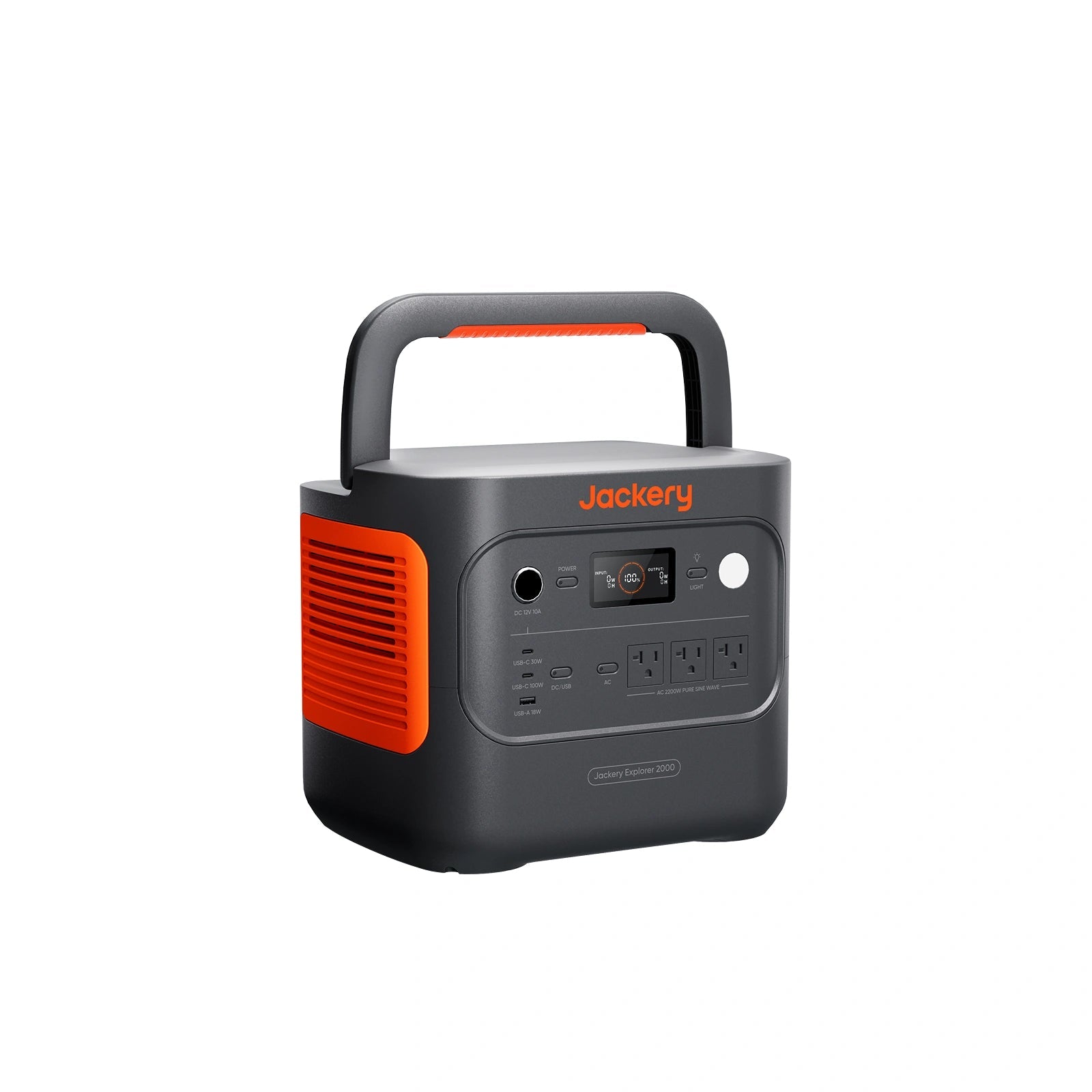 Buying guidesBest Portable Power Stations for Camping in 2026The best camping power stations of 2026, ranked by research: Jackery Explorer 2000 v2, Anker Solix C1000, Bluetti Elite 200 V2,…
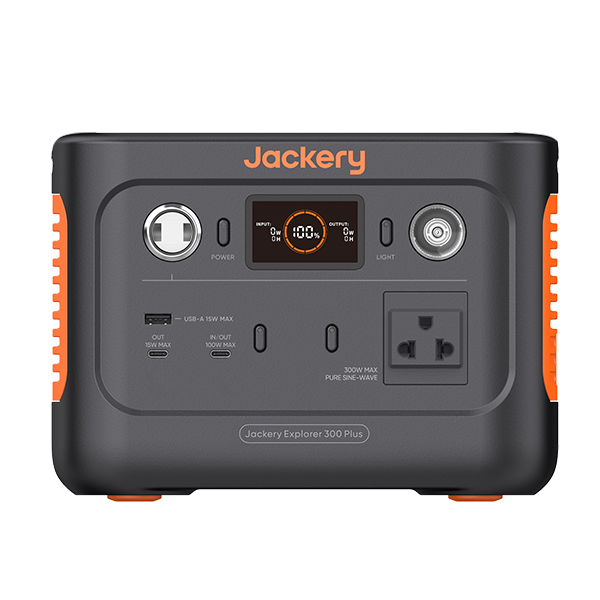 Buying guidesBest Portable Power Stations for CPAP Machines in 2026A CPAP needs 20–60W all night — but the heated humidifier can triple that. These four LiFePO4 power stations run a CPAP…