Best Solar Generators for Power Outages in 2026
5 min read
On this page
- What actually matters in an outage
- Our top picks at a glance
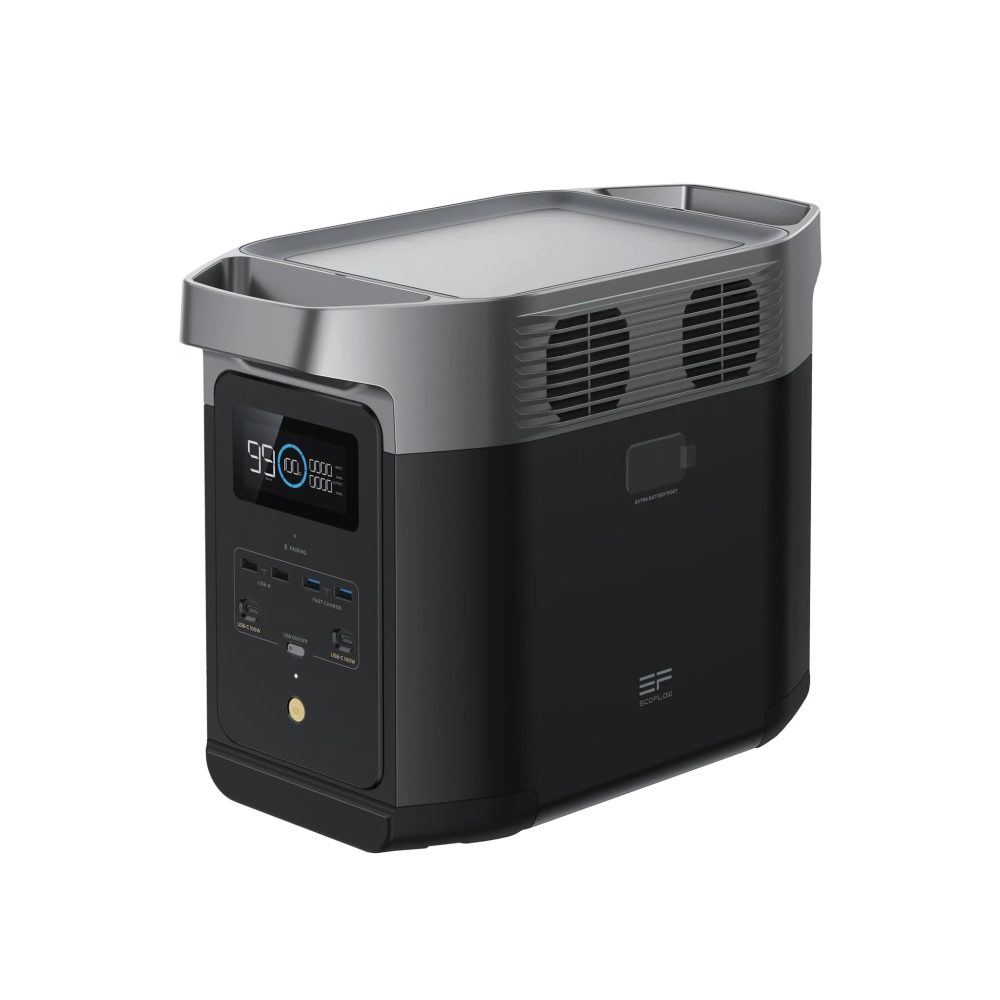
- 1. EcoFlow Delta 2 — best overall for most homes
- 2. Bluetti Apex 300 — best for extended outages
- 3. EcoFlow River 3 Plus — best portable / budget
- 4. Anker Solix F3800 — best maximum power
- 5. Jackery Explorer 300 Plus — best compact for light backup
- Buying advice: size it to your loads
- FAQ
- The bottom line
The right solar generator for a blackout depends on what you need to keep running. Based on published specs, current pricing, and real outage math, here are the five best picks for 2026 — from a $279 portable to a 6,000W whole-home unit.
What actually matters in an outage
A "solar generator" is just a portable power station (a big LiFePO4 battery with an inverter) plus the option to recharge it from solar panels. For power outages, three numbers decide everything: capacity (watt-hours — how long it runs), output (watts — what it can start and run), and recharge speed (how fast it refills from the wall or sun between outages). Everything else — apps, displays, extra ports — is secondary. The five picks below are ranked for real blackout scenarios, based on manufacturers' published specifications and October 2026 pricing.
Know your outage risk first. Before sizing backup power, check how often outages hit your area — our sister site HomeRiskMap has a full power-outage survival guide, and you can look up natural-hazard risk by state.
How we picked: this is a research-based guide. Every spec comes from official manufacturer documentation, prices reflect October 2026 US data, and runtimes use straightforward watt-hour math. We did not bench-test these units.
Our top picks at a glance
| Pick | Capacity | Output | Best for | Price (Oct 2026) |
|---|---|---|---|---|
| EcoFlow Delta 2 | 1024Wh | 1800W | Best overall for most homes | ~$350–$600 on sale |
| Bluetti Apex 300 | 2764.8Wh | 3840W | Best for extended outages | ~$1,599 |
| EcoFlow River 3 Plus | 286Wh | 600W | Best portable / budget | ~$279 |
| Anker Solix F3800 | 3840Wh | 6000W | Best maximum power | ~$1,980 |
| Jackery Explorer 300 Plus | 288Wh | 300W | Best compact for light backup | Varies (check clearance) |
1. EcoFlow Delta 2 — best overall for most homes
1024Wh · 1800W (2700W surge) · 27 lbs · ~$350–$600 on sale
The Delta 2 remains the sweet spot for typical outages: enough capacity to run a full-size fridge for 7–14 hours, enough output for microwaves and power tools, and the fastest wall recharge in its class (0–80% in ~50 minutes). The 3000-cycle LiFePO4 battery and 5-year warranty make it a buy-it-for-a-decade appliance. It won't run central AC or a well pump for long, but for the 4–24 hour outages most homes actually experience, nothing beats it on value. If the newer Delta 3 is at price parity, take the Delta 3 for its quieter fan and faster charging — otherwise the Delta 2 on sale is the smart money.

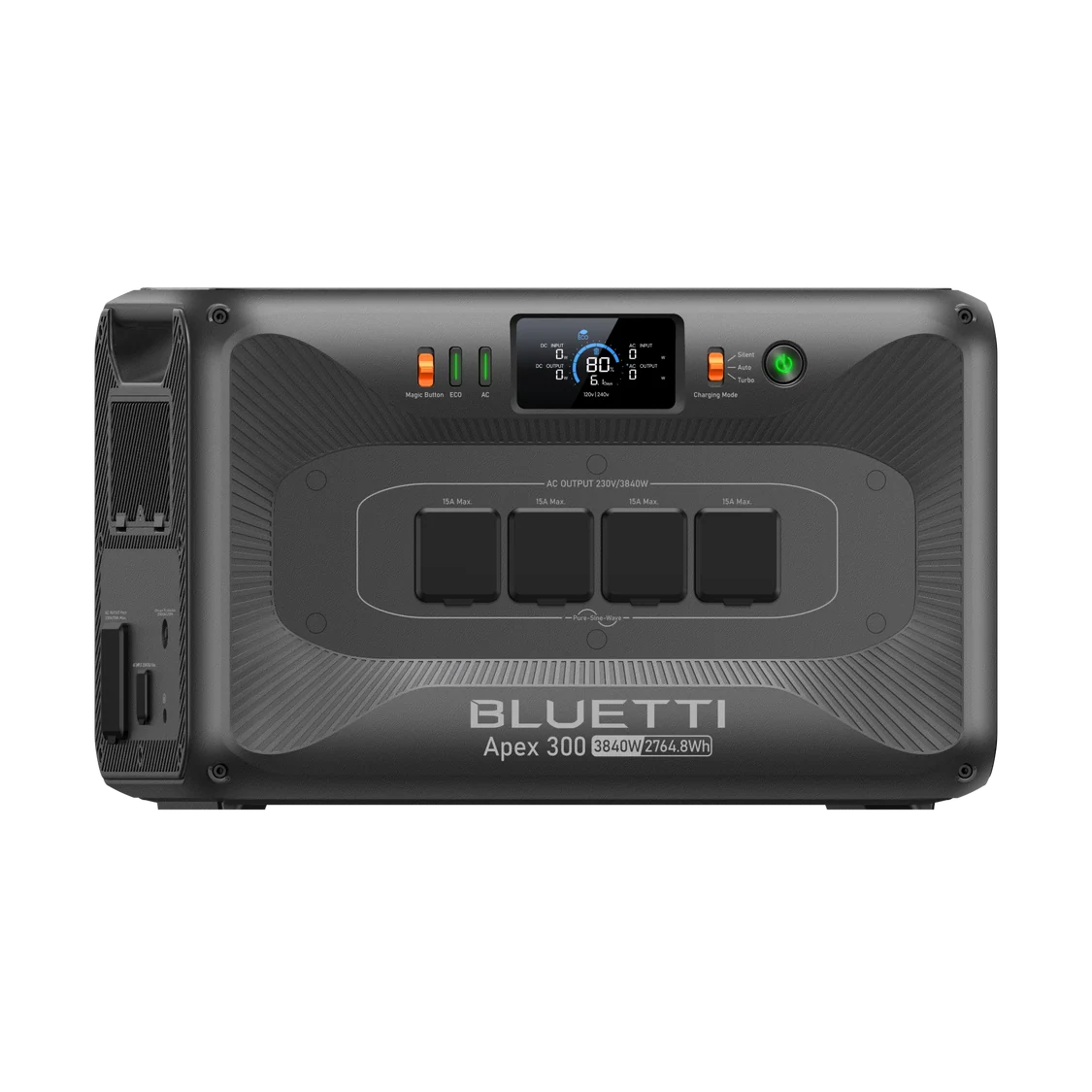
2. Bluetti Apex 300 — best for extended outages
2764.8Wh · 3840W (7680W surge) · 120V/240V · ~$1,599
When the outage stretches into days, the Apex 300 takes over: nearly 3kWh of storage, dual-voltage output that runs well pumps and RVs, 45-minute Turbo recharging, and a 6,000-cycle battery rated for up to 17 years. It expands to ~19.4kWh with add-on batteries and 58kWh in a three-unit parallel setup — a genuine path to whole-home resilience. Heavy at 84 lbs and priced accordingly, but this is the unit for outage-prone regions.
3. EcoFlow River 3 Plus — best portable / budget
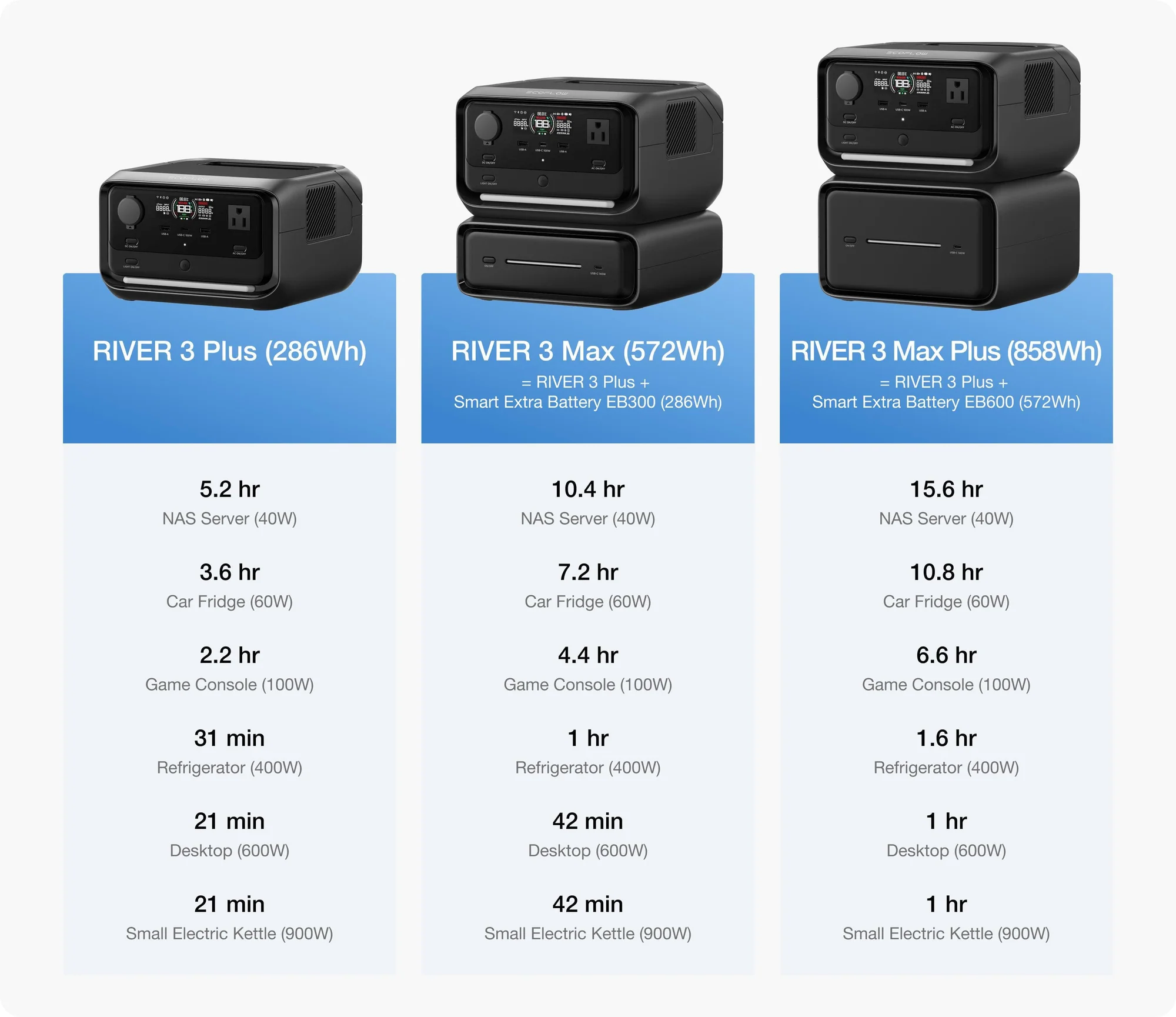
286Wh · 600W (1200W surge) · 10.4 lbs · ~$279
The best cheap insurance against short blackouts: a true <10ms UPS for your router and PC, one-hour recharging, near-silent operation, and a 10.4-lb body you can carry with one hand. It keeps internet, laptops, phones, and lights alive through the 1–3 hour outages that make up the vast majority of blackouts — and it doubles as a camping power station. Just don't expect it to run a fridge.
4. Anker Solix F3800 — best maximum power
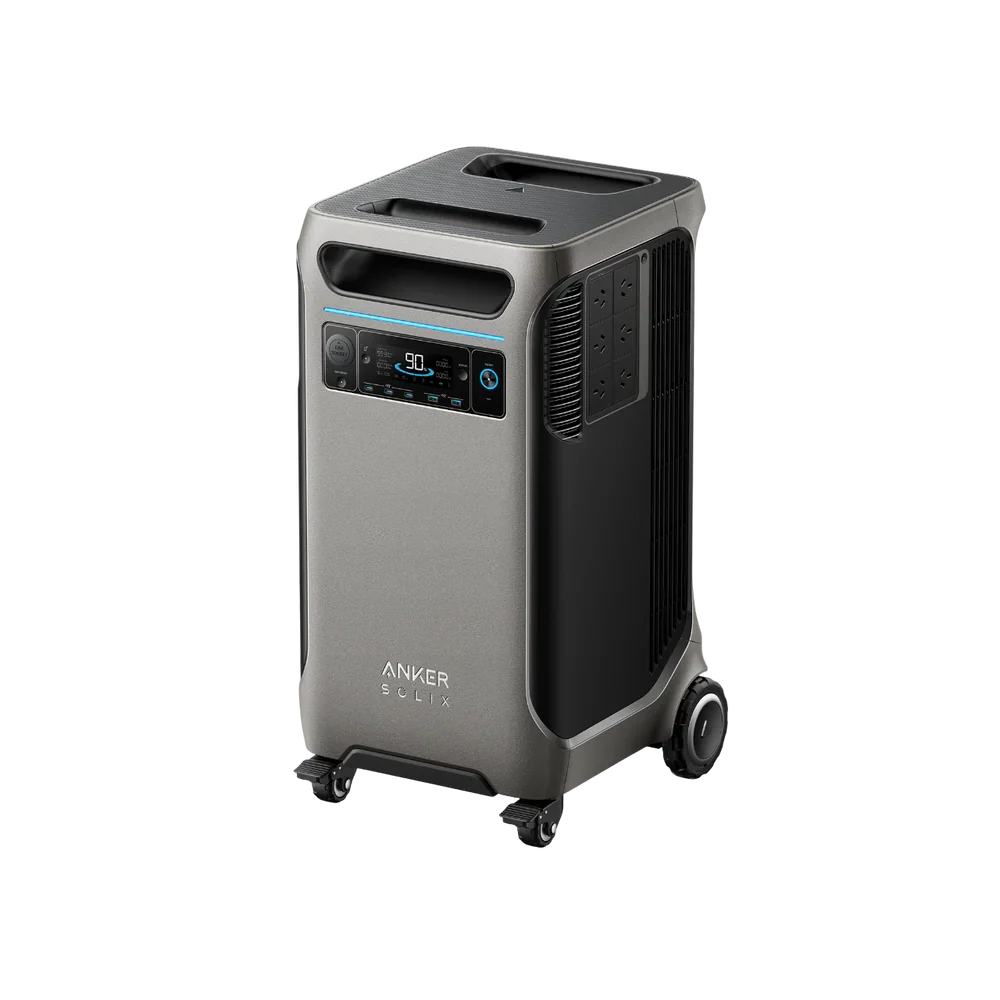
3840Wh · 6000W (9000W surge) · 120V/240V · ~$1,980
The biggest hammer here: 6,000W of split-phase output runs central AC startups, dryers, EV charging, and multiple heavy appliances at once, with 3,840Wh behind it and expansion to 26.88kWh. If your goal is "the house works like normal," this is the unit. Trade-offs: 132 lbs (wheeled, but still), slower 1,800W AC recharging, and 240V output that's unavailable while charging on 120V AC. Price it as a system, not a gadget.
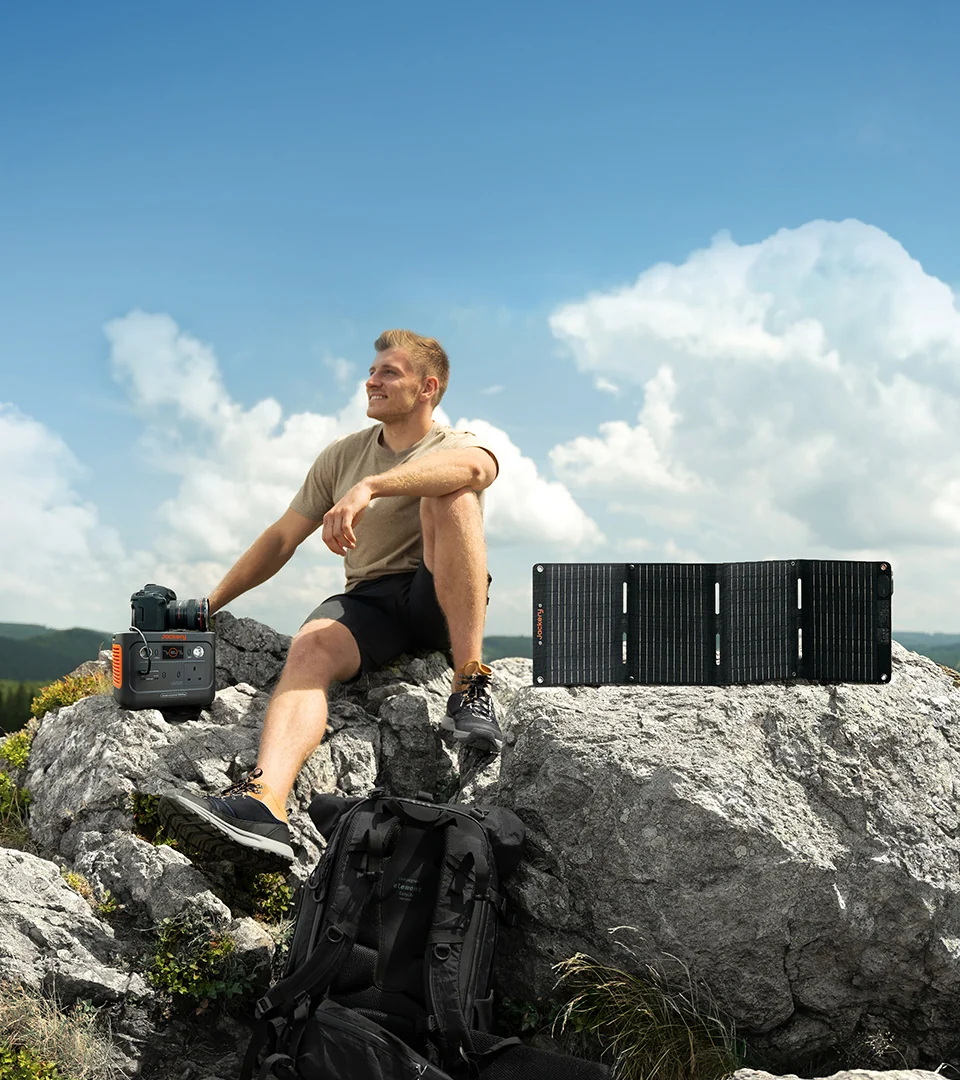
5. Jackery Explorer 300 Plus — best compact for light backup
288Wh · 300W (600W surge) · 8.27 lbs · price varies
The simplest, lightest option: a backpack-friendly 8.27-lb box that keeps phones, laptops, cameras, and a CPAP running through short outages. One AC outlet and 300W of output limit it to small electronics, and Jackery's newer 300 v2 is taking over the lineup — but clearance pricing can make the Plus a genuine bargain for light duty.
Buying advice: size it to your loads
Step 1 — list what must stay on
Add up the running watts of your essentials: fridge (~120W average), Wi-Fi router (~10W), phones (~30W to charge), CPAP (~40W), a few LED lights (~20W). A typical "essentials" bundle is 200–300W.
Step 2 — check the surge, not just the running watts
Motors (fridge compressors, sump pumps, well pumps) draw 2–4× their running watts for a split second at startup. Your station's surge rating must exceed the biggest startup surge — this is the #1 reason undersized units fail in real outages.
Step 3 — do the watt-hour math
Divide capacity by your total watts for a rough runtime: 1024Wh ÷ 250W ≈ 4 hours of continuous essentials (longer in practice, since fridges cycle on and off). For overnight coverage of basics, 1kWh is the practical minimum; for multi-day, look at 2.5kWh+ with solar replenishment.
What to prioritize
- LiFePO4 chemistry — 3,000–6,000 cycles vs ~500–800 for older NMC. Non-negotiable in 2026.
- Solar input wattage — the bigger the better for multi-day outages; 200W+ is the practical floor.
- UPS/EPS switchover — <20ms keeps routers and PCs alive; <10ms is true UPS territory.
- Expandability — add-on batteries let the system grow instead of being replaced.
FAQ
What size solar generator do I need for a power outage?
For essentials (fridge, router, phones, lights) through a typical 4–12 hour outage: 1kWh (e.g., EcoFlow Delta 2). For 1–3 hour outages: ~300Wh is enough. For multi-day outages or well pumps: 2.5kWh+ with solar panels.
Can a solar generator run a refrigerator during an outage?
Yes, if it's big enough. A full-size fridge needs ~1800W of surge capacity to start its compressor and ~120W average to run — a 1kWh unit like the Delta 2 handles it for roughly 7–14 hours. Sub-500Wh units generally can't.
How long do solar generators last?
LiFePO4 units are rated for 3,000–6,000 full cycles to 80% capacity — roughly 10–17 years of regular use — far longer than the 500–800 cycles of older lithium chemistries.
Do I need solar panels, or is the battery enough?
The battery alone covers short outages. Panels matter for multi-day outages: even 200–400W of solar can stretch a 1kWh unit indefinitely for light loads by refilling it each day.
Can I use a solar generator indoors?
Yes — unlike gas generators, battery stations produce no fumes or carbon monoxide and are safe indoors. (Gas generators must never run inside.)
The bottom line
Most households should start with the 1kWh class — the EcoFlow Delta 2 is the proven value pick. If your outages last days or you have a well pump, step up to the Bluetti Apex 300. If you just need the internet and phones to survive a short blackout, the EcoFlow River 3 Plus does it for under $300. Size to your loads, respect the surge ratings, and buy LiFePO4 — the rest is detail.
About our reviews
Specs come from published manufacturer data sheets, cross-checked against owner feedback. Figures go stale. Check the current data sheet before you buy. This is not electrical or purchasing advice.
Related guides
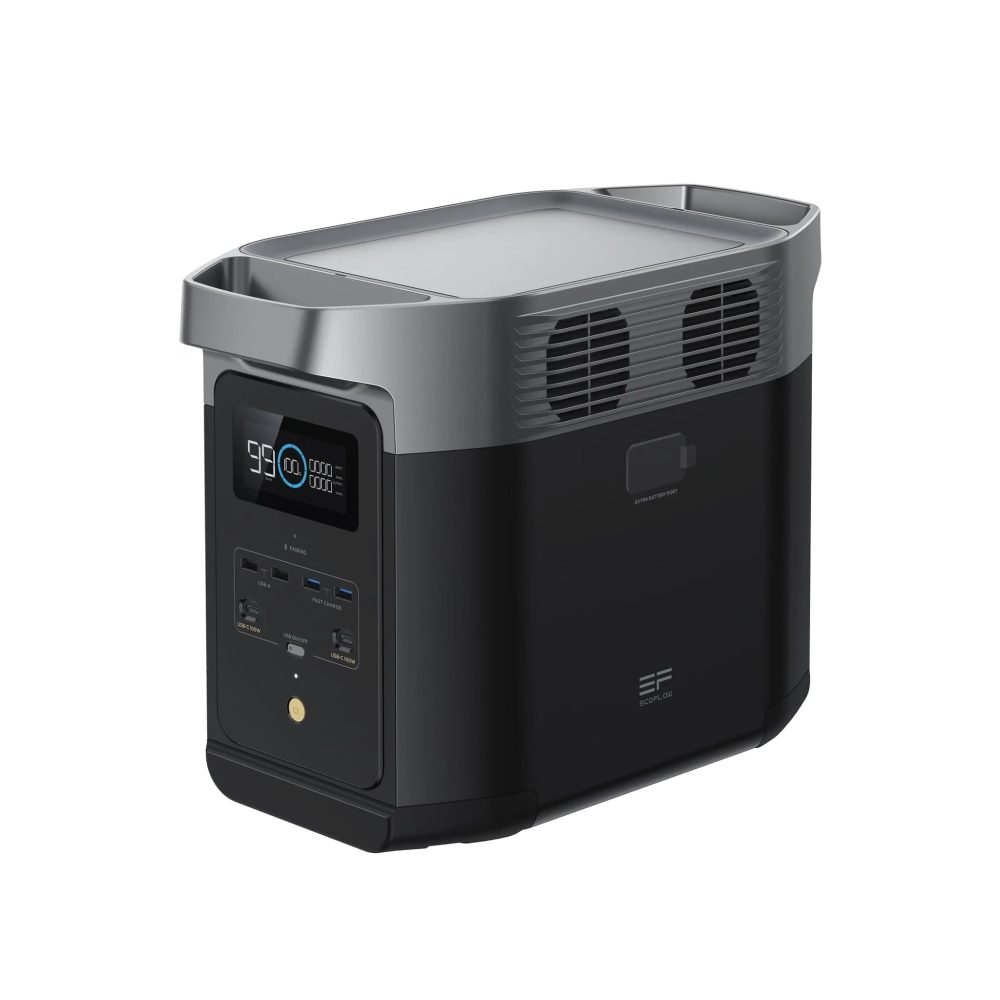 Buying guidesEcoFlow vs Jackery vs Bluetti: Which Brand to Buy in 2026?EcoFlow, Jackery, and Bluetti sell roughly 70% of all portable power stations — but they are not interchangeable. This…
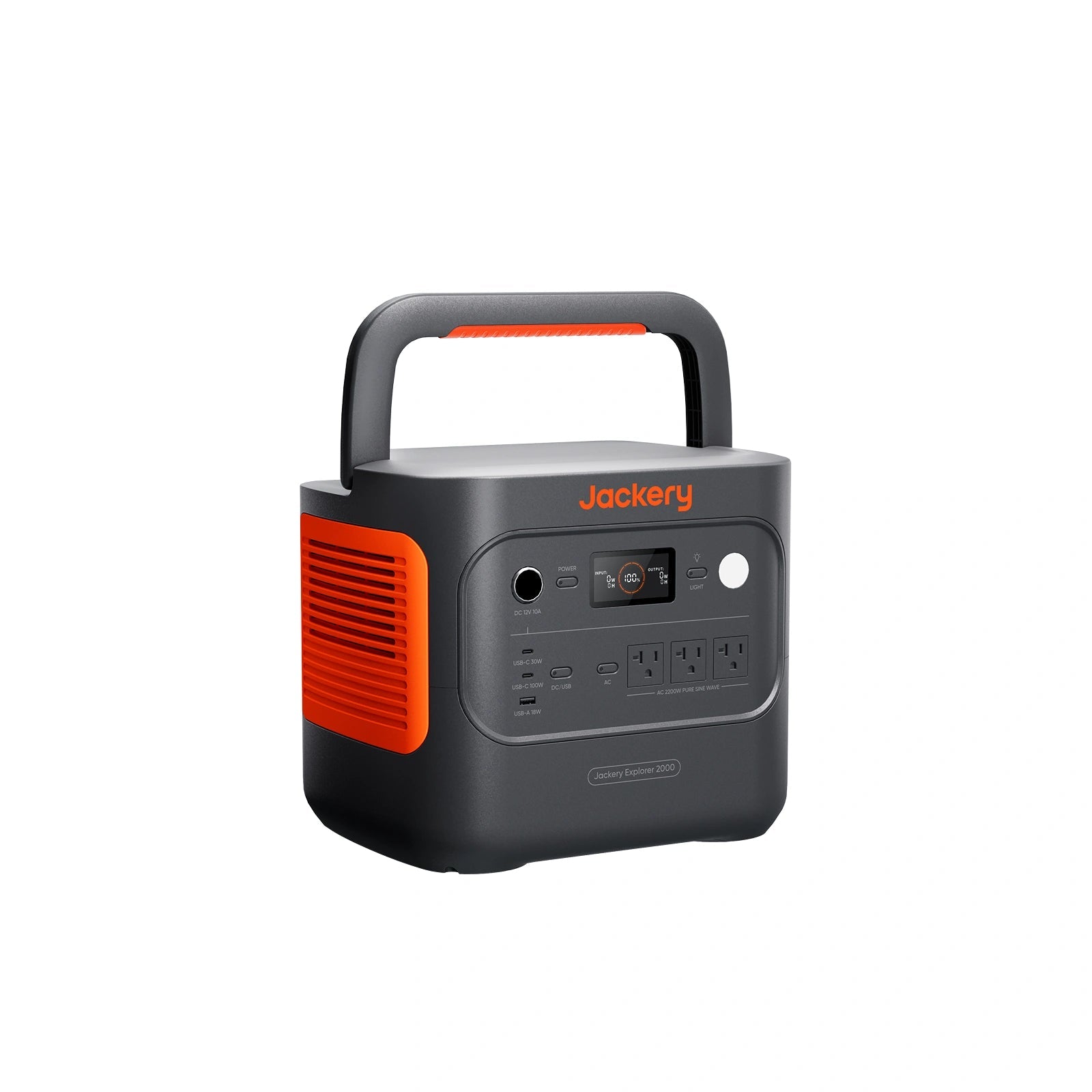 Buying guidesBest Portable Power Stations for Camping in 2026The best camping power stations of 2026, ranked by research: Jackery Explorer 2000 v2, Anker Solix C1000, Bluetti Elite 200 V2,…
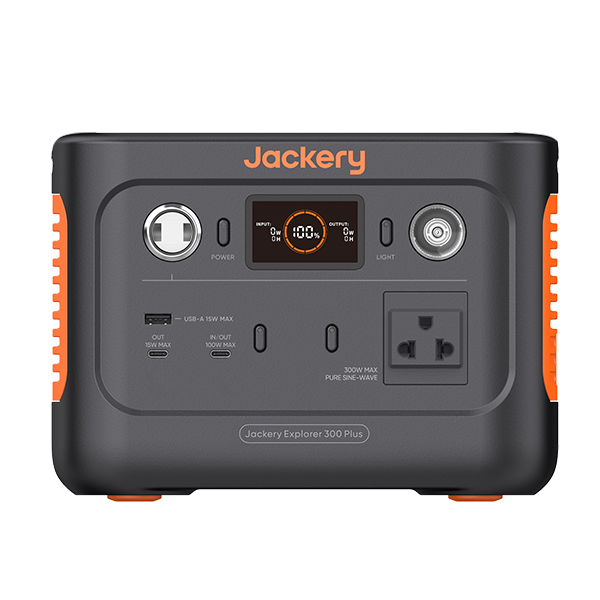 Buying guidesBest Portable Power Stations for CPAP Machines in 2026A CPAP needs 20–60W all night — but the heated humidifier can triple that. These four LiFePO4 power stations run a CPAP…