Best Whole-Home Battery Backup Systems in 2026
8 min read
On this page
- The short version
- How we picked (research-based)
- 1. Tesla Powerwall 3 — the default choice
- 2. EcoFlow Delta Pro Ultra — the scalable DIY-friendly giant
- 3. Anker Solix X1 — the start-small modular system
- 4. Bluetti EP900 — the permanent-install workhorse
- Comparison table
- Partial-home vs. whole-home: what do you actually need?
- What to avoid
- FAQ
- Verdict
Whole-home battery backup has moved from luxury to mainstream: 13.5kWh wall batteries now run most houses through an outage. We compare the four systems that matter in 2026 — Tesla Powerwall 3, EcoFlow Delta Pro Ultra, Anker Solix X1,…
The short version
The Tesla Powerwall 3 remains the default answer for whole-home backup: 13.5kWh of storage, 11.5kW of continuous power (enough to start central AC), and a built-in solar inverter, professionally installed for roughly $14,500–$18,500. Want something you can scale bigger, or buy without an installer queue? The EcoFlow Delta Pro Ultra (6kWh–90kWh, 7200W) is the most flexible DIY-friendly path to whole-home backup, the Anker Solix X1 is the modular start-small option, and the Bluetti EP900 brings 9kW of output with a 10-year warranty for permanent installs. The right system depends on whether you're pairing with new solar, retrofitting, or going off-grid.
This is a research-based guide: every spec below comes from the manufacturers' official documentation, and cost figures come from installer-published 2026 data. We did not bench-test these systems.

How we picked (research-based)
We compared professionally installed and prosumer whole-home systems against what homeowners actually need:
- Power output (kW), not just capacity (kWh): 13.5kWh is useless if the inverter can't start your air conditioner. We note continuous output and motor-start ratings.
- Scalability: can the system grow from partial-home to whole-home without replacing the inverter?
- Solar integration: built-in hybrid inverter (new solar) vs. AC-coupled (retrofit to existing solar).
- Switchover: seamless UPS-grade backup vs. seconds-long gaps.
- Warranty and chemistry: all four picks use LiFePO4 with 10-year (or 5-year) warranties.
- Real 2026 costs: installed prices from US installer data, not MSRP fantasy.
1. Tesla Powerwall 3 — the default choice
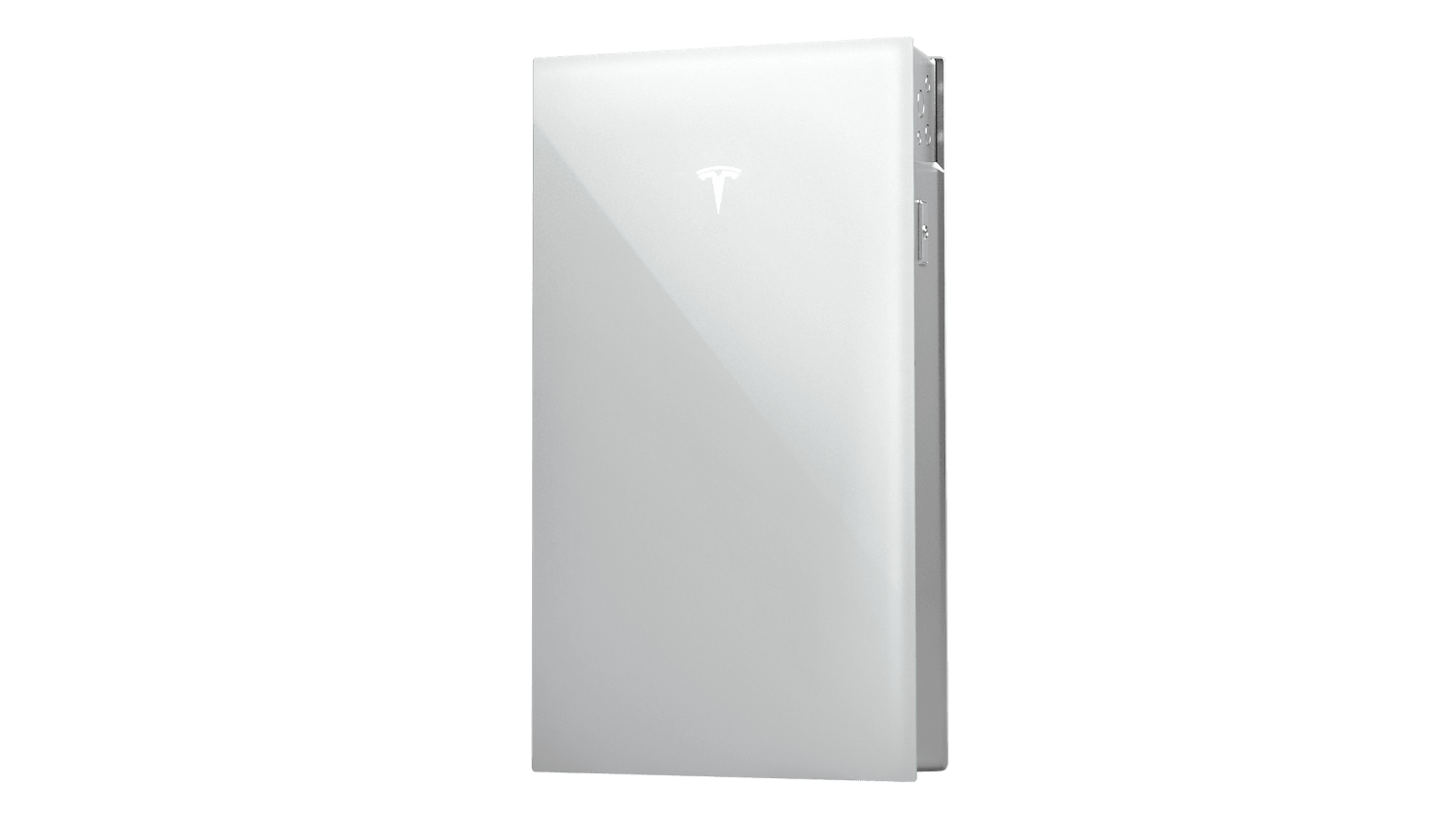
The Powerwall 3 is the best-selling home battery in America for a reason: it nails the "one box does everything" formula. Each unit packs 13.5kWh of usable LiFePO4 storage with 11.5kW of continuous AC output — nearly double the Powerwall 2's 5kW — and it's rated to start motors up to 185 LRA, which covers most central air conditioners. The built-in solar inverter (up to 20kW of solar input, 6 MPPTs) means new solar installs skip a separate inverter entirely, saving $1,500–$3,000 in equipment. Round-trip efficiency is a strong 89%, and the 10-year warranty is the industry benchmark.
The catch: it's an installer-only product — you buy through Tesla or a certified installer, and single-unit installs run $14,500–$18,500 in 2026 per installer-published data. And note the tax-credit cliff: the 30% federal residential solar credit expired December 31, 2025, so 2026 buyers get no federal credit on the battery. If you're installing new solar + storage together, nothing beats it. If you already have solar with its own inverter, an AC-coupled alternative may retrofit more cleanly.
Verified specs: 13.5kWh usable | 11.5kW continuous (15.4kW peak off-grid per Tesla) | 185 LRA motor start | built-in solar inverter (20kW DC) | 97.5% solar-to-home efficiency | 287 lbs | 10-year warranty. Source: tesla.com official support specs.
2. EcoFlow Delta Pro Ultra — the scalable DIY-friendly giant
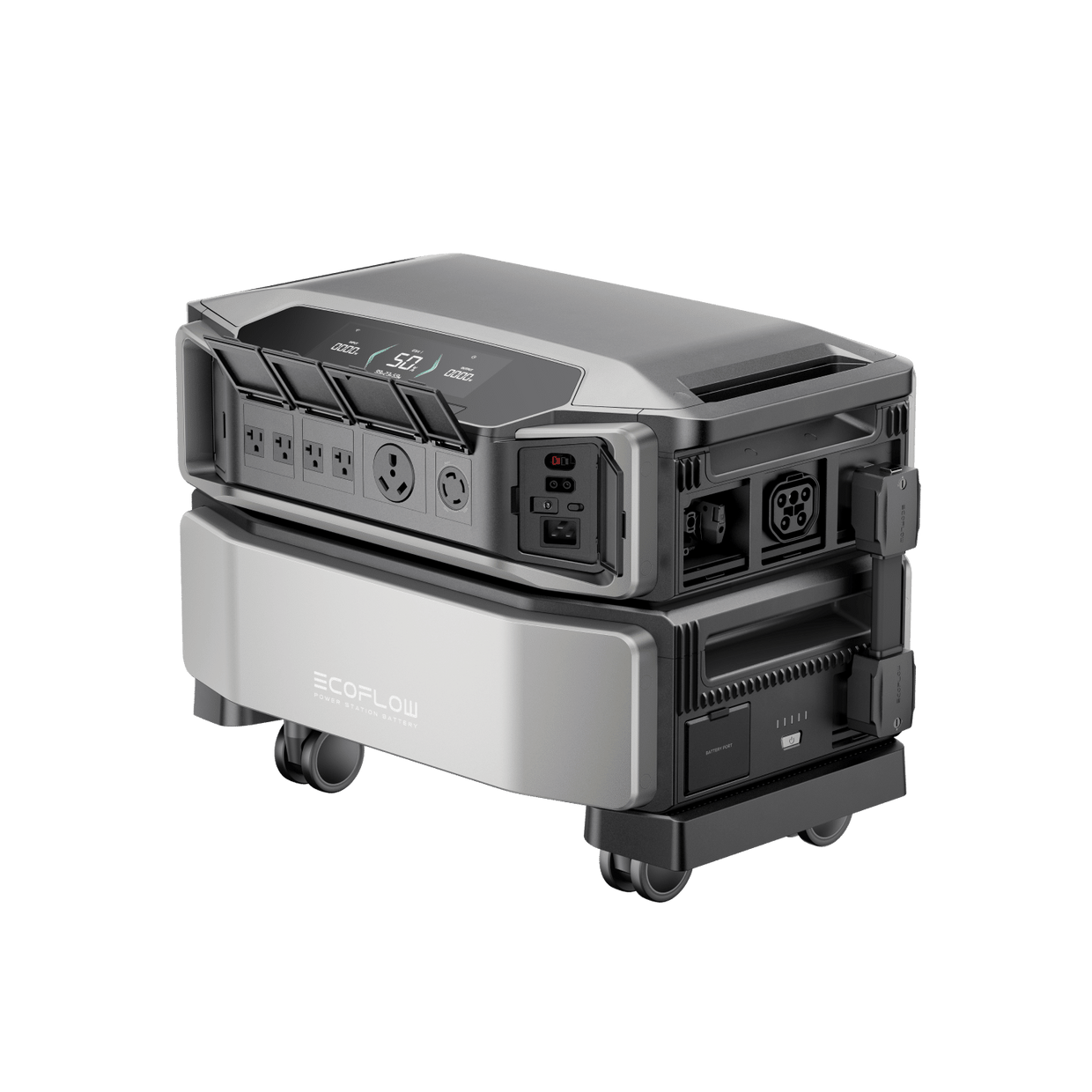
The Delta Pro Ultra is the bridge between portable power stations and permanent home batteries. One inverter + battery stack starts at 6144Wh and 7200W of 120/240V output, and you can stack up to five batteries per inverter (30kWh) — or three inverters with fifteen batteries for a staggering 90kWh. The 5600W of solar input is the highest here, and EcoFlow's Smart Home Panel 2 (installed by an electrician, handles up to 12 circuits) gives automatic whole-home switchover in about 20 ms.
Owner and reviewer feedback consistently flags two things: it's genuinely portable-adjacent (70-lb inverter + 112-lb battery on a trolley) so renters and future movers keep their investment, but the whole-home integration is a real project — one documented install took ~9 hours of electrician labor. The 5-year warranty is also shorter than the 10 years the others offer. Street pricing has been aggressive: recent sales put a single inverter+battery around $5,100. For off-grid cabins and big backup needs without a full solar-installer contract, it's unmatched.
Verified specs: 6144Wh LFP per battery | 7200W continuous 120/240V | up to 30kWh per stack (90kWh max system) | 5600W solar input | 5-year warranty. Source: ecoflow.com.
3. Anker Solix X1 — the start-small modular system
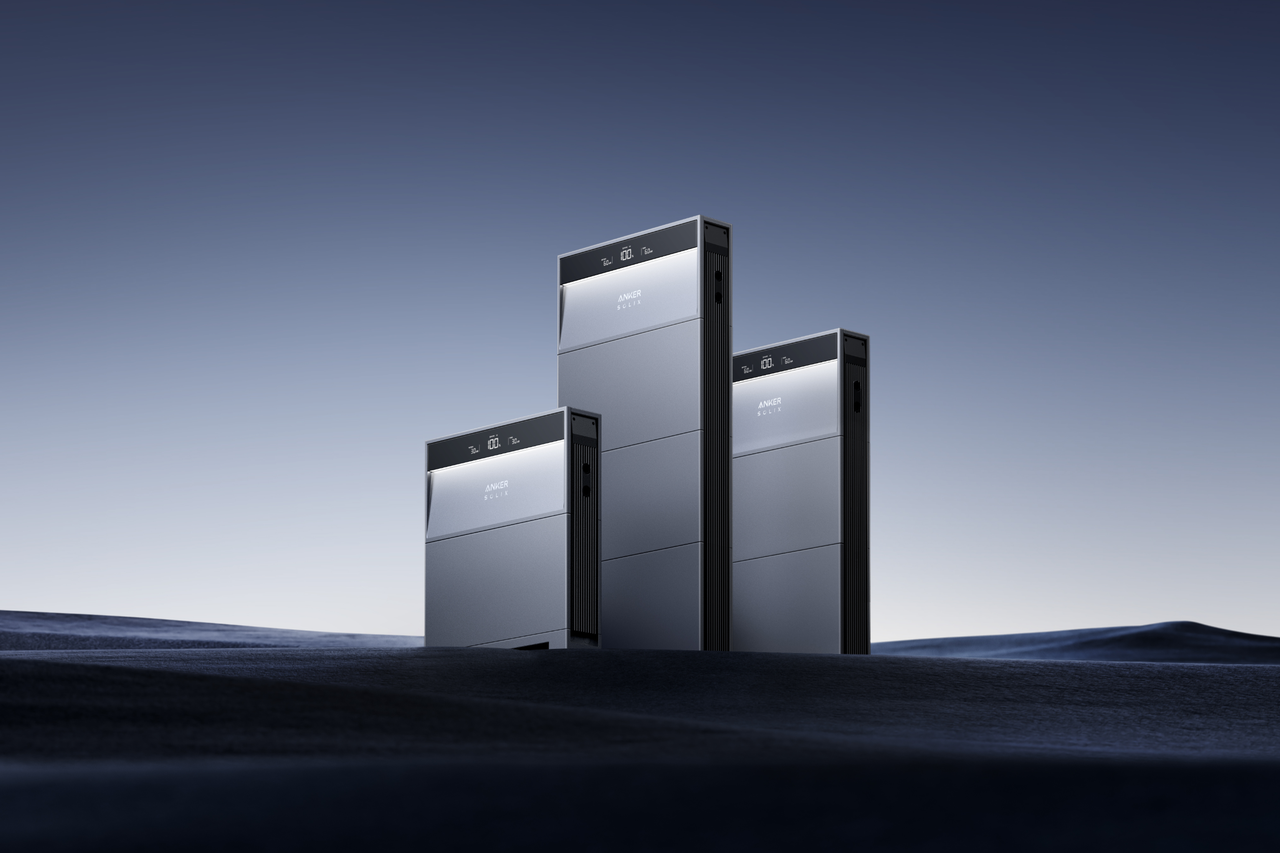
The X1's pitch is precision: 5kWh battery modules that stack under a single power module, from 5kWh up to 30kWh per unit (and up to 180kWh with parallel units), each module with its own energy optimizer so mixed-age packs don't drag each other down. The power module delivers 6kW continuous — less than a Powerwall 3, which matters for big-motor starts — but the slim 5.9-inch-deep wall-mount body, IP66 weatherproofing, and sub-10 ms backup switchover make it a clean fit for retrofits where space is tight.
Choose the hybrid version (it can charge from solar during an outage; the AC-coupled version can't). Reviewer consensus: excellent design and genuinely modular economics — you don't overbuy capacity on day one — but 6kW per unit means larger homes should budget for a second power module or accept critical-loads-only backup. The 10-year warranty covers batteries and inverter. Hardware for a 15kWh configuration has been listed around $11,000 before installation.
Verified specs: 5–30kWh per unit (5kWh LFP modules) | 6kW continuous per unit | 10-year warranty | IP66 | <10 ms switchover. Source: ankersolix.com and installer-published data.
4. Bluetti EP900 — the permanent-install workhorse
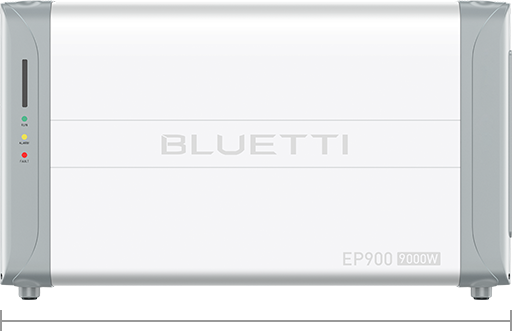
The EP900 is a grid-tied beast: 9kW of continuous 120/240V output, up to 9000W of solar input across dual MPPTs, and 2–4 B500 battery packs for 9.9–19.8kWh of LiFePO4 storage — all with a 10-year warranty and IP65 outdoor rating. It does proper grid interconnection: on/off-grid switchover under 10 ms, anti-islanding protection, and peak-load shifting so you can charge on cheap overnight power and discharge through expensive 4–9 pm peaks. Reviewers comparing it head-to-head with the Delta Pro Ultra give Bluetti the edge on solar input and warranty length, EcoFlow the edge on maximum capacity and portability.
The trade-offs: it's installer-only, it's not portable in any sense, and US availability has been spotty (listed around $10,300 on bluettipower.com, currently out of stock as of Oct 2026). For a homeowner who wants a permanent, high-power, high-solar home battery with a decade of warranty — especially with heavy daytime solar — the EP900 is the strongest spec sheet of the four.
Verified specs: 9kW continuous 120/240V | 9.9–19.8kWh (2–4 × B500 LFP) | 9000W max solar | 10-year warranty | IP65 | <10 ms switchover. Source: bluettipower.com.
Comparison table
| Powerwall 3 | Delta Pro Ultra | Solix X1 | EP900 | |
|---|---|---|---|---|
| Usable capacity | 13.5kWh (per unit) | 6.1kWh → 90kWh | 5kWh → 180kWh | 9.9kWh → 19.8kWh |
| Continuous output | 11.5kW | 7.2kW (per inverter) | 6kW (per unit) | 9kW |
| Max solar input | 20kW DC | 5.6kW | Varies by config | 9kW |
| Install model | Certified installer | DIY + electrician panel | Certified installer | Certified installer |
| Warranty | 10 years | 5 years | 10 years | 10 years |
| Indicative cost | $14.5–18.5k installed | ~$5.1k per stack on sale | ~$11k hardware (15kWh) | ~$10.3k (often OOS) |
Partial-home vs. whole-home: what do you actually need?
Whole-home backup sounds great until you price it. A typical US home uses 25–35kWh per day and can spike to 8–12kW when the AC, dryer, and oven coincide. One Powerwall 3 (13.5kWh / 11.5kW) covers most homes' power needs but only half a day of energy without solar recharging. The honest questions:
- Do you have, or are you adding, solar? Solar turns a one-day battery into a multi-day system. The Powerwall 3 and EP900 shine here.
- What's your critical load list? Fridge + freezer + well pump + internet + a few lights is often under 2kW continuous — a fraction of a whole-home system. A smaller system + a critical-loads panel costs far less.
- How long are your outages? Hours (storms) vs. days (wildfire shutoffs, hurricanes) changes the kWh math completely. See our sizing worksheet.
What to avoid
- Buying kWh without kW. A big battery with a small inverter won't start your AC or well pump. Check continuous output and LRA ratings first.
- Assuming the federal tax credit still applies. The 30% residential credit expired at the end of 2025 — 2026 purchases don't get it. Check state/local incentives instead.
- Undersizing the solar. A battery without enough solar to refill it is a one-shot device. Match daily solar harvest to your daily critical loads.
- Skipping the electrician quote. Panel upgrades, conduit runs, and permits can add thousands. Get the installed quote, not just the hardware price.
FAQ
How much does a whole-home battery backup cost in 2026?
A single Tesla Powerwall 3 runs $14,500–$18,500 installed; two units (the common whole-home configuration) run $24,000–$30,000. Modular systems vary: an EcoFlow Delta Pro Ultra stack starts around $5,100 on sale plus electrician costs for panel integration, while Bluetti EP900 and Anker Solix X1 hardware land in the $10,000–$12,000 range before installation.
Can one Powerwall 3 run a whole house?
For most homes, yes on power (11.5kW continuous, 185 LRA motor start covers central AC) — but 13.5kWh is roughly half a day of typical household energy. Pair it with solar, add a second unit or an Expansion pack, or accept that heavy loads get managed during long outages.
Do home batteries work without solar?
Yes — they charge from the grid and provide outage backup plus time-of-use bill savings (charge cheap overnight, discharge during expensive peaks). But without solar, a battery can't recharge during a multi-day outage. Solar is what turns backup into resilience.
How long do home batteries last?
LiFePO4 home batteries are warrantied for 10 years (Tesla, Anker, Bluetti) with throughput guarantees; real-world lifespan is commonly estimated at 12–15+ years with moderate cycling. The EcoFlow Delta Pro Ultra carries a 5-year warranty — shorter, but its modular design lets you replace components.
Can I install a home battery myself?
The EcoFlow Delta Pro Ultra is the most DIY-friendly (portable stacks + a Smart Home Panel 2 installed by an electrician). Tesla Powerwall 3, Anker Solix X1, and Bluetti EP900 require certified installers — grid interconnection, permits, and utility approval are not DIY jobs.
Verdict
Buy the Tesla Powerwall 3 if you're installing solar anyway and want the most proven, most supported whole-home battery in America. Choose the EcoFlow Delta Pro Ultra if you want maximum scalability, the lowest entry price, and something you can take with you. Pick the Anker Solix X1 for a sleek, modular retrofit you can grow module by module. And consider the Bluetti EP900 if raw power, huge solar input, and a 10-year warranty on a permanent install are the priorities. In every case, get an installed quote — the hardware price is only half the story.
About our reviews
Specs come from published manufacturer data sheets, cross-checked against owner feedback. Figures go stale. Check the current data sheet before you buy. This is not electrical or purchasing advice.
Related guides
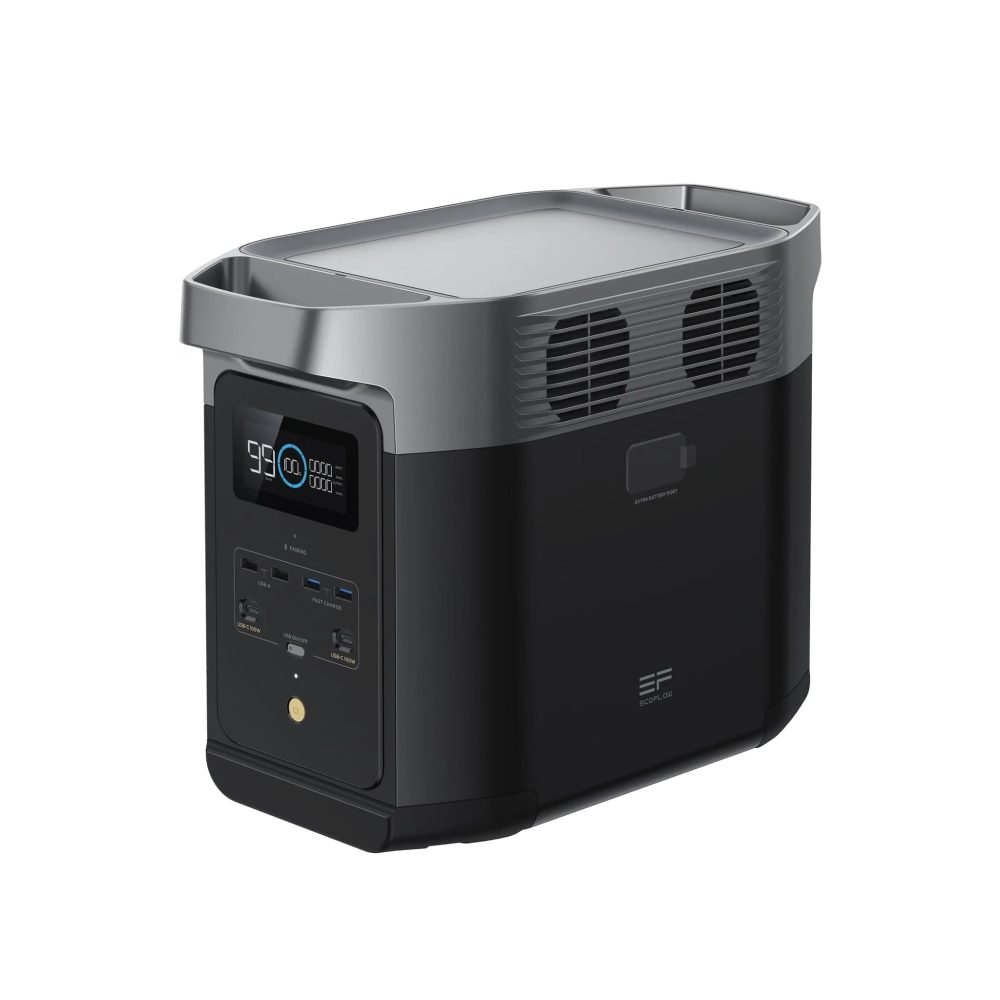 Buying guidesEcoFlow vs Jackery vs Bluetti: Which Brand to Buy in 2026?EcoFlow, Jackery, and Bluetti sell roughly 70% of all portable power stations — but they are not interchangeable. This…
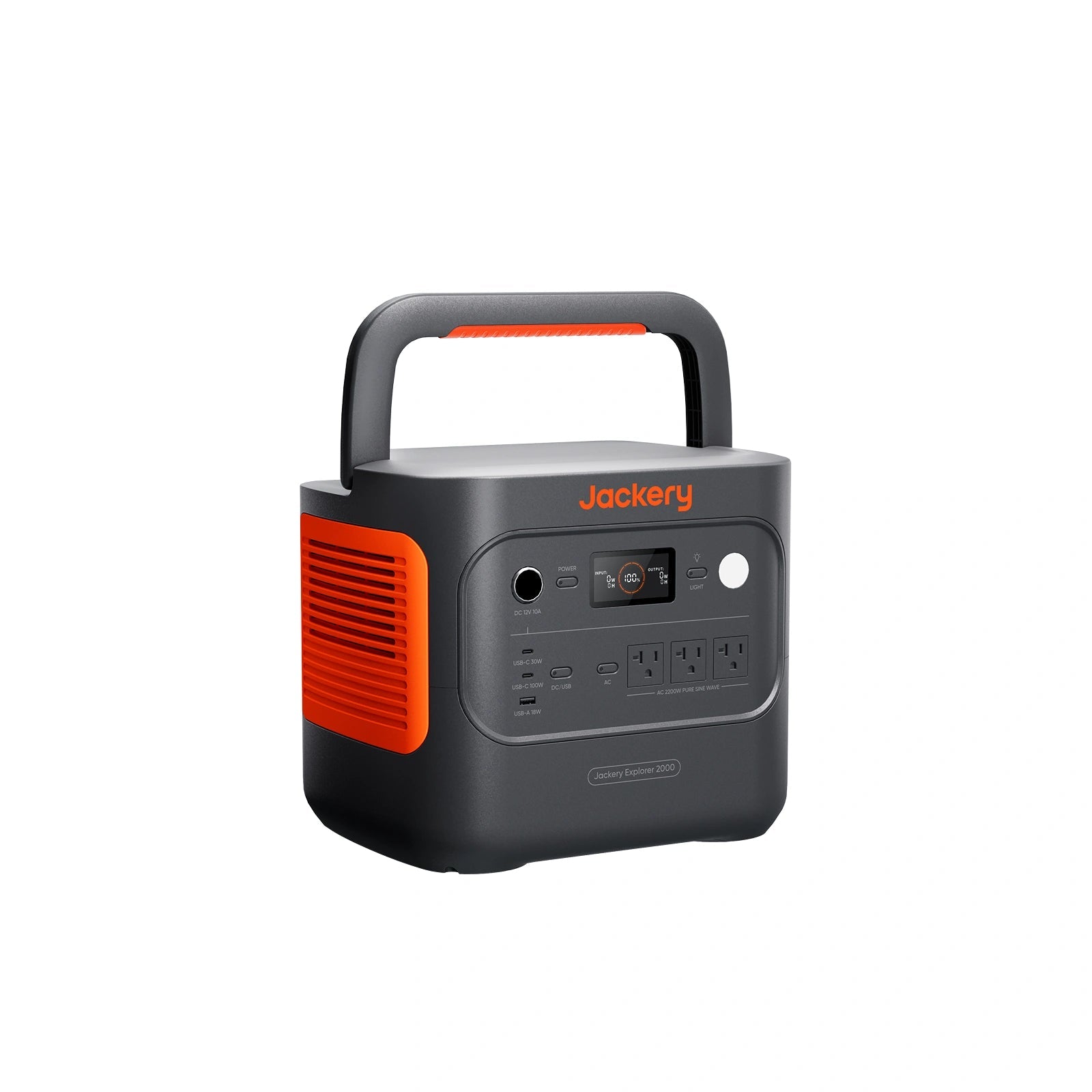 Buying guidesBest Portable Power Stations for Camping in 2026The best camping power stations of 2026, ranked by research: Jackery Explorer 2000 v2, Anker Solix C1000, Bluetti Elite 200 V2,…
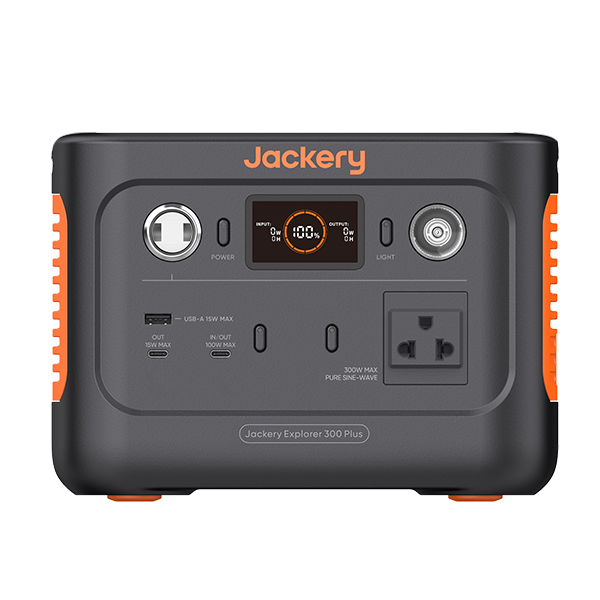 Buying guidesBest Portable Power Stations for CPAP Machines in 2026A CPAP needs 20–60W all night — but the heated humidifier can triple that. These four LiFePO4 power stations run a CPAP…