Anker Solix C1000 Review: The Fastest 1kWh Recharge
6 min read
On this page
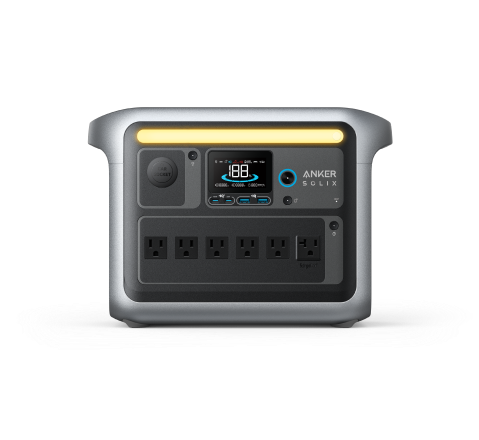
The Anker Solix C1000 combines 1056Wh of LiFePO4 with 1800W of output and HyperFlash charging that refills the battery in 58 minutes — and it's one of the few 1kWh stations you can expand later. Based on published specs, expert reviews,…
The short version
The Anker Solix C1000 is the 1kWh station for buyers who refuse to wait: its 1300W HyperFlash charging refills the 1056Wh LiFePO4 battery in 58 minutes — the fastest full recharge in the class — while the 1800W inverter, 20 ms UPS, and 11 outlets cover every mainstream backup scenario. Unusually for the category, it's expandable to 2112Wh with Anker's B1000 battery, so the capacity can double if your needs grow. At 28.4 lbs it's mid-pack on weight, and the 600W solar input is strong but not class-leading. At 2026 sale prices around $469 against a ~$799 list, it's one of the best-equipped 1kWh stations you can buy — provided you buy the original C1000 and not its newer Gen 2 sibling, which dropped the expansion port.
This is a research-based review: every spec below comes from Anker's official documentation, and the strengths and weaknesses reflect patterns across published expert reviews and verified owner feedback. We did not bench-test this unit.

Anker Solix C1000 key specs (verified)
| Spec | Solix C1000 |
|---|---|
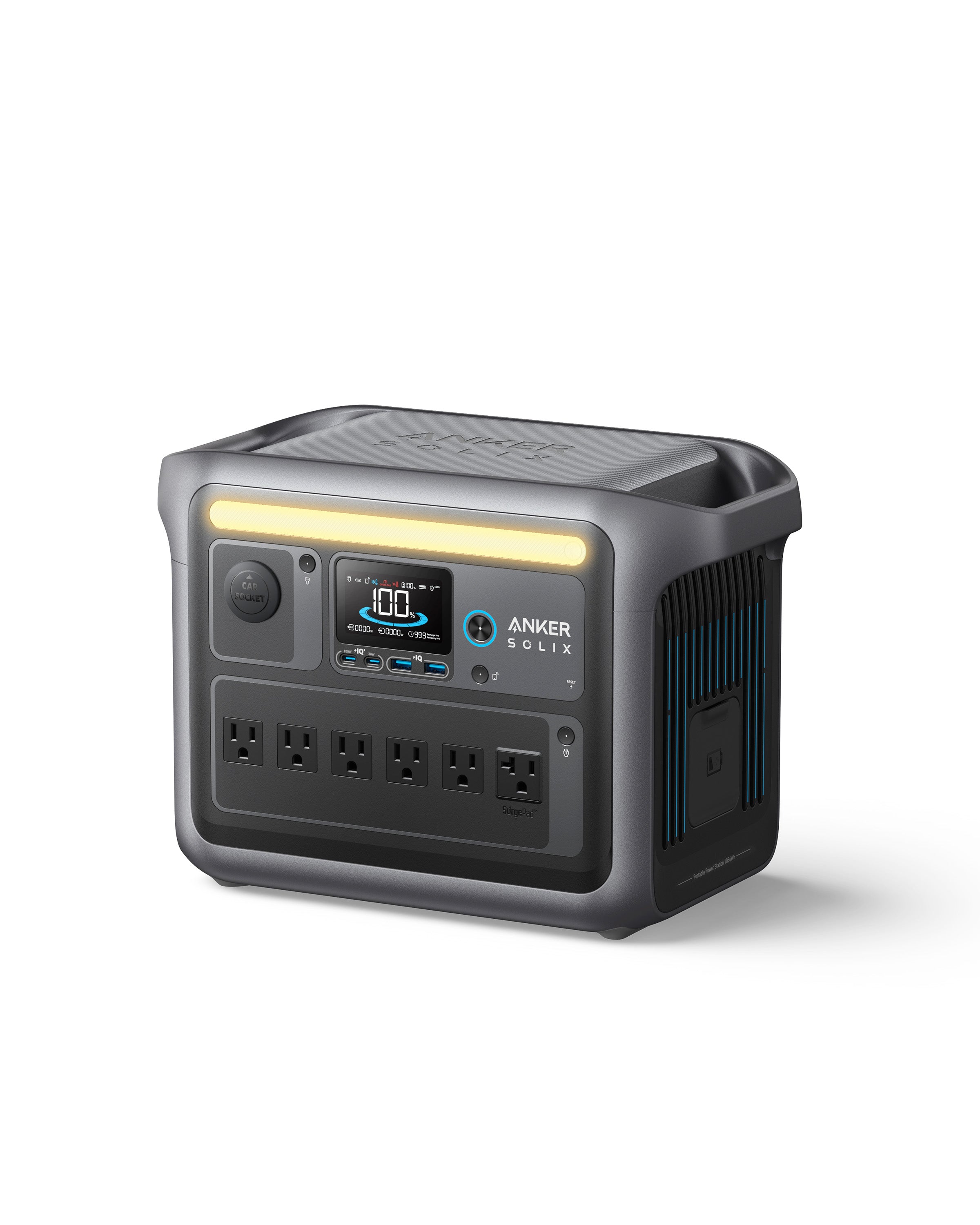
| Capacity | 1056Wh (LiFePO4) |
| AC output | 6 outlets (US), 1800W continuous, 2400W surge |
| Battery chemistry / cycle life | LiFePO4 — 3000+ cycles to 80% capacity |
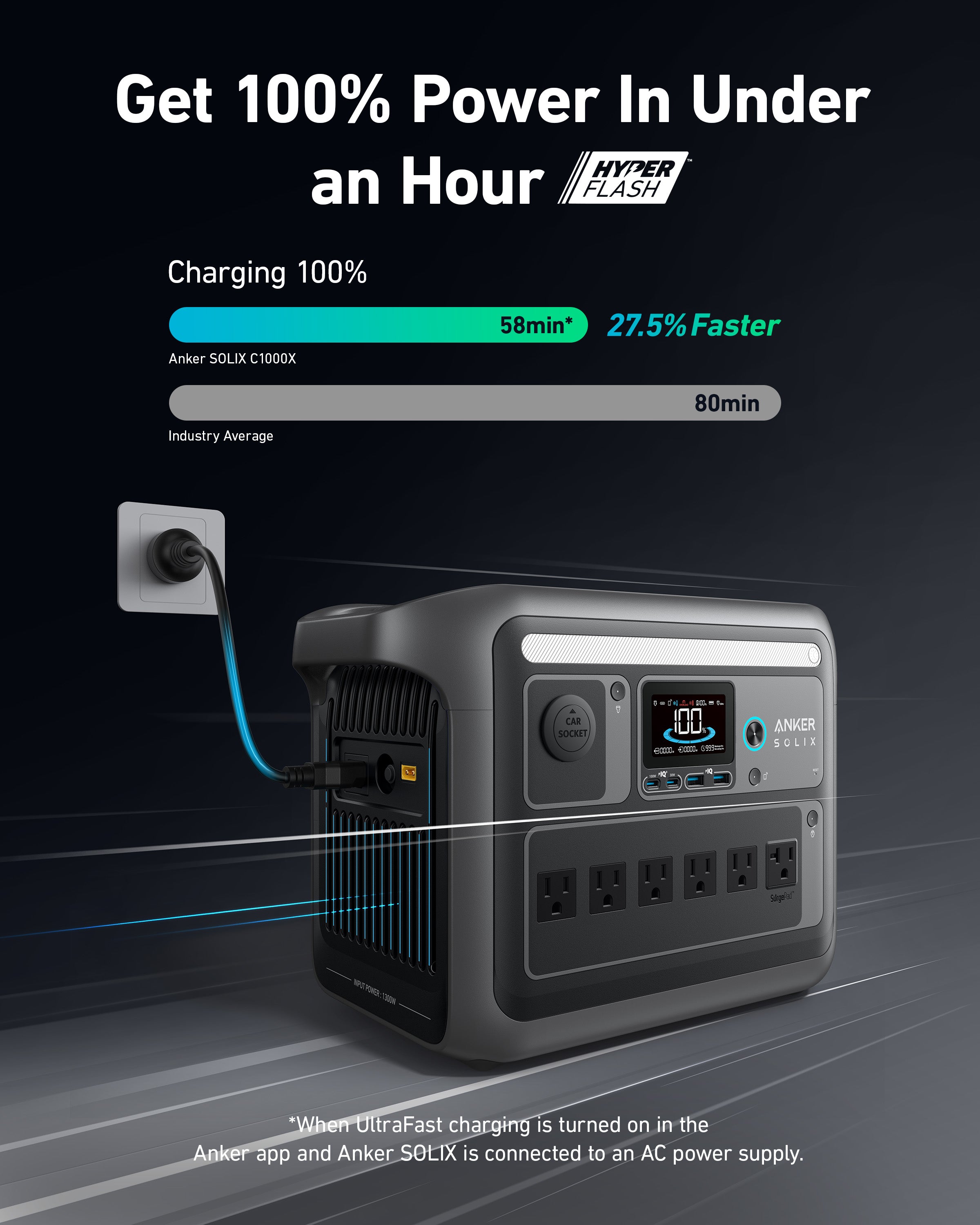
| AC recharge | 1300W HyperFlash: 0–100% in ~58 min; standard 1000W: ~90 min |
| Solar input | 600W max (XT-60, 11–60V) |
| Car charging | 120W car socket (~10.7 hrs) |
| UPS | 20 ms switchover |
| USB ports | 2× USB-C (100W + 30W), 2× USB-A (12W each) |
| Other DC | 1× car port (12V/10A, 120W) |
| Expandable | Yes — to 2112Wh with the Anker SOLIX BP1000 expansion battery |
| Extras | Ambient LED light bar (3 levels + SOS); Wi-Fi + Bluetooth app |
| Weight / dimensions | 28.44 lbs (12.9 kg) / 14.8 × 8.07 × 10.5 in |
| Warranty | 5-year warranty |
Specs sourced from Anker's official SOLIX C1000 product pages and Anker's published C1000 datasheet.
Standout features
1. The fastest full recharge in the class
HyperFlash pushes 1300W from a wall outlet for a 0–100% charge in about 58 minutes — not 80%, full. In a category where "fast charging" often means 80% in an hour, the C1000's full-battery-in-under-an-hour is a genuine standout. The standard 1000W mode (~90 min) is there for gentler everyday charging.
2. Expandable — a rarity at 1kWh
The C1000 is one of the only mainstream 1kWh stations with an expansion battery port: add the BP1000 and capacity doubles to 2112Wh. Note the catch — Anker's newer C1000 Gen 2 removed the expansion port entirely. If future-proofing matters, make sure you're buying the original C1000, not the Gen 2.
3. Six AC outlets and a real app
Six AC outlets (US) is the most in the class — no power strip needed for a full outage setup. The Anker app (Wi-Fi + Bluetooth) is consistently rated among the best in the category: real-time wattage, per-port control, charge-speed adjustment, and scheduled charging.
4. The light bar you'll actually use
The ambient LED bar (three brightness levels plus SOS) turns the C1000 into a lantern during outages and a campsite light after dark. It's a small feature that owners mention disproportionately often — because it's the one you reach for when the power's out and it's dark.
Battery & charging, in detail
Wall charging is the headline act (58 min HyperFlash / 90 min standard), but the 600W solar input is also strong — a full solar refill in about 1.8 hours with 600W of panels in ideal conditions, the second-best solar ceiling in the class after the EcoFlow Delta 3 Plus. Car charging at 120W is slow (~10.7 hrs) and strictly a trickle option. The 20 ms UPS switchover covers desktops, routers, and CPAPs, and pass-through charging lets it work inline indefinitely. One design note: the XT-60 solar input needs Anker's included solar cable — standard MC4 panels require the adapter.
Real-world use cases (with honest capacity math)
The following are watt-hour estimates at ~85% inverter efficiency; Anker's published figures are labeled:
Home backup during an outage
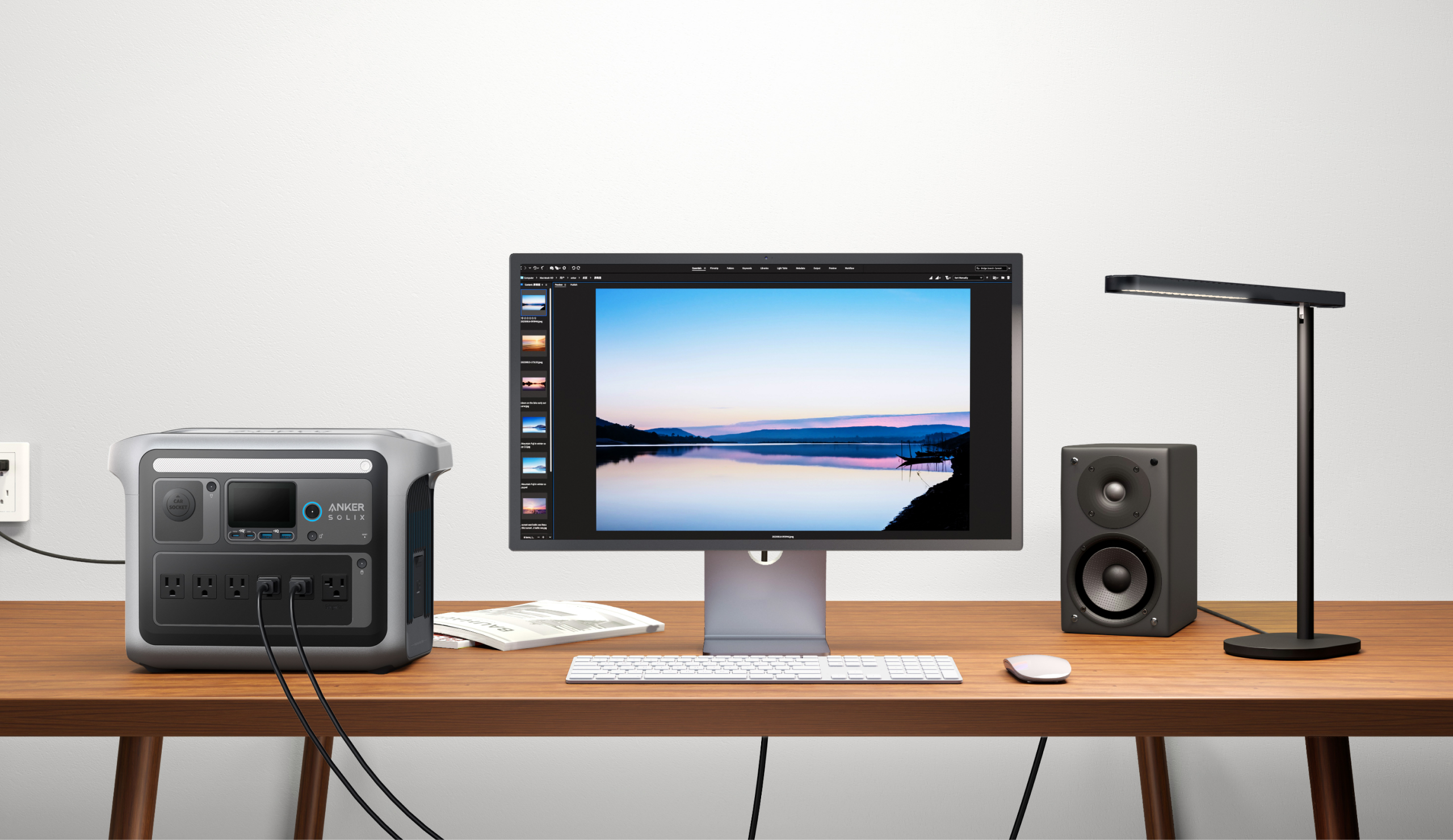
A full-size fridge (~150W cycling) should run roughly 12–15 hours — Anker's own guidance puts a large refrigerator at up to 14 hours. Six AC outlets swallow the whole essentials kit (fridge, router, lamp, chargers, fan) with room to spare, and the 1800W inverter handles microwaves and coffee makers.
CPAP overnight
A 40W CPAP runs an estimated ~21 hours — two-plus nights. The 20 ms UPS mode makes it a credible bedside backup that rides through grid blips silently.
Camping and road trips
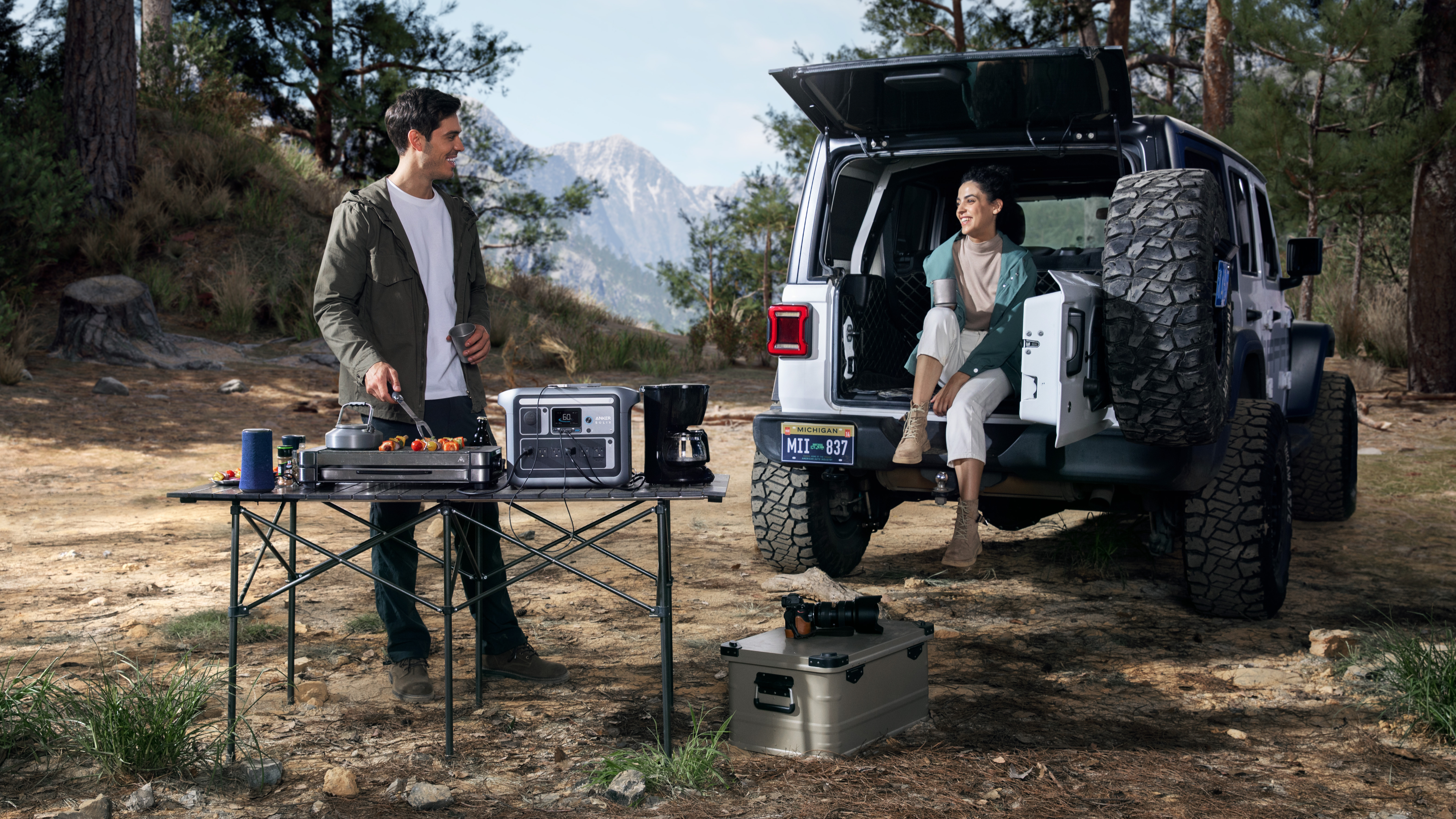
A 12V portable fridge (~60W) runs an estimated 14–18 hours, and the light bar replaces a separate lantern. At 28.4 lbs it's a two-hand carry to the campsite — manageable, not effortless.
What it won't do
1056Wh won't run a space heater (1500W) for more than ~40 minutes, and central AC or well pumps are out of reach. For multi-day outages without solar, even the 2112Wh expanded configuration is a bridge, not a whole-home solution.
What could be better
The consistent criticisms across expert reviews and owner feedback:
- The Gen 2 confusion is real. Anker now sells the C1000 Gen 2 alongside the original — similar name, no expansion port, slightly different specs. Retail listings don't always make the distinction clear. If you want expandability, verify you're buying the original C1000 (model A1761).
- 28.4 lbs is mid-pack, not light. Heavier than the Jackery 1000 v2 (23.8 lbs) and EcoFlow Delta 3 Plus (27.6 lbs). The side handles help, but it's a deliberate carry.
- 3000-cycle rating trails the class leaders. EcoFlow and Jackery now rate 4000 cycles; Anker's 3000 is still ~8 years of daily use, but it's no longer best-in-class.
- Slow car charging. 120W / ~10.7 hours is a trickle — fine for maintenance, useless for a meaningful refill on a drive.
- Premium accessories. The BP1000 expansion battery and Anker's solar panels are priced at a premium, pushing the full system's cost well above the base unit.
Who should buy it
- Buyers who want the fastest recharge — 58 minutes wall-to-full is the class benchmark.
- Anyone who might need more capacity later — the expansion port is the C1000's unique selling point in this group.
- Households with lots of plugged-in gear — six AC outlets plus strong USB coverage.
- App-driven users who want the best-in-class monitoring and control.
Who should skip it
- If absolute lowest weight is the priority, the Jackery Explorer 1000 v2 saves nearly 5 lbs.
- If maximum battery lifespan matters most, the EcoFlow Delta 3 Plus's 4000-cycle rating wins.
- If you're considering the Gen 2: it charges even faster but can't expand — choose based on which trade-off you prefer.
FAQ
How fast does the Anker Solix C1000 charge?
58 minutes from empty to full with HyperFlash (1300W, enabled by default on AC), or about 90 minutes in standard 1000W mode. Solar takes roughly 1.8 hours with 600W of panels in ideal sun.
Can the Anker Solix C1000 power a refrigerator?
Yes — Anker rates a large refrigerator at up to 14 hours. The 1800W inverter starts full-size fridges easily.
Is the Anker Solix C1000 expandable?
The original C1000 is — add the BP1000 expansion battery for 2112Wh total. The newer C1000 Gen 2 is NOT expandable, so check the model before buying.
What's the difference between the C1000 and C1000 Gen 2?
The Gen 2 (1024Wh, 2000W output) charges even faster (49 min at 1600W) but drops the expansion battery port and the ambient light bar stays. The original C1000 (1056Wh, 1800W) keeps the expansion port. Pick speed (Gen 2) or future capacity (original).
What is the Anker Solix C1000 warranty?
5 years, per Anker.
Verdict
The original Solix C1000 remains one of the most complete 1kWh stations you can buy: the fastest full recharge in the class, 1800W of output, six AC outlets, a genuinely good app, and — uniquely here — an expansion path to 2112Wh. The Gen 2's arrival complicates the buying decision, so verify the model number (A1761) if expandability matters to you. At 2026 sale prices around $469 against a ~$799 list, it's a feature-rich pick for buyers who want speed today and room to grow tomorrow.
Pricing note: the original C1000 is heavily discounted as the Gen 2 takes over shelf space — observed around $469 during October 2026 sales against a ~$799 list. Check the current price and confirm you're buying the original (expandable) version.
About our reviews
Specs come from published manufacturer data sheets, cross-checked against owner feedback. Figures go stale. Check the current data sheet before you buy. This is not electrical or purchasing advice.
Related guides
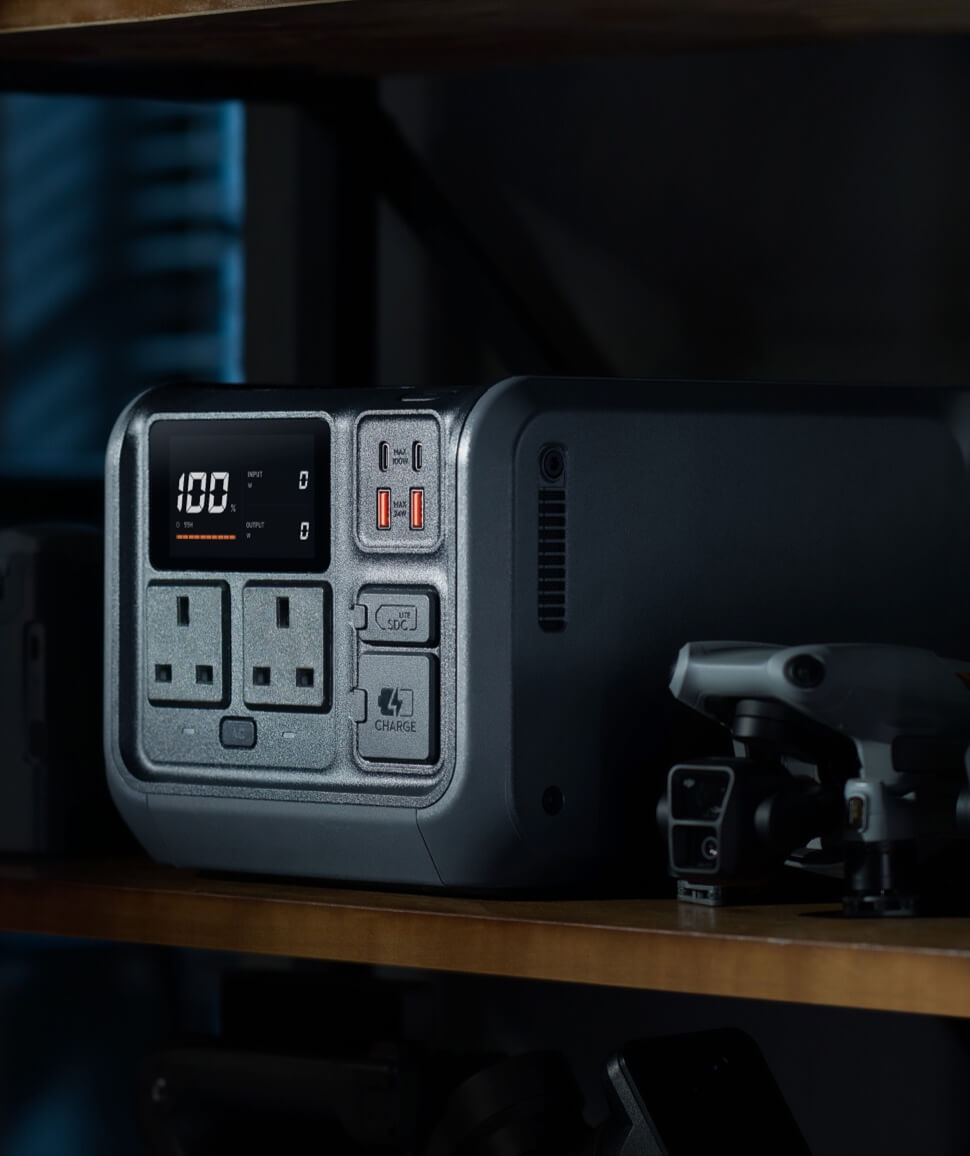 ReviewsDJI Power 500 Review: The Drone Pilot's 512Wh StationThe DJI Power 500 packs 512Wh of LFP storage with 1000W of continuous output, a full recharge in 70 minutes, and DJI's SDC…
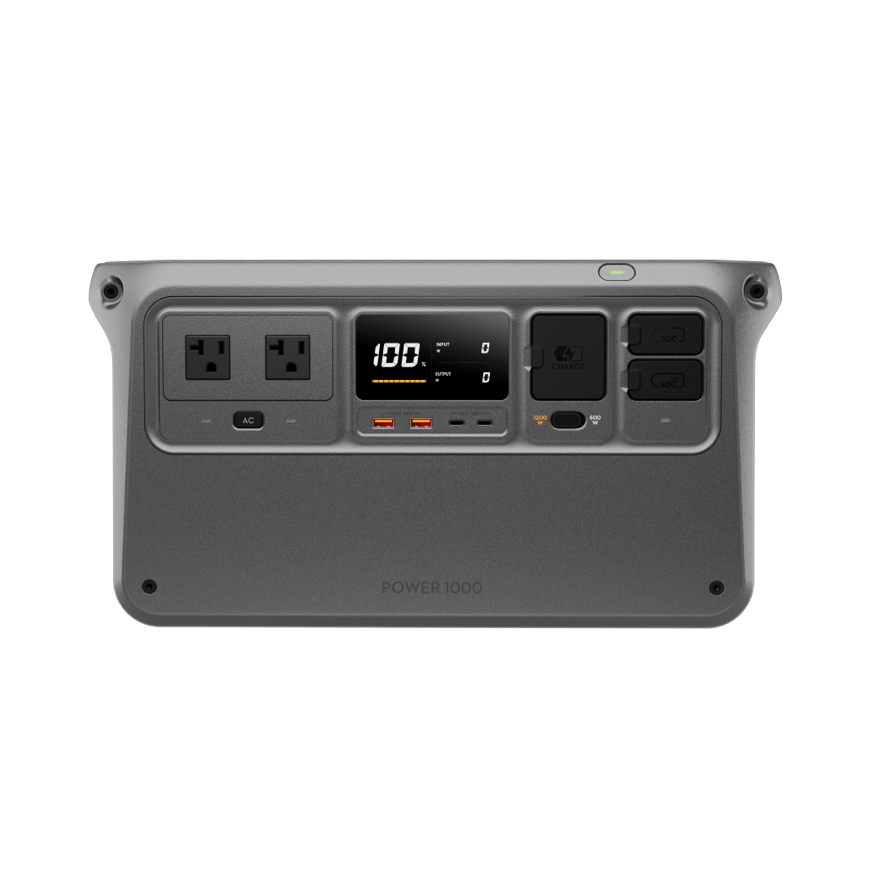 ReviewsDJI Power 1000 Review: The Drone Pilot's 1kWh StationThe DJI Power 1000 packs 1024Wh of LiFePO4 storage with 2200W of continuous output — the strongest 1kWh inverter in its class…
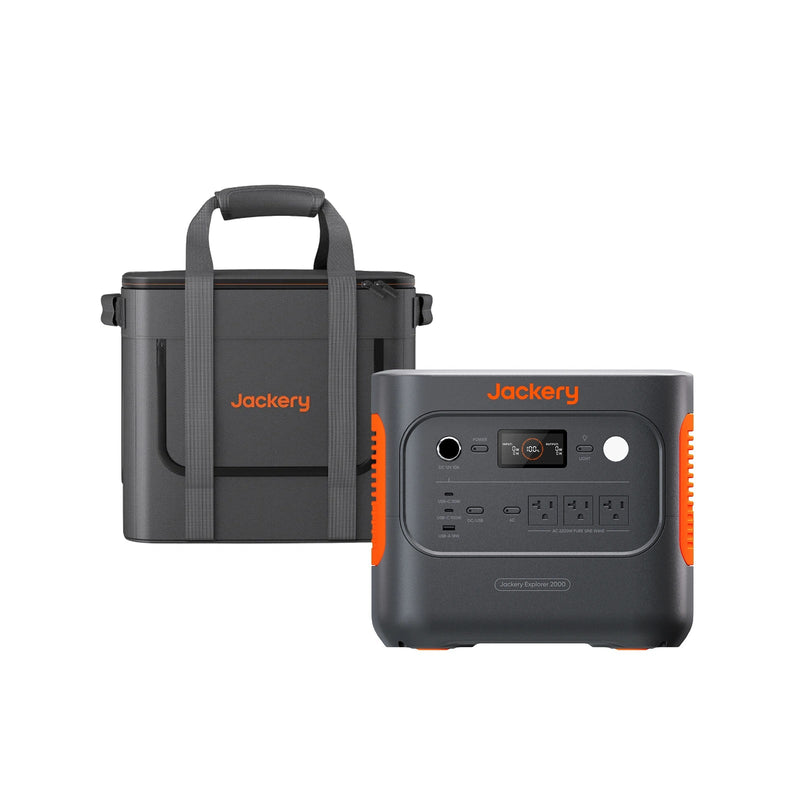 ReviewsJackery Explorer 2000 v2 Review: Light & FastThe Jackery Explorer 2000 v2 is the lightest 2kWh power station in its class at 39.5 lbs, with a 52-minute emergency recharge,…