Anker Solix C2000 Gen 2 vs EcoFlow Delta 3 Max
5 min read
On this page
Same 2048Wh, same 2400W — but the Anker Solix C2000 Gen 2 costs ~$500 less than the EcoFlow Delta 3 Max. Does the EcoFlow's faster wall charging and Storm Guard justify the premium? Based on official specs and expert reviews, here's the…
The $500 question
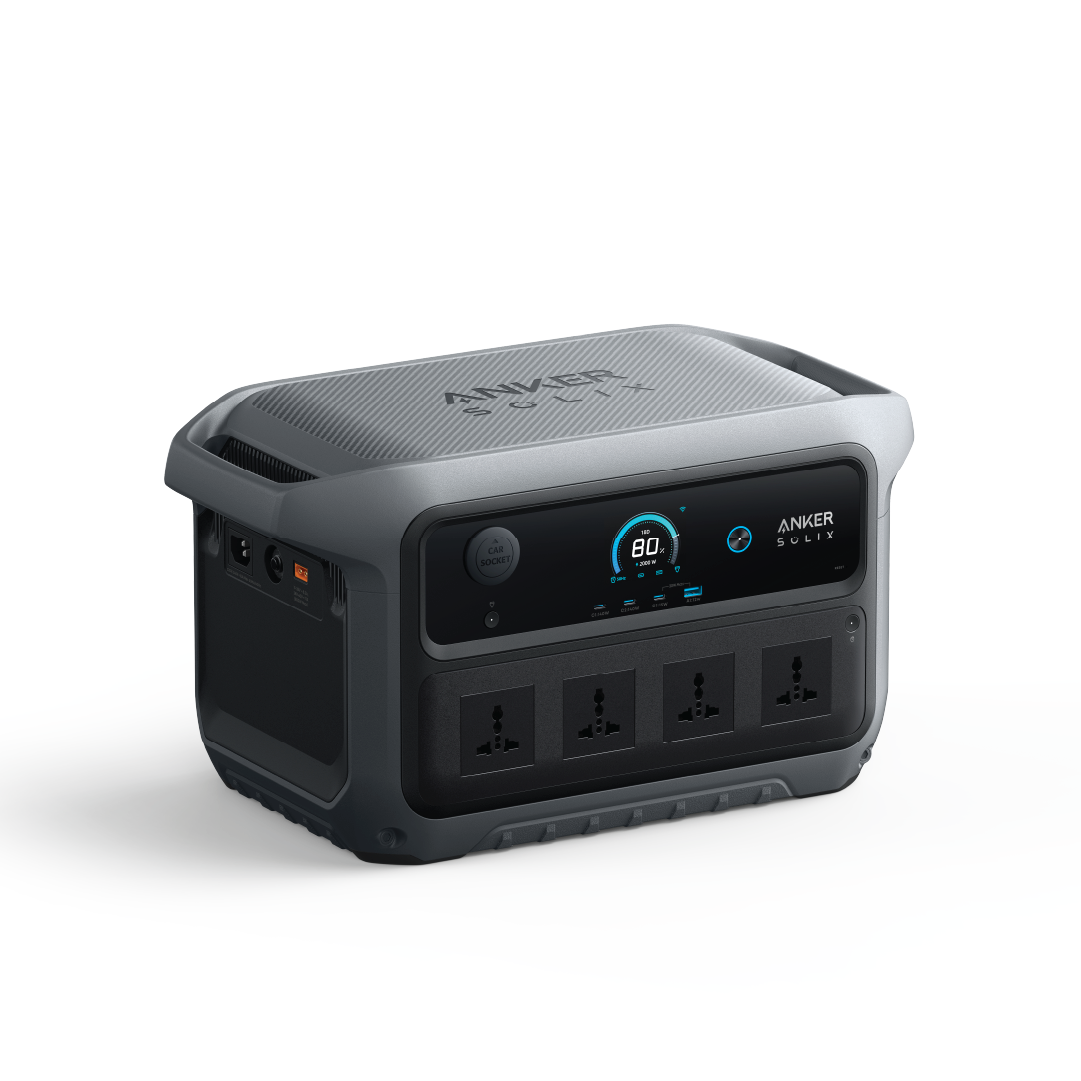
The Anker Solix C2000 Gen 2 and the EcoFlow Delta 3 Max are the two most interesting 2kWh power stations of 2026 for opposite reasons. The Anker is the value disruptor: 2048Wh, 2400W, dual 140W USB-C, 9W idle draw, and expansion to 4kWh — for around $899. The EcoFlow is the refinement pick: the fastest wall charging in the class (68 minutes to 80%), documented ≤25dB quiet operation, and Storm Guard weather pre-charging — for around $1,399. That's roughly a $500 gap for two units with identical capacity and output. Based on official specs from Anker and EcoFlow plus published expert reviews and owner feedback (we didn't bench-test either unit), here's where each dollar goes.

Side-by-side specs (both verified from official sources)
| Spec | Anker Solix C2000 Gen 2 | EcoFlow Delta 3 Max |
|---|---|---|
| Capacity | 2048Wh LiFePO4 | 2048Wh LiFePO4 |
| AC output | 2400W continuous, 4000W peak | 2400W continuous, 3400W X-Boost |
| Battery longevity | 4000 cycles (~10-year design life) | ~10-year estimated lifespan (EcoFlow) |
| Wall recharge | 1800W max: under 3 hours | 2300W X-Stream: 0–80% in ~68 min |
| Fastest recharge claim | 80% in 45 min / 100% in 58 min (AC + solar combined) | 0–80% in 68 min (wall alone) |
| Solar input | 800W max | 500W max |
| Expandable | Yes — to 4096Wh (1× BP2000) | No |
| Idle power draw | 9W (OptiSave) | Not published |
| USB-C | 2× 140W + 1× 15W | 1× 100W + 2× 30W |
| TT-30 RV outlet | Yes | No |
| UPS switchover | 10ms | <10ms |
| Noise | No official dBA published | ≤25dB @ 600W (official lab figure) |
| Signature app feature | Time-of-Use mode (off-peak arbitrage) | Storm Guard (weather-triggered pre-charging) |
| Alternator charging | 800W accessory charger | 500W via XT60 |
| Weight | 41.7 lbs | 44.8 lbs |
| Warranty | 5 years | 5 years |
| Price (Oct 2026) | ~$899 | ~$1,399 |
Specs from Anker's and EcoFlow's official product pages. Prices are "as of Oct 2026" — check current pricing.
Head-to-head
Capacity & output: tie
2048Wh and 2400W on both sides — fridge, microwave, power tools, multi-night CPAP, all covered. Anker's 4000W peak edges EcoFlow's 3400W X-Boost for motor startups, but both handle 99% of household loads.
Charging speed: it depends on your outlet
From the wall alone, EcoFlow wins clearly: 68 minutes to 80% vs under 3 hours for the Anker. From wall + solar combined, Anker claims the faster headline: 100% in 58 minutes. And from solar alone, Anker's 800W input beats EcoFlow's 500W. So: EcoFlow if you charge from the wall, Anker if you have panels. For storm-prep (wall power, hours to spare), the EcoFlow's speed is the more useful kind.
Efficiency & UPS standby: Anker wins
The 9W idle draw is the C2000 Gen 2's quiet superpower — roughly half the class average. A unit sitting in UPS mode for weeks between outages loses far less to standby drain. EcoFlow publishes no idle figure. For always-plugged-in backup duty, Anker is the rational pick.
Ports & device charging: Anker wins
Dual 140W USB-C ports charge two laptops at full speed; EcoFlow's 100W + 2×30W setup can't. The TT-30 RV outlet gives Anker direct travel-trailer compatibility that the EcoFlow lacks. The 800W alternator charger (vs EcoFlow's 500W) also refills faster on road trips.
Quiet operation: EcoFlow wins on paper
EcoFlow's ≤25dB @ 600W is a published, measured figure — best-in-class documentation. Anker publishes no noise spec. Owner feedback suggests the Anker is reasonably quiet, but EcoFlow has the receipts.
Smart features: different strengths
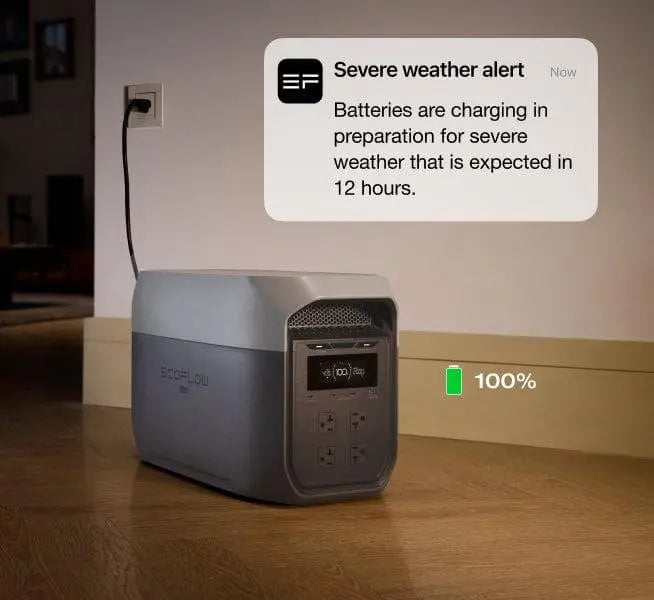
EcoFlow's Storm Guard (automatic pre-charging on severe-weather alerts) is the better emergency feature. Anker's Time-of-Use mode (charge off-peak, discharge on-peak to cut electricity bills) is the better everyday-savings feature. Pick based on whether you fear storms or hate your utility bill.
Portability: Anker wins narrowly
41.7 lbs vs 44.8 lbs — both are one-person carries, but the Anker is 3 lbs lighter and slightly more compact. Neither is a backpack unit.
Expansion: Anker wins by default
The C2000 Gen 2 takes one BP2000 battery to 4096Wh. The Delta 3 Max takes none. If 2kWh might not be your forever answer, Anker keeps the door open.
Price & value: Anker wins — by ~$500
This is the whole comparison. ~$899 vs ~$1,399 as of Oct 2026 for the same capacity, same output, same warranty length, and — on several specs (USB-C, solar input, idle draw, expansion) — the cheaper unit is actually better equipped. The EcoFlow's premium buys faster wall charging, documented quietness, and Storm Guard. Whether that's worth $500 is the decision.
App & ownership experience
Both apps cover the essentials — real-time wattage, remaining runtime estimates, outlet toggling, firmware updates — over Wi-Fi and Bluetooth. The differentiators are the signature modes. EcoFlow's Storm Guard watches severe-weather alerts and pre-charges the unit automatically: set it once, and the Delta 3 Max is full before every hurricane, ice storm, or wildfire-season PSPS event. Anker's Time-of-Use mode is the money saver: program your utility's off-peak hours and the C2000 Gen 2 charges when electricity is cheap, then discharges during peak-rate hours — effectively a daily arbitrage battery that trims the power bill year-round. Storm Guard wins for emergency peace of mind; Time-of-Use wins for everyday economics. Pick the one that matches your bigger worry.
Availability & buying timing
Both units discount aggressively, but on different rhythms. The Anker C2000 Gen 2 has seen event pricing as low as ~$850 (October Prime Day 2026) against its ~$1,599 list — the deepest discounts in the class. The EcoFlow Delta 3 Max lists at ~$1,399 on ecoflow.com with periodic EcoFlow-store and Amazon sales. Neither unit is meaningfully cheaper at list price; both reward patient buyers. High demand has occasionally put the Anker on backorder (shipping dates pushed to mid-October 2026 at one point), while the EcoFlow has been consistently stocked. If you need a unit this week, check live stock before committing to the Anker.
Winner by use case
- Best value 2kWh overall: Anker Solix C2000 Gen 2 — more features, ~$500 less.
- Storm-prep / hurricane country: EcoFlow Delta 3 Max — 68-min wall recharge + Storm Guard.
- Always-plugged-in UPS backup: Anker Solix C2000 Gen 2 — 9W idle draw.
- Bedroom-quiet backup: EcoFlow Delta 3 Max — documented ≤25dB operation.
- Solar-first / off-grid: Anker Solix C2000 Gen 2 — 800W solar + 58-min combined recharge.
- RV life: Anker Solix C2000 Gen 2 — TT-30 outlet + 800W alternator charging.
- Multi-laptop households: Anker Solix C2000 Gen 2 — dual 140W USB-C.
- Workshop daily driver: EcoFlow Delta 3 Max — 68-minute lunch-break top-ups.
- Future expansion: Anker Solix C2000 Gen 2 — 4kWh with BP2000; EcoFlow can't expand.
- CPAP backup: Tie — both run a 40W CPAP for 40+ estimated hours with fast UPS switchover.
Verdict
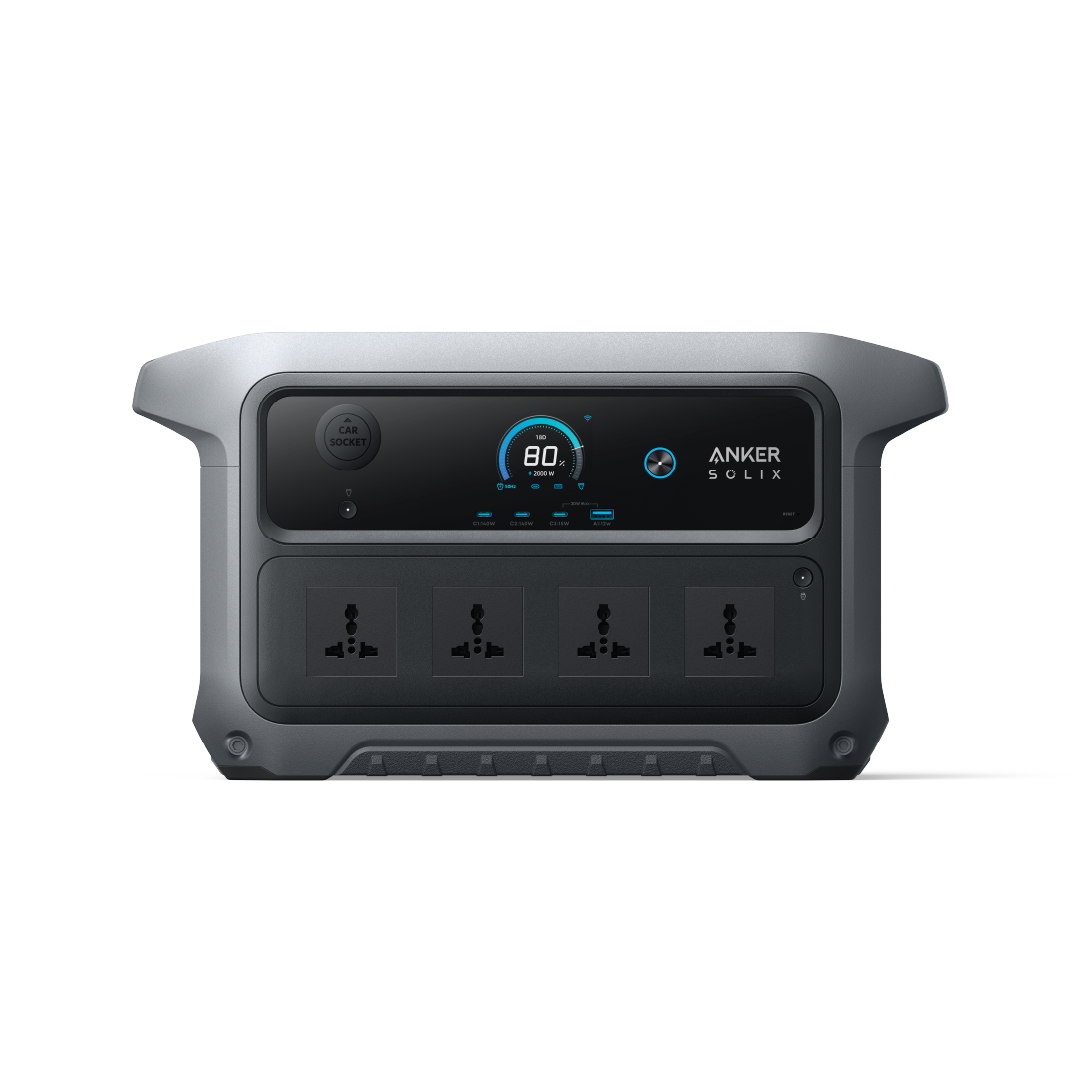
For most buyers in 2026, the Anker Solix C2000 Gen 2 is the smarter purchase: it matches the EcoFlow on capacity and output, beats it on USB-C, solar input, idle efficiency, RV readiness, and expansion — and costs roughly $500 less. The EcoFlow Delta 3 Max earns its premium in exactly two scenarios: you charge from the wall and want the fastest possible turnaround (68 minutes, no panels needed), or you want the quietest documented operation and Storm Guard's automatic storm pre-charging. If neither of those is your top priority, keep the $500. And if the budget is the priority above all, the Jackery Explorer 2000 v2 (~$899) is the lightest alternative in the class — see our full review.
About our reviews
Specs come from published manufacturer data sheets, cross-checked against owner feedback. Figures go stale. Check the current data sheet before you buy. This is not electrical or purchasing advice.
Related guides
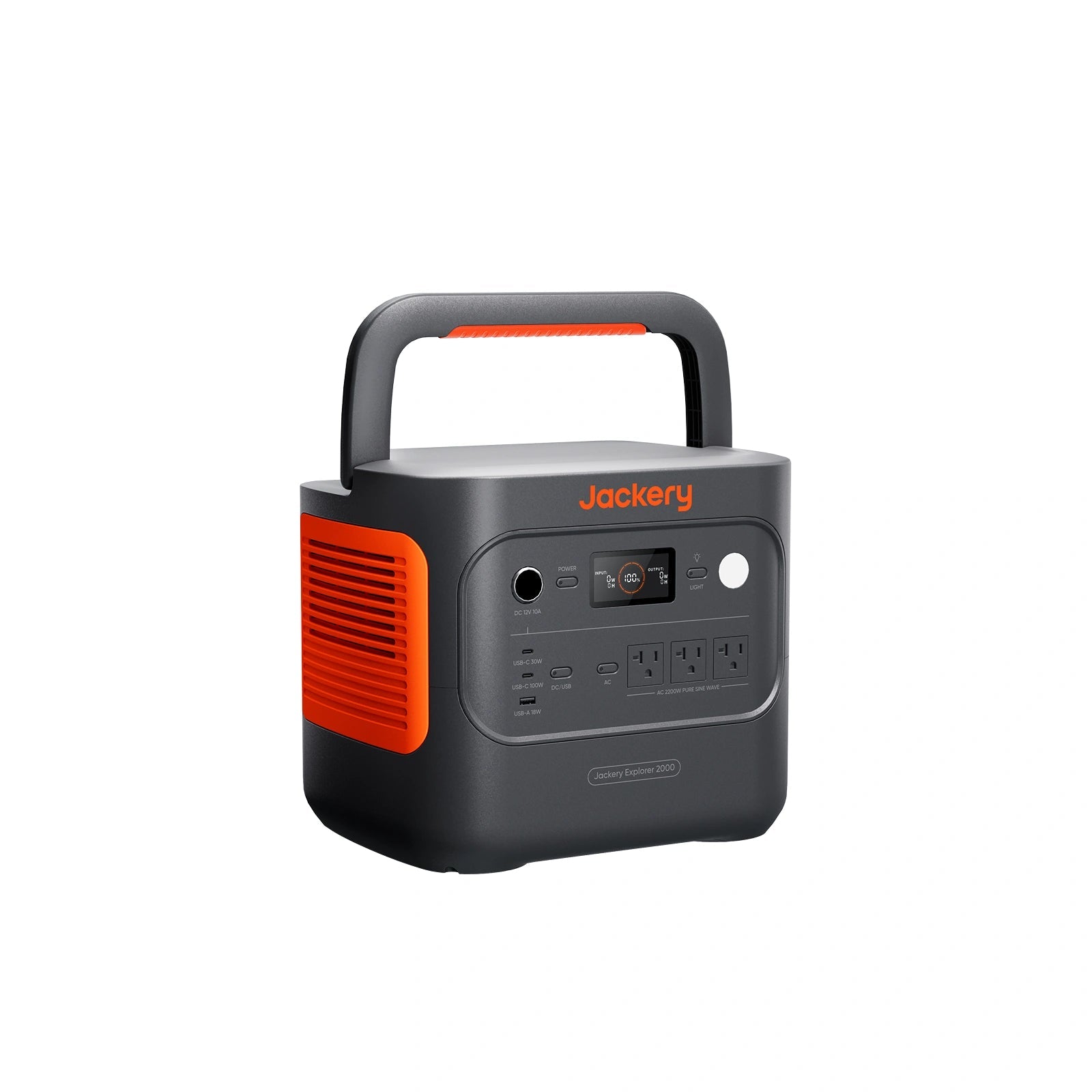 ComparisonsJackery Explorer 2000 v2 vs Bluetti Elite 200 V2The two best 2kWh values of 2026 head-to-head: Jackery Explorer 2000 v2 (2042Wh, 2200W, 39.5 lbs) vs Bluetti Elite 200 V2…
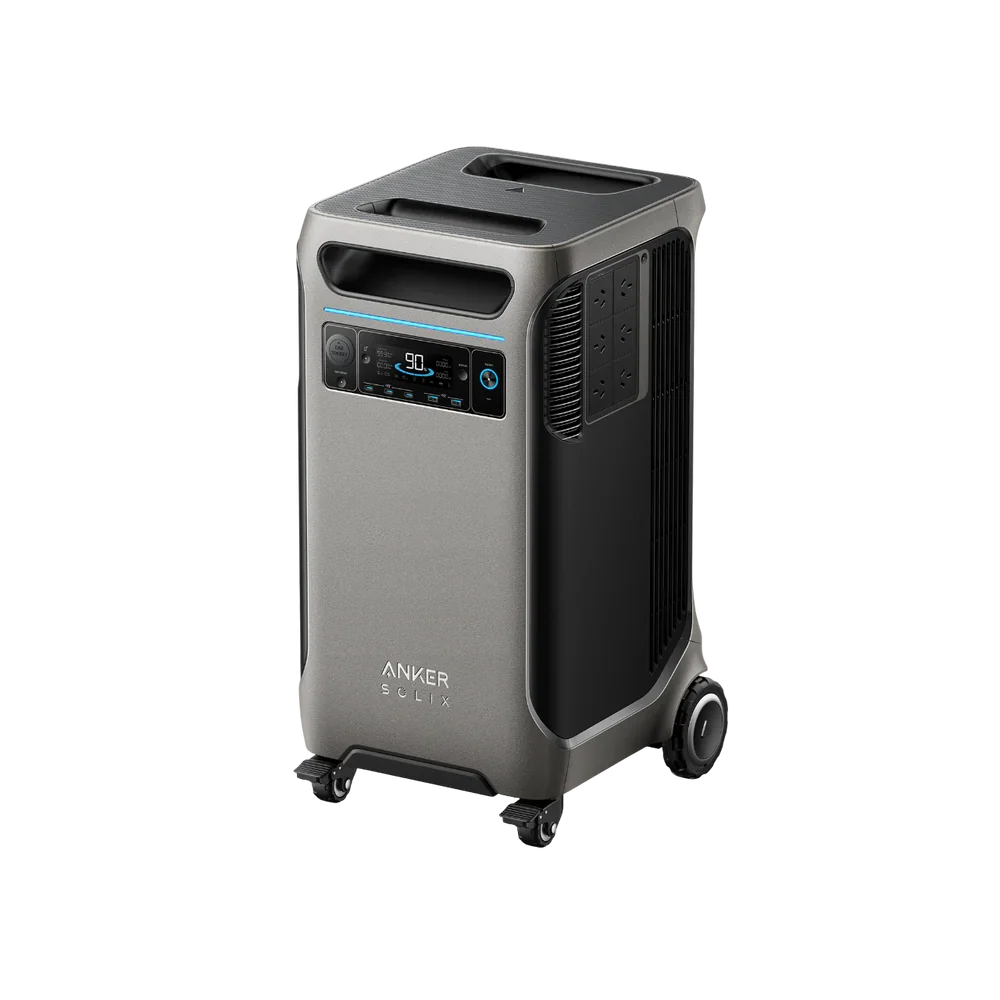 ComparisonsBluetti Apex 300 vs Anker Solix F3800Two heavyweights of home backup: the Bluetti Apex 300 offers 3,840W and a 6,000-cycle battery, while the Anker Solix F3800…
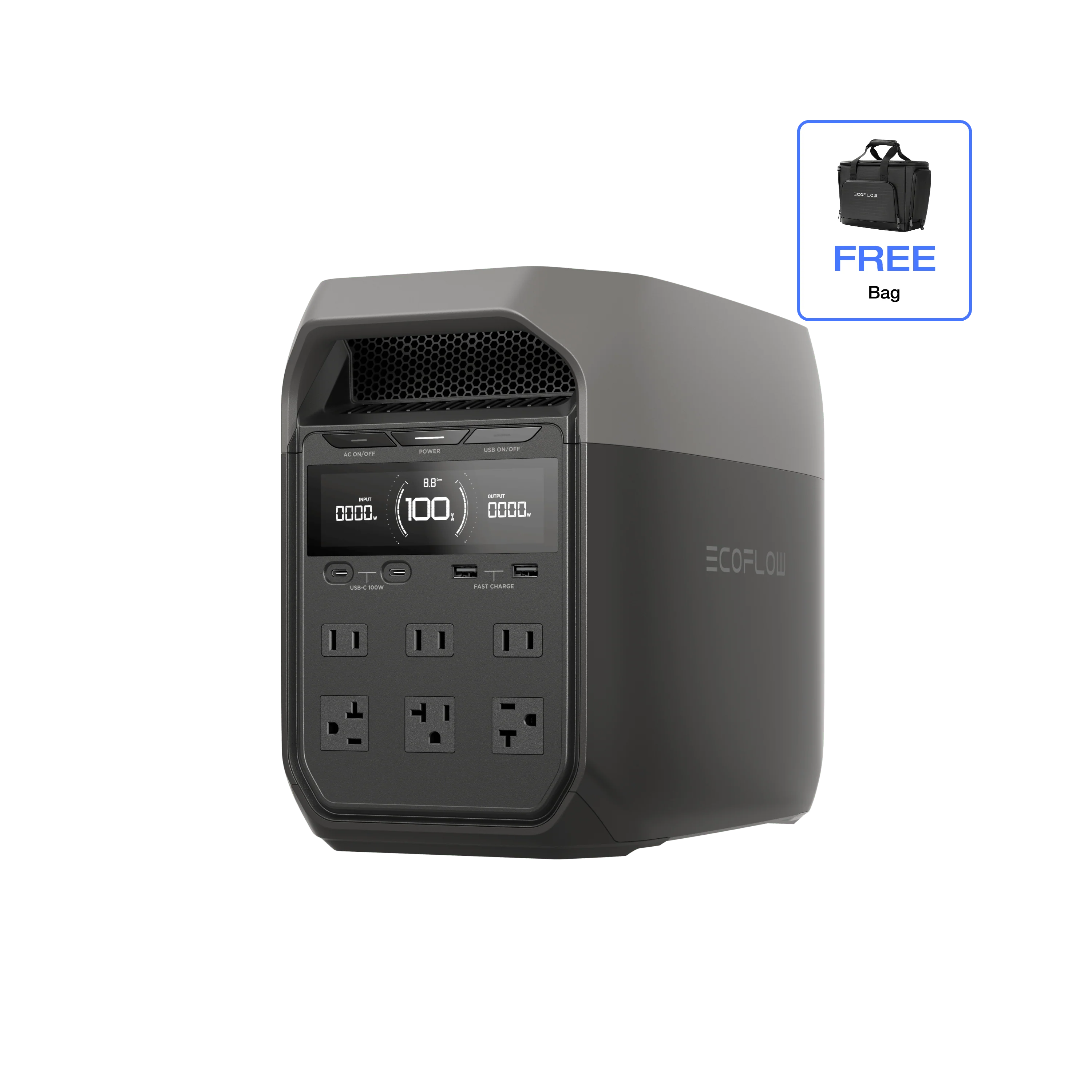 ComparisonsEcoFlow Delta 3 vs Delta 2: Should You Upgrade?The EcoFlow Delta 3 keeps the Delta 2's winning 1024Wh/1800W formula but adds faster charging, a quieter fan, a 4,000-cycle…