EcoFlow Delta 3 Plus vs Bluetti AC180: 1kWh Showdown
5 min read
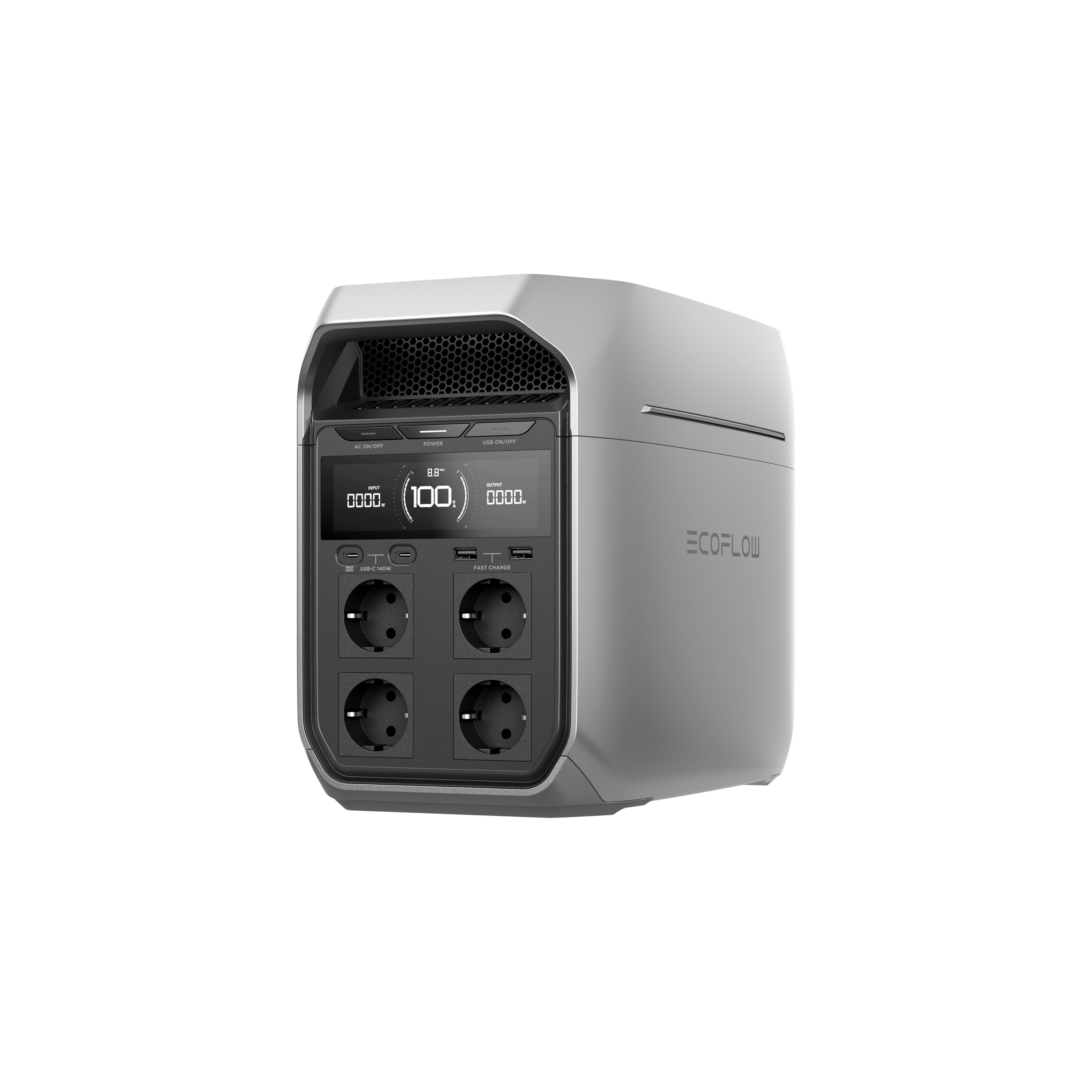
EcoFlow Delta 3 Plus vs Bluetti AC180 — two 1800W, 1kWh-class power stations with very different strengths. Based on published specs and expert reviews: dual solar and expansion vs bigger battery and lower price. Which wins for you?
The short version
The EcoFlow Delta 3 Plus and Bluetti AC180 are the two 1800W heavyweights of the 1kWh class — same output, same 5-year warranty, same ~1-hour recharge — but they optimize for opposite things. The Delta 3 Plus is the capability pick: dual 500W solar inputs (1000W total), expansion to 5kWh, a 4000-cycle battery, IP65 weather resistance, and quieter operation. The AC180 is the capacity-per-dollar pick: 1152Wh (12% more than the Delta 3 Plus's 1024Wh) at a street price that's often $100+ less. In 2026 the choice is simple: pay more for the EcoFlow's solar input and growth path, or pay less for the Bluetti's bigger battery. Full breakdown below.
This is a research-based comparison: every spec comes from EcoFlow's and BLUETTI's official documentation, and the assessments reflect patterns across published expert reviews and verified owner feedback. We did not bench-test either unit.

Side-by-side specs (verified)
| Spec | EcoFlow Delta 3 Plus | Bluetti AC180 |
|---|---|---|
| Capacity | 1024Wh | 1152Wh |
| Battery chemistry | LiFePO4, 4000 cycles to 80% | LiFePO4, 3500+ cycles to 80% |
| AC output | 1800W continuous, 3600W surge (X-Boost 2400W) | 1800W continuous, 2700W Power Lifting |
| AC recharge | 1500W: 0–100% ~56 min | 1440W Turbo: 0–80% ~45 min, full ~1.3–1.8 hrs |
| Solar input | 1000W max (dual 500W MPPT) | 500W max |
| Car charging | 800W (~1.3 hrs) | 12V/24V |
| Expandable | Yes — to 5kWh | No |
| UPS | <10 ms | ≤20 ms |
| USB-C | 2× 140W | 1× 100W |
| Extras | IP65 battery pack; app with storm alerts | 15W wireless charging pad |
| Weight | 27.6 lbs (12.5 kg) | 35.3 lbs (16 kg) |
| Noise | <30 dB @ 600W / <40 dB @ 1200W (EcoFlow lab) | ~45 dB Silent mode; audible Turbo |
| Connectivity | Wi-Fi + Bluetooth | Bluetooth only |
| Warranty | 5 years | 5 years |
| Street price (Oct 2026) | ~$420–$600 on sale (list ~$799) | ~$424 on sale (list $499) |
Specs sourced from EcoFlow's and BLUETTI's official product pages and user manuals. Prices are observed US sale ranges as of October 2026.
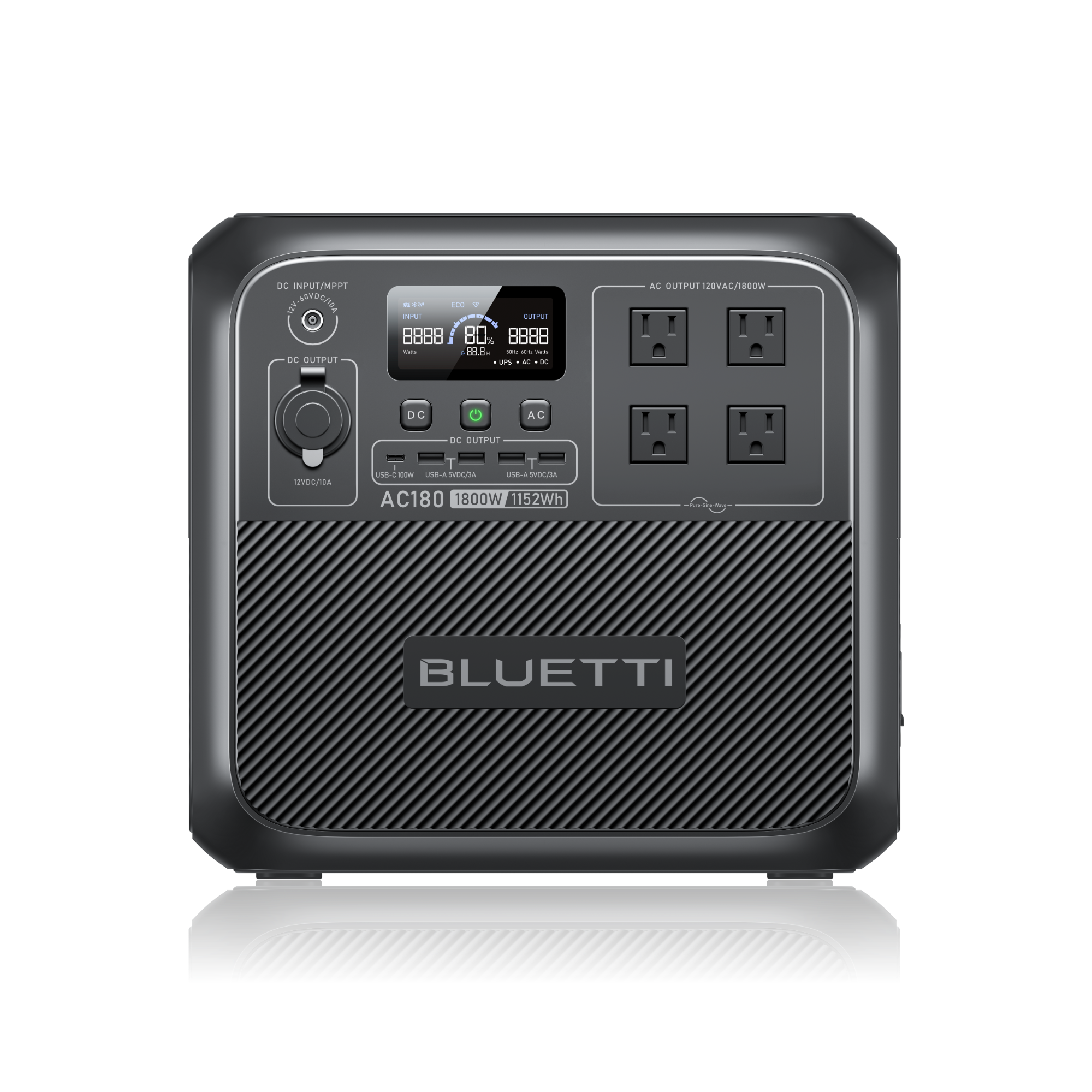
Head-to-head
Capacity: Bluetti, by 12%
1152Wh vs 1024Wh. The AC180's extra 128Wh is worth roughly 1–2 more hours of fridge runtime per charge — meaningful in an outage, and it's the AC180's core argument: more energy, less money.
Output power: Tie
Both deliver 1800W continuous. The Delta 3 Plus counters with a higher surge (3600W vs 2700W) and 2400W X-Boost; the AC180 answers with 2700W Power Lifting for resistive loads. For real appliances, both cover the same ground — full-size fridges, microwaves, coffee makers, power tools.
Charging speed: EcoFlow, on solar; tie on wall
Wall charging is effectively tied (~56 min vs ~45 min to 80%). The difference is solar: the Delta 3 Plus's dual 500W inputs refill from panels in ~70 minutes — roughly twice as fast as the AC180's 500W input (~3 hours). If the sun is your fuel, this is the row that decides it.
Expandability: EcoFlow, exclusively
The Delta 3 Plus grows to 5kWh with extra batteries (including backward-compatible Delta 2/Pro 3 packs). The AC180 has no expansion port — 1152Wh forever. This is the structural difference between the two: one is a starting point, the other is a finished product.
Portability: EcoFlow, by 8 lbs
27.6 lbs vs 35.3 lbs. The AC180 is the heaviest 1kWh station from a major brand; the Delta 3 Plus is merely heavy. Neither is a hiking companion, but the EcoFlow is the easier carry — and it's quieter doing it.
Battery longevity: EcoFlow, on paper
4000 cycles to 80% vs 3500+ cycles to 80%. Both are decade-grade; the EcoFlow's extra 500 cycles is worth roughly 1–2 more years of daily cycling. Marginal, but real.
Price/value: Bluetti, clearly
~$424 sale vs ~$420–$600 sale — and the Bluetti's list price is $499 vs the EcoFlow's ~$799. At typical street prices the AC180 gives you 12% more capacity for roughly the same or less money: about $0.37/Wh vs ~$0.45–0.55/Wh. If the budget is fixed, the Bluetti wins on pure economics.
Winner by use case
- Home outage backup (stationary): Bluetti AC180 — more watt-hours per dollar, and it won't move much anyway.
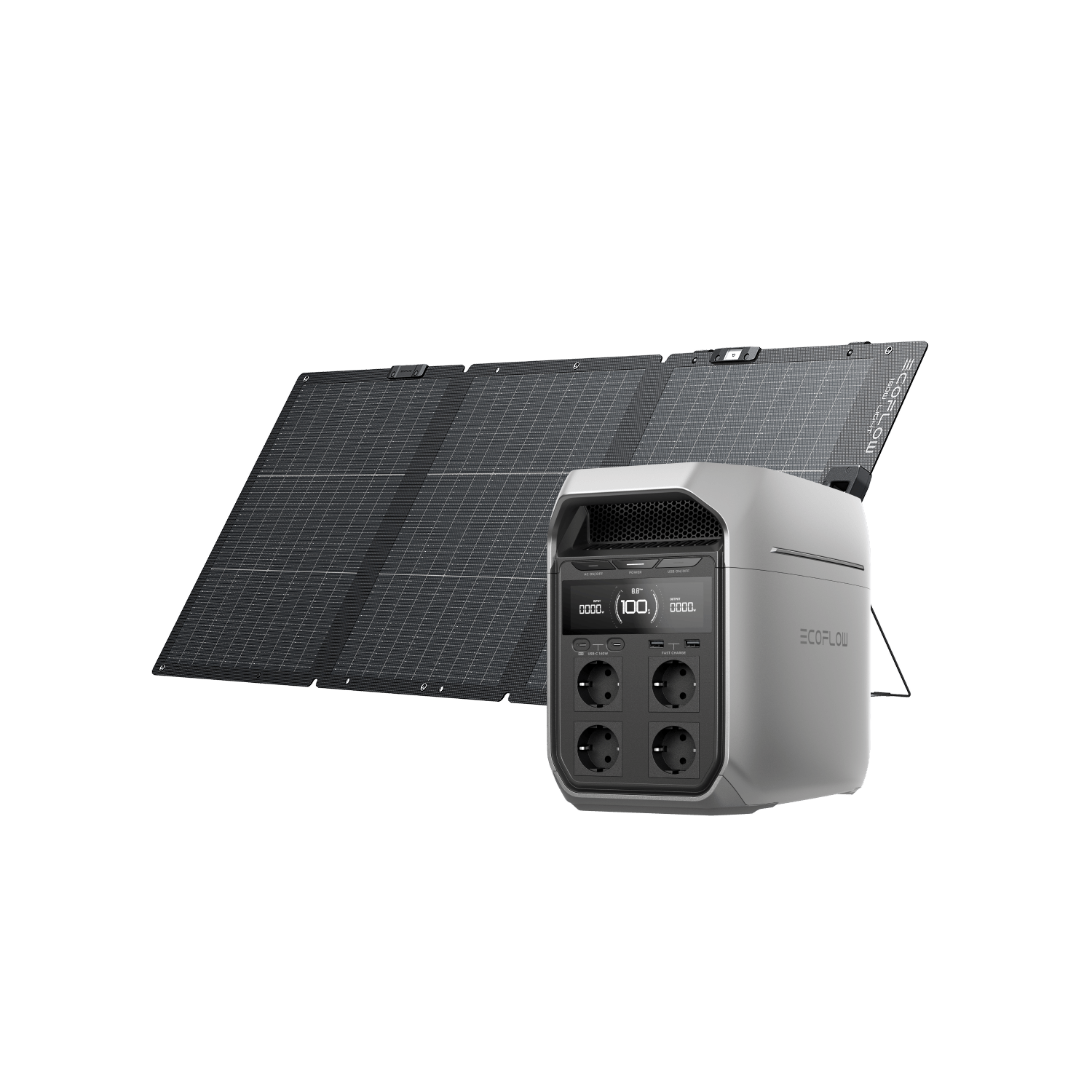
- Solar-first / off-grid: EcoFlow Delta 3 Plus — 1000W of solar input is in another league.
- Growing backup needs: EcoFlow Delta 3 Plus — the 5kWh expansion path is unmatched here.
- Camping / portable use: EcoFlow Delta 3 Plus — 8 lbs lighter, quieter, IP65 battery pack.
- Maximum runtime per dollar: Bluetti AC180 — the value king of the 1kWh class.
- Home office UPS: EcoFlow Delta 3 Plus — <10 ms switchover and Wi-Fi monitoring edge it ahead.
- Bedroom / quiet operation: EcoFlow Delta 3 Plus — lower noise floor at moderate loads.
FAQ
Is the EcoFlow Delta 3 Plus better than the Bluetti AC180?
It's more capable: faster solar charging, expandable to 5kWh, lighter, quieter, longer-rated battery. But the AC180 holds 12% more energy and typically costs less — "better" depends on whether you value capability or capacity-per-dollar.
Which charges faster from solar?
The Delta 3 Plus, by about 2× — its dual 500W inputs (1000W total) refill in ~70 minutes of good sun vs ~3 hours for the AC180's 500W input.
Which is better for a refrigerator during an outage?
The AC180 keeps a fridge cold longer per charge (13–18 hrs estimated vs 12–16 hrs) thanks to its bigger battery. The Delta 3 Plus catches up and passes it if you add solar panels or an extra battery.
Can either be expanded?
Only the Delta 3 Plus (to 5kWh). The AC180 is not expandable.
Verdict
This is the classic enthusiast-vs-value split. The EcoFlow Delta 3 Plus is the better machine — dual solar, 5kWh expansion, 4000-cycle battery, lighter, quieter, Wi-Fi. The Bluetti AC180 is the better deal — 1152Wh and 1800W for around $424 on sale, the lowest cost per watt-hour in the class. If you'll use the solar input or ever want more capacity, the Delta 3 Plus justifies its premium. If the station will sit in the garage as outage insurance and you want the most backup per dollar, buy the AC180 and don't look back.
About our reviews
Specs come from published manufacturer data sheets, cross-checked against owner feedback. Figures go stale. Check the current data sheet before you buy. This is not electrical or purchasing advice.
Related guides
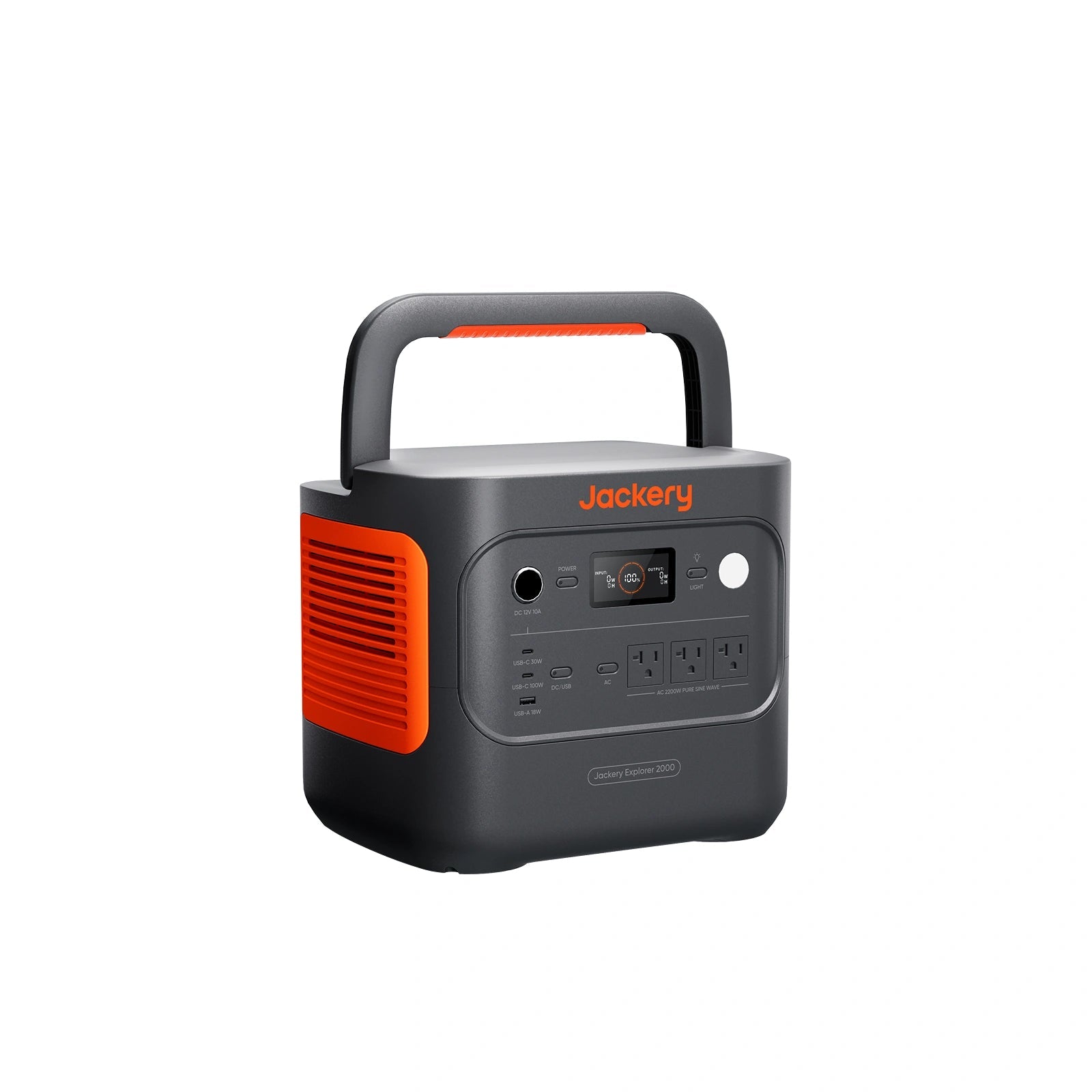 ComparisonsJackery Explorer 2000 v2 vs Bluetti Elite 200 V2The two best 2kWh values of 2026 head-to-head: Jackery Explorer 2000 v2 (2042Wh, 2200W, 39.5 lbs) vs Bluetti Elite 200 V2…
 ComparisonsBluetti Apex 300 vs Anker Solix F3800Two heavyweights of home backup: the Bluetti Apex 300 offers 3,840W and a 6,000-cycle battery, while the Anker Solix F3800…
 ComparisonsEcoFlow Delta 3 vs Delta 2: Should You Upgrade?The EcoFlow Delta 3 keeps the Delta 2's winning 1024Wh/1800W formula but adds faster charging, a quieter fan, a 4,000-cycle…