What Size Power Station for CPAP Overnight? (2026)
6 min read
On this page
A CPAP needs ~375Wh for one night without the humidifier, or ~850Wh with it — so a 500Wh station covers a night, 1kWh covers 2–3, and 2kWh covers a week. Here's the math, worked examples, and which power stations to buy, based on…
The short answer
A typical CPAP machine draws 30–60 watts without the heated humidifier, or 90 watts and up with the humidifier and heated tube running. Over an 8-hour night, that's roughly 375Wh without the humidifier or 850Wh with it (after accounting for ~15% inverter loss). Translation: a ~500Wh power station covers one night with the humidifier off; a 1kWh station covers 2–3 nights (or one night with the humidifier on); a 2kWh station covers most of a week. Read on for the full math, four worked examples, and the best stations for CPAP backup based on verified specs.
Research-based guide: the math below uses published CPAP power-draw figures and official power-station specs. We didn't bench-test any unit. And the medical disclaimer up front: a power station is backup power, not a medical device — talk to your doctor about your backup plan, and test your setup at home before you depend on it.

The math: how to size a station for your CPAP
Step 1: Find your machine's wattage
Check the label on your CPAP's power brick — it lists the wattage (commonly 40W, 60W, or 90W). Two numbers matter:
- Humidifier OFF, heated tube OFF: typically 30–60W (we'll use 40W in the examples).
- Humidifier ON, heated tube ON: typically 90–104W+ (we'll use 90W).
Pressure settings, altitude, and your breathing pattern change the draw — the machine draws less on exhale — so treat the label as a maximum and the examples below as conservative.
Step 2: Multiply by hours, then add inverter loss
The formula:
Watt-hours needed = machine watts × hours of sleep ÷ 0.85
The ÷ 0.85 accounts for ~15% lost in the station's inverter (converting battery DC to wall-outlet AC). Running your CPAP from a 12V DC adapter instead of the AC outlet skips most of that loss — many CPAP brands sell 12V car adapters, and it's the single best efficiency trick in this guide.
Step 3: Match to a station with headroom
Pick a station whose usable watt-hours exceed your nightly need by at least 20–30%. Batteries shouldn't be run to absolute zero regularly, and your sleep might run long.
Worked examples
Example 1: One night, humidifier off (the common case)
40W × 8 hours ÷ 0.85 = ~376Wh needed. A ~500Wh station covers it with margin to spare. This is the minimum sensible CPAP backup.
Example 2: One night, humidifier on
90W × 8 hours ÷ 0.85 = ~847Wh needed. You need a 1kWh-class station — a 500Wh unit won't make it through the night. (Or turn the humidifier off and drop back to Example 1.)
Example 3: Weekend camping, two nights, humidifier off
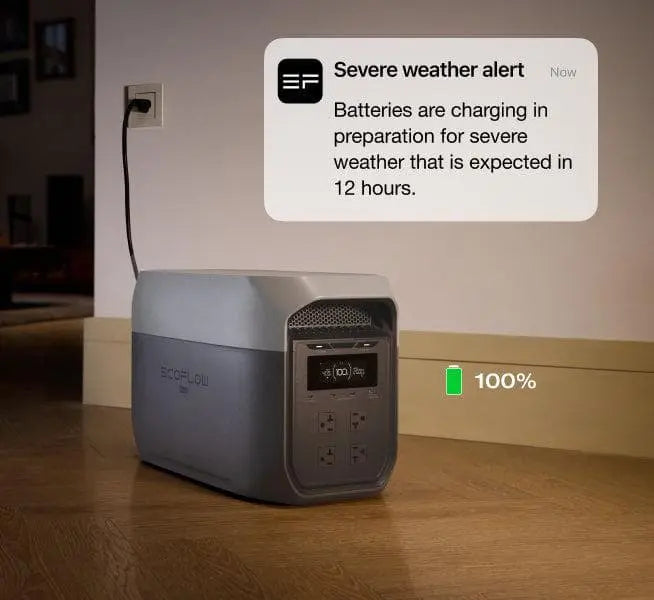
376Wh × 2 = ~752Wh needed. A 1024Wh station (like the EcoFlow Delta 2) covers two nights with ~35% to spare — no recharging required.
Example 4: Week-long outage, humidifier on
847Wh × 7 = ~5,930Wh needed. No single portable station covers this alone — you need a 2kWh station plus daily solar recharging, or an expandable unit like the Bluetti AC200L with extra batteries. This is where the 1200W solar input earns its keep.
Recommended stations by size tier
| Your need | Wh required | Our pick (verified specs) | Nights per charge* |
|---|---|---|---|
| 1 night, humidifier off | ~375Wh | EcoFlow Delta 2 (1024Wh) — headroom for 2+ nights | ~2.7 |
| 1 night, humidifier on | ~850Wh | EcoFlow Delta 2 (1024Wh) | ~1.2 |
| 2–3 nights, humidifier off | ~750–1,130Wh | EcoFlow Delta 2 (1024Wh) | ~2.7 |
| 3–5 nights (any settings) | ~1,130–4,250Wh | Any 2kWh: Delta 3 Max, AC200L, or C2000 Gen 2 | ~5.4 (humidifier off) |
| A week or more | ~2,600Wh+ | Bluetti AC200L + expansion batteries, or 2kWh + solar | — |
*Nights per charge at 40W, 8h/night, 0.85 efficiency. Estimates — your machine's actual draw varies.
Best 1kWh pick: EcoFlow Delta 2 (~$350–$600 on sale)
1024Wh of LiFePO4, 1800W output, and EcoFlow's own figure of ~17 hours for a 40W CPAP — that's two full nights with the humidifier off, or one comfortable night with it on. The sub-10ms-class EPS/UPS mode keeps the machine running through a blackout without a blip, and at 27 lbs it's easy to move to the bedroom. The best CPAP value in 2026.
Best 2kWh picks: Delta 3 Max, AC200L, or Solix C2000 Gen 2
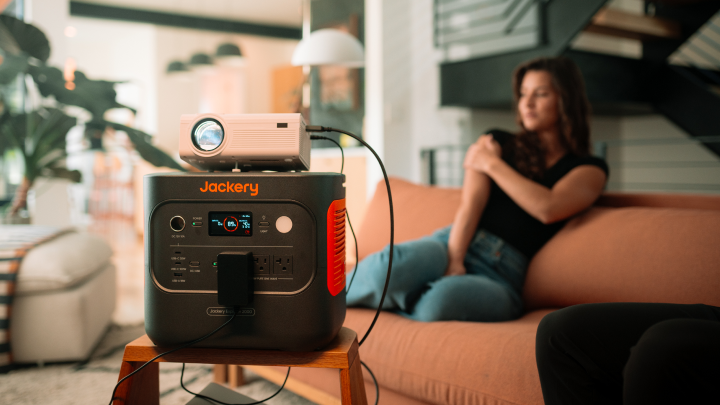
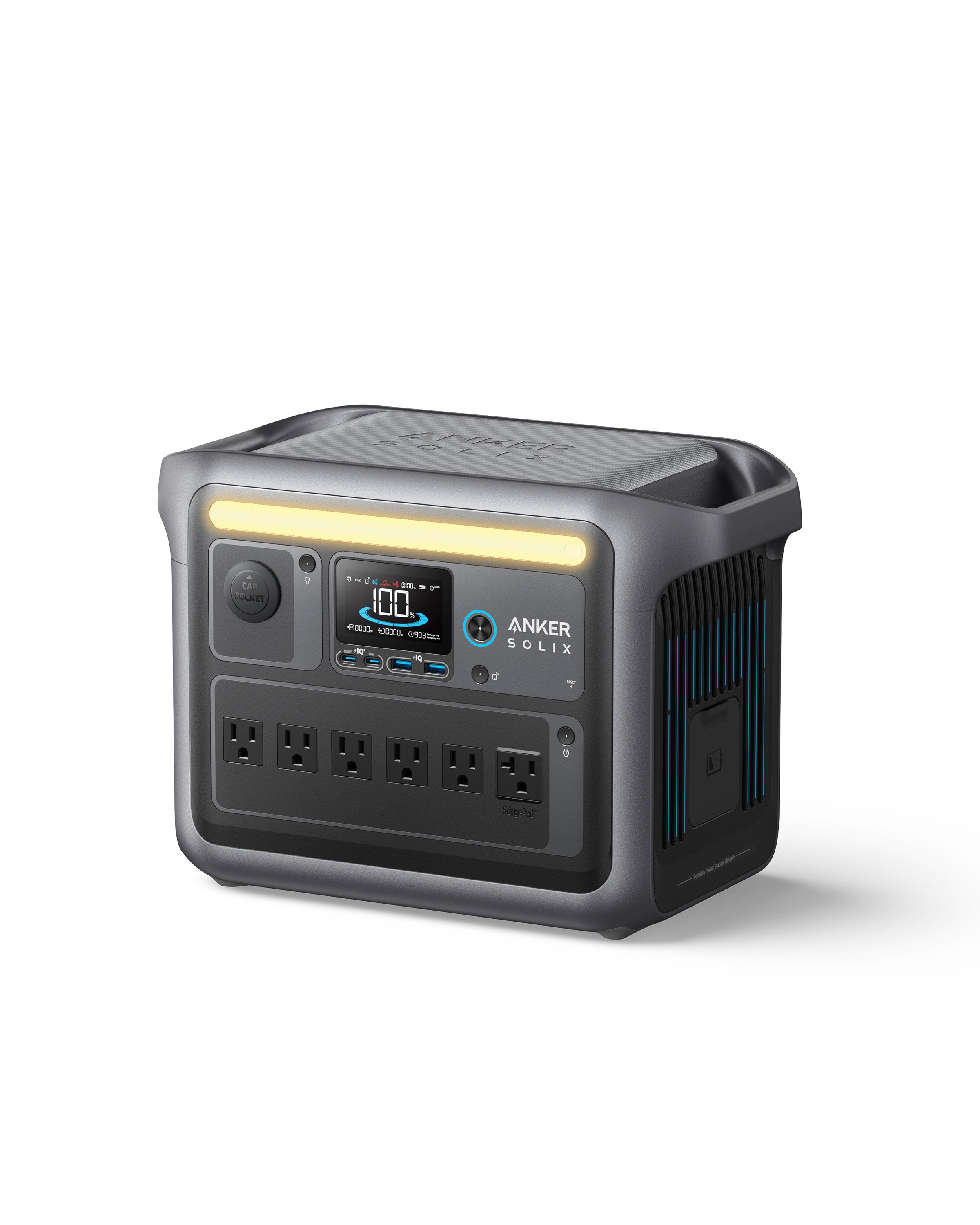
All three run a 40W CPAP for an estimated 40+ hours — five nights per charge — with fast UPS switchovers (EcoFlow <10ms, Anker 10ms, Bluetti ~20ms). Choose the EcoFlow Delta 3 Max (~$1,399) for the quietest documented operation (≤25dB at 600W) and Storm Guard; the Bluetti AC200L (~$1,199) if you want to expand toward whole-home backup; the Anker Solix C2000 Gen 2 (~$899) for the best price — one owner report logged ~21% battery over 6 hours with humidifier and heated tube running, matching the math. See our full reviews of each.
A note on the Jackery Explorer 2000 v2
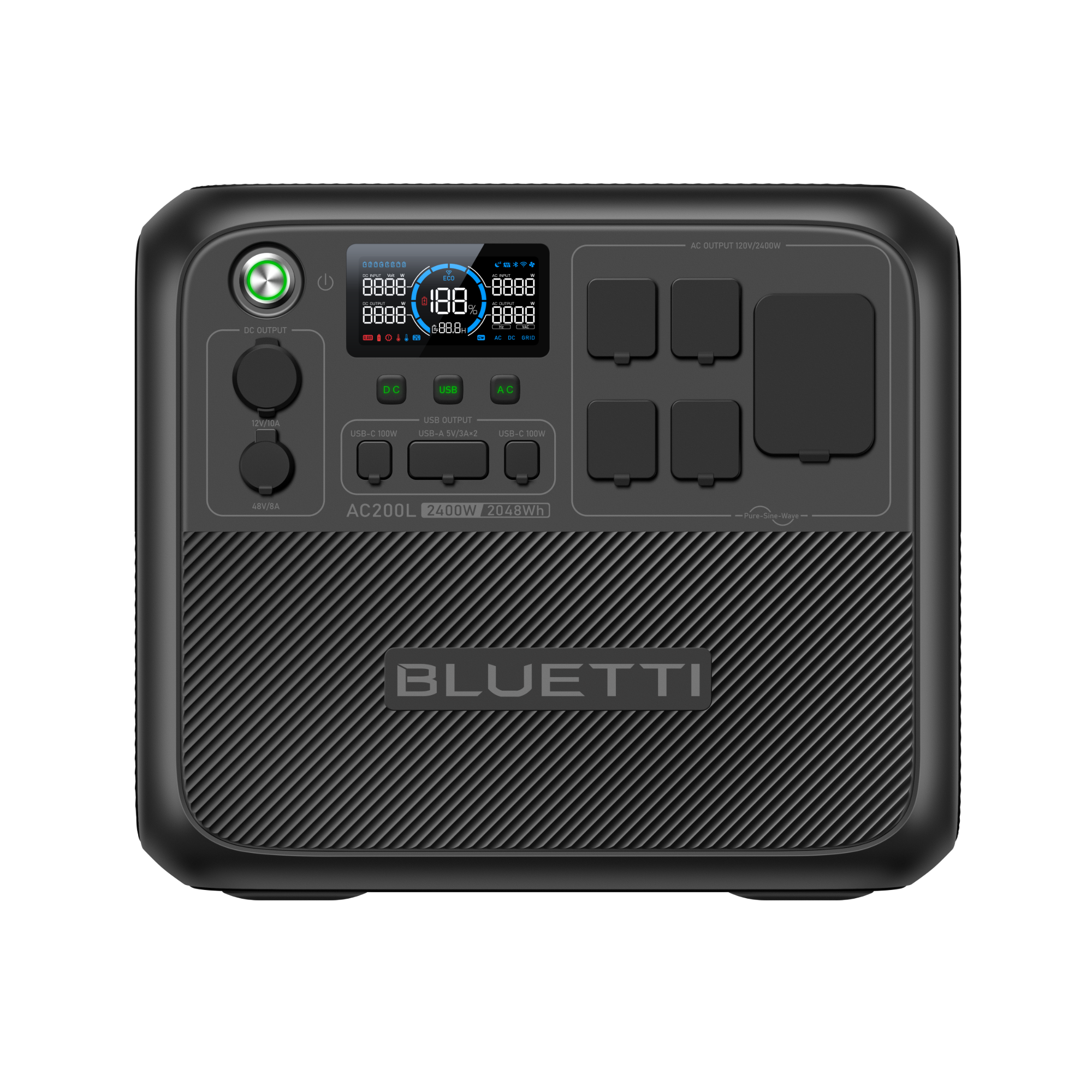
On specs alone, the Jackery 2000 v2 (2042Wh, <20ms UPS) would handle CPAP duty easily. But Jackery's own FAQ explicitly recommends against using its power stations with medical devices — so we don't recommend it for CPAP backup. The EcoFlow, Bluetti, and Anker units above carry no such manufacturer restriction.
Tips for CPAP backup success
- Turn off the heated humidifier and heated tube first. It's the single biggest power saver — it can more than double your runtime.
- Use a 12V DC adapter if your machine supports one. Skipping the AC inverter saves ~10–15% — roughly an extra hour per night.
- Test at home before you travel. Run a full night on the station and check the remaining percentage in the morning. Know your real number, not the math.
- Keep the station charged and the firmware updated. LiFePO4 holds charge for months (Jackery claims ~95% after a year), but check it seasonally.
- For outages: plug the station in as a UPS. With 10–20ms switchover, the CPAP never notices the grid dropped — you sleep through the blackout.
- Bring the charging cable. If the outage ends or you reach wall power, a 45–68 minute fast charge (Bluetti/EcoFlow) refills most of the battery over breakfast.
FAQ
How many watts does a CPAP machine use?
Typically 30–60W without the heated humidifier, or 90W+ with the humidifier and heated tube on. Check the label on your machine's power brick for its rated wattage — pressure settings and altitude affect actual draw.
What size power station do I need for one night of CPAP?
About 375Wh with the humidifier off, or about 850Wh with it on (8 hours, including inverter loss). A ~500Wh station covers a humidifier-off night; a 1kWh station covers either scenario for one night.
Can I run my CPAP from a power station's 12V outlet?
If your CPAP brand sells a 12V DC adapter, yes — and you should. DC-to-DC skips the inverter and saves ~10–15% of your battery per night. Check your machine's manual for the correct adapter.
Will a power station keep my CPAP running during a blackout?
Yes, if it's plugged in as a UPS. Stations like the EcoFlow Delta 3 Max (<10ms), Anker Solix C2000 Gen 2 (10ms), and Bluetti AC200L (~20ms) switch to battery fast enough that the CPAP never stops.
Is it safe to use a power station with a CPAP?
Portable power stations are backup power, not medical devices. Most manufacturers don't restrict CPAP use — but Jackery explicitly advises against medical-device use, so avoid Jackery for this purpose. Discuss your backup plan with your doctor, and test your setup before relying on it.
The bottom line
Size for your humidifier habit: ~500Wh for a night without it, 1kWh for a night with it, 2kWh for most of a week. The EcoFlow Delta 2 (~$350–$600 on sale) is the sweet spot for 1–3 nights; the Anker Solix C2000 Gen 2 (~$899), Bluetti AC200L (~$1,199), or EcoFlow Delta 3 Max (~$1,399) cover extended outages with fast UPS switchover. Turn off the humidifier, use a 12V adapter, test at home — and you'll sleep through the blackout.
About our reviews
Specs come from published manufacturer data sheets, cross-checked against owner feedback. Figures go stale. Check the current data sheet before you buy. This is not electrical or purchasing advice.
Related guides
 Sizing guidesHow Long Will a 1000Wh Power Station Run? (Chart)The simple runtime formula — (watt-hours × 0.85) ÷ watts — plus a full chart: how long a 1000Wh power station runs a…
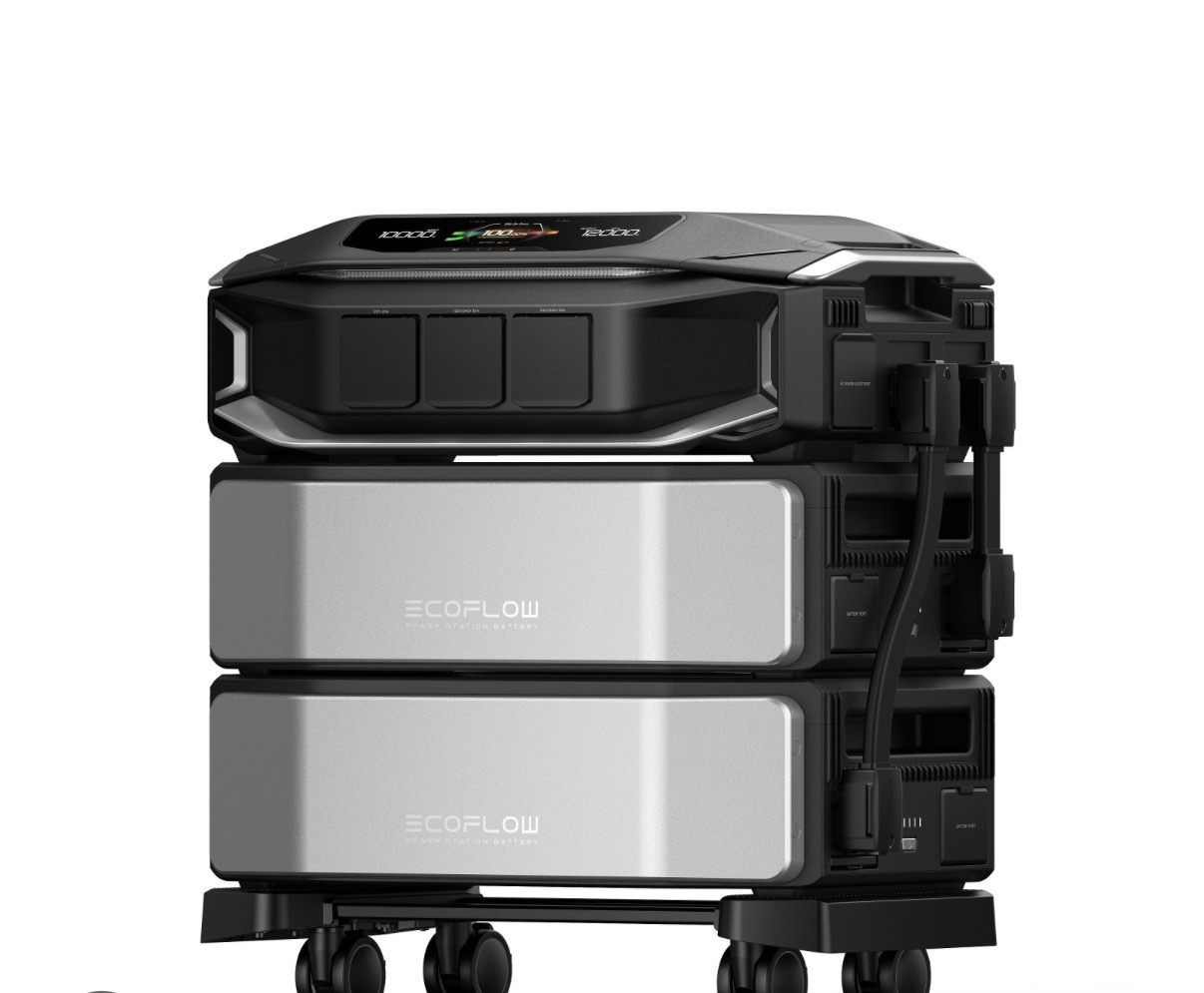 Sizing guidesHow Many Watts Do I Need for Home Backup? (2026)Sizing home backup power is two separate math problems: how much power at once (watts) and how much energy over time…
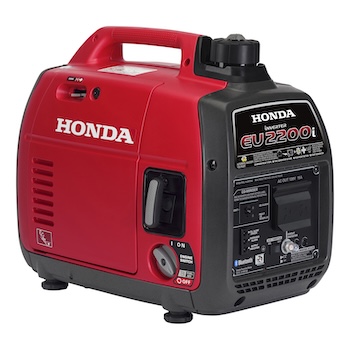 Sizing guidesPower Station vs Gas Generator for Home Backup (2026)Battery vs. gas for home backup: the honest comparison. We break down noise, fumes, fuel cost per kWh, runtime, maintenance, and…