What Size Power Station Do I Need for a Fridge?
6 min read
On this page
What size power station runs a refrigerator during an outage? The math: a full-size fridge needs ~150W average and 800–1200W startup surge — so a 1kWh station with an 1800W inverter covers most outages. Worked examples, size tiers, and…
The short answer
For a full-size refrigerator through a typical outage, you want a power station with at least 1000Wh of capacity and an 1800W (or higher) inverter. That combination runs a standard fridge for roughly 12–18 hours — enough for the vast majority of outages — and handles the compressor's startup surge without tripping. For a mini fridge, a 300Wh station is enough for several hours; for multi-day outages, you need 2kWh+ or solar refilling. The rest of this guide shows the math so you can size for your fridge, not a generic one.
Know your outage risk first. Before sizing backup power, check how often outages hit your area — our sister site HomeRiskMap has a full power-outage survival guide, and you can look up natural-hazard risk by state.
This is a research-based guide: appliance wattages are standard published figures, runtime math uses the standard watt-hour formula at realistic efficiency, and product specs come from the manufacturers' official documentation. We did not bench-test these units.

The math first: how to size it yourself
Step 1 — Find your fridge's running watts
Check the label inside the fridge door or the manual. Typical figures:
- Mini fridge: 50–100W running
- Full-size refrigerator: 100–200W running (150W is a good planning number)
- Full-size fridge + freezer / French-door: 150–250W running
- Chest freezer: 100–150W running
Step 2 — Account for the startup surge
Compressor motors draw a brief surge when they kick on — typically 800–1200W for a full-size fridge, 300–600W for a mini fridge. Your station's continuous inverter rating must clear the surge comfortably: this is why a 1500W+ inverter is the practical minimum for a full-size fridge, and 1800W gives real headroom.
Step 3 — Apply the runtime formula
Runtime (hours) = Battery Wh × 0.85 ÷ Fridge watts × (1 ÷ duty cycle)
The 0.85 accounts for inverter efficiency losses. The duty cycle is the key insight most guides skip: a fridge's compressor only runs 30–50% of the time once it's cold (less if you don't open the door). So a 150W fridge doesn't draw 150W continuously — it averages 50–75W.
Worked example: 1024Wh station × 0.85 ÷ 150W = 5.8 hours of continuous compressor time. At a 40% duty cycle: 5.8 ÷ 0.40 ≈ 14.5 hours of real-world runtime. Keep the door closed and a pre-chilled fridge cycles even less.
Worked examples by fridge type
| Fridge | Running watts | Surge | On a 1kWh station | On a 300Wh station |
|---|---|---|---|---|
| Mini fridge (dorm) | ~60W | ~300–600W | ~20–28 hrs | ~6–8 hrs |
| Standard full-size | ~150W | ~800–1200W | ~12–16 hrs | Not recommended* |
| French-door / freezer combo | ~200W | ~1000–1500W | ~9–12 hrs | Not recommended* |
| Chest freezer | ~120W | ~600–1000W | ~14–19 hrs | ~4–5 hrs |
*A 300Wh station's 300W inverter usually can't clear a full-size fridge's startup surge — the compressor will trip it. Capacity isn't the only constraint; inverter size matters.
These are estimates using the formula above at 40% duty cycle. Your fridge's actual duty cycle depends on ambient temperature, how full it is, and how often the door opens. A full fridge holds cold better than an empty one — freeze water bottles ahead of storm season as thermal ballast.
Size tiers: what to buy
Tier 1 — Under 500Wh: mini fridges and short outages
A 268–300Wh station (Bluetti EB3A, Jackery Explorer 300 Plus) keeps a mini fridge cold for most of a workday and handles phones, lights, and laptops. It cannot reliably start a full-size fridge. Buy this tier if the fridge in question is a dorm/mini unit, or if you only need a few hours of bridge power.
Tier 2 — 1000–1150Wh: the sweet spot for full-size fridges
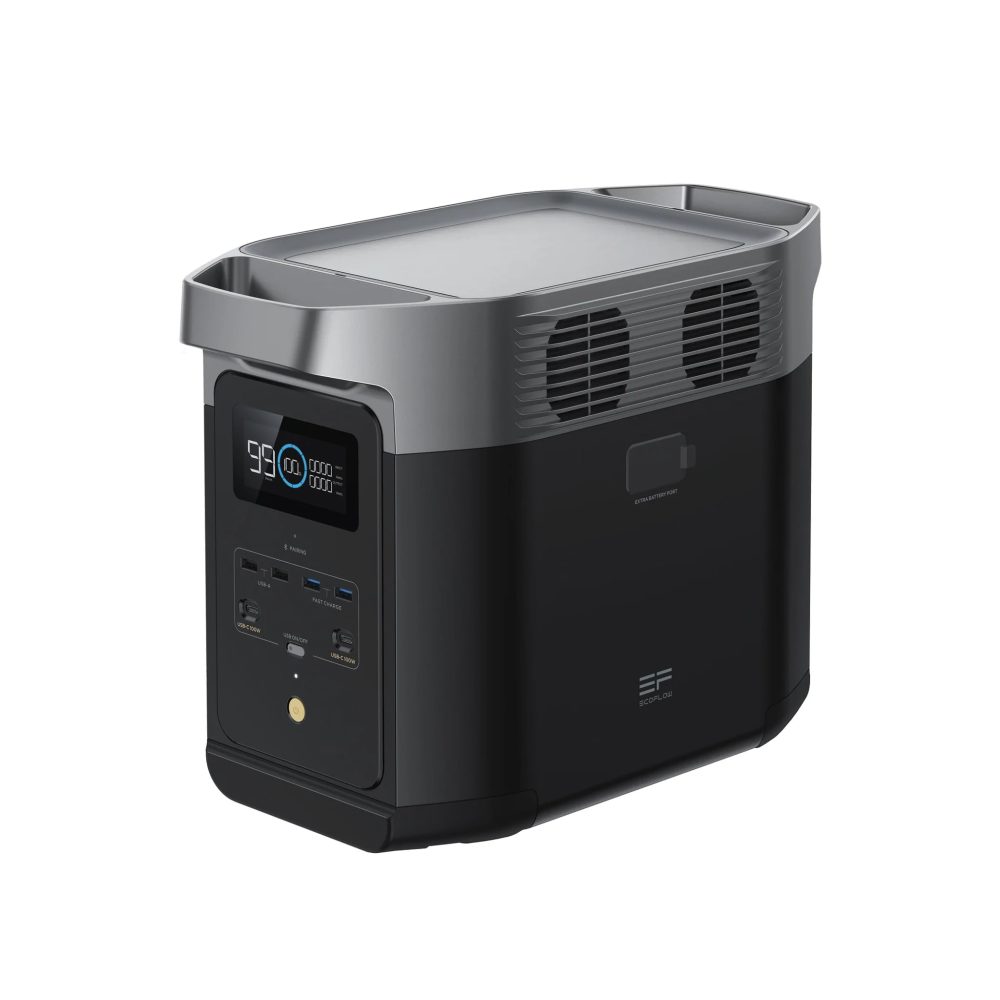
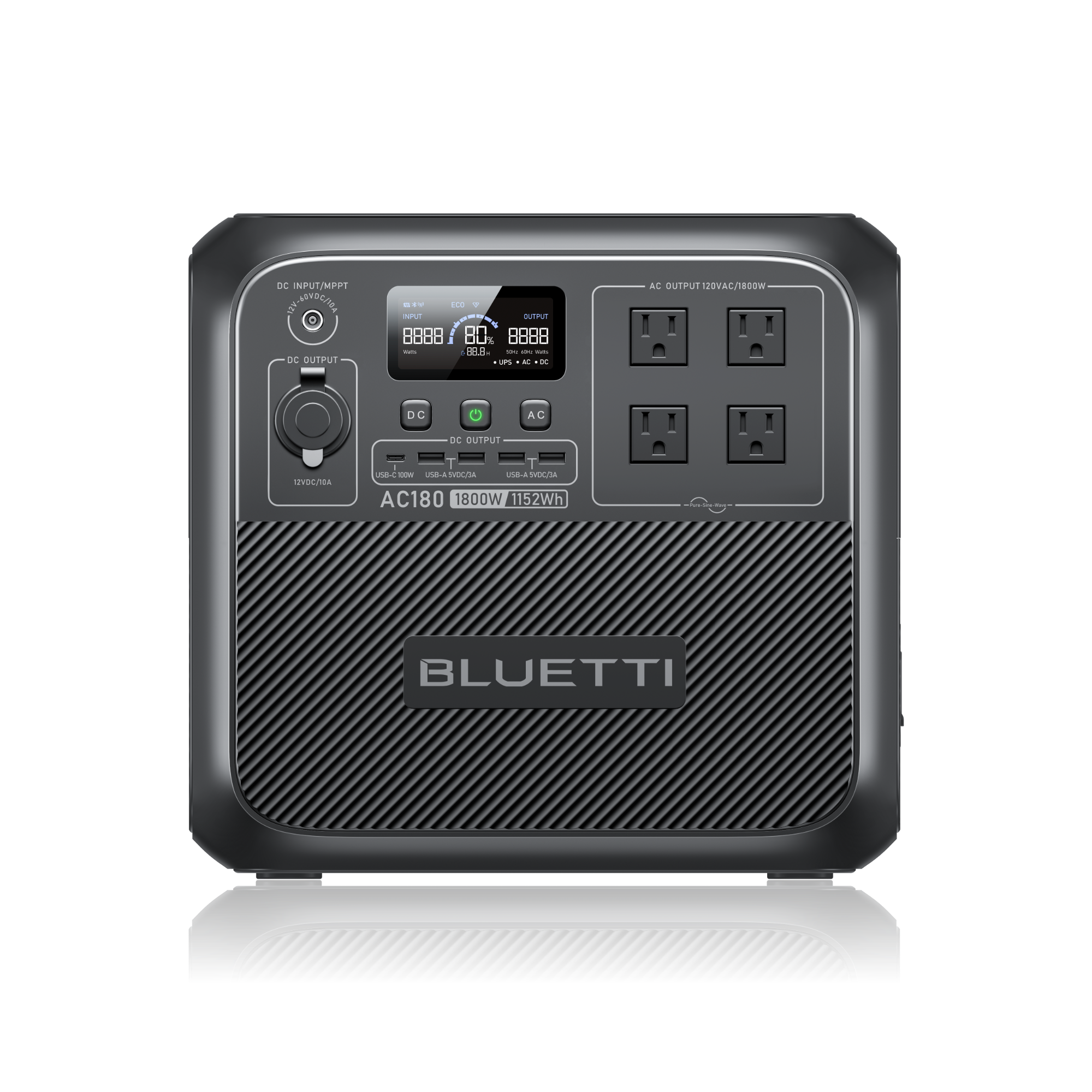
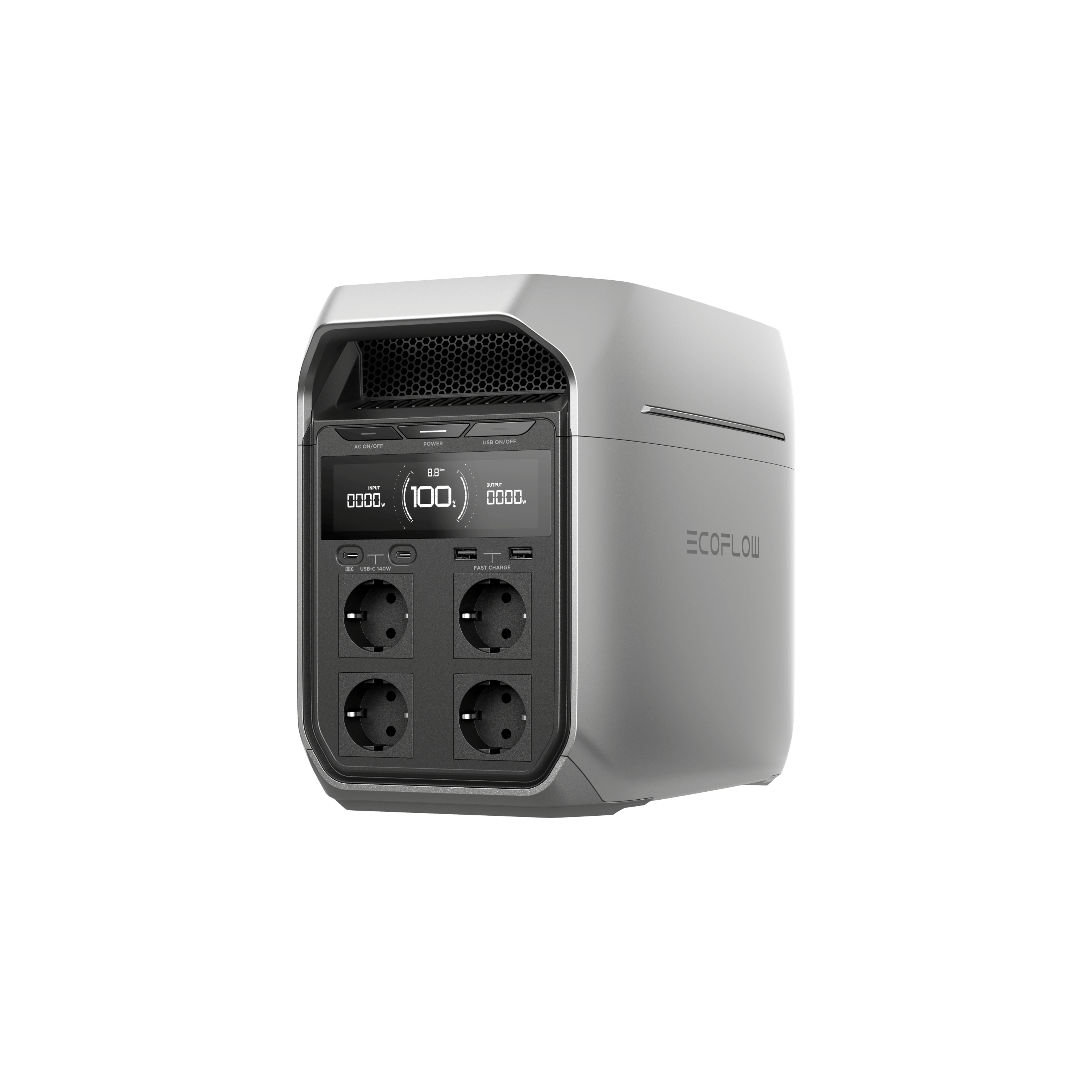
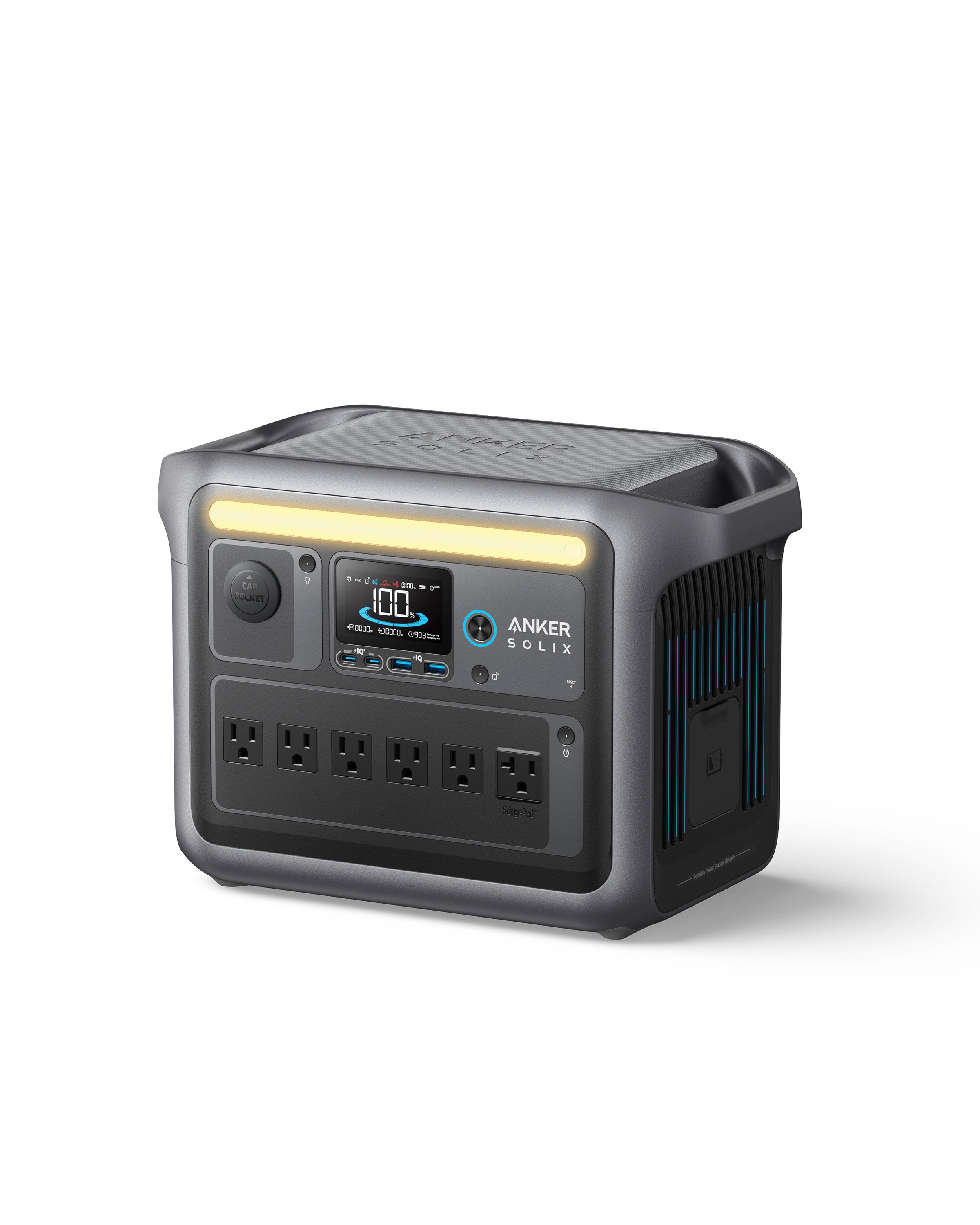
This is where most households should land. A 1kWh station with an 1800W inverter (EcoFlow Delta 2 / Delta 3 Plus, Bluetti AC180, Anker Solix C1000) runs a full-size fridge for 12–18 hours — covering the overwhelming majority of outages — plus a router, phones, and lights simultaneously. If you buy one station for fridge backup, buy here.
Tier 3 — 2kWh+: multi-day outages
For outages measured in days, 1kWh isn't enough without refilling. Options: a 2kWh-class station (EcoFlow Delta 2 Max, Bluetti Elite 200 V2), an expandable 1kWh station with an extra battery (Delta 3 Plus to 5kWh, Anker C1000 to 2112Wh), or a 1kWh station paired with 400W+ of solar panels for daily refills. The expandable route is usually the best value — buy the base now, add the battery if you ever need it.
Our picks by tier
- Best value 1kWh for fridges: Bluetti AC180 — 1152Wh is the most capacity in the class and it's frequently the cheapest per watt-hour (~$424 on sale as of Oct 2026). Longest single-charge fridge runtime for the money.
- Best all-rounder: EcoFlow Delta 3 Plus — 1800W, dual 1000W solar input for daily refills, expandable to 5kWh. The pick if outages might stretch past a day.
- Best budget: EcoFlow Delta 2 — 2026 clearance pricing ($350–$600) makes this 1024Wh/1800W station the cheapest way into the sweet spot.
- Best for growth: Anker Solix C1000 — 58-minute recharge and expansion to 2112Wh; buy 1kWh now, double it later.
Tips that actually extend runtime
- Pre-chill and freeze thermal mass. Turn the fridge to its coldest setting before the outage and freeze water bottles — a full, cold fridge cycles far less.
- Don't open the door. Every opening dumps cold air and triggers a compressor cycle. Plan a cooler with ice for drinks and snacks.
- Unplug everything else first. Run the fridge alone for the first hour; add the router and chargers after the fridge is stable and cold.
- Use ECO mode if your station has one. It shuts off the inverter during idle periods, saving the 10–20W the inverter itself consumes.
- Recharge opportunistically. Even a single 200W panel adds meaningful runtime over a sunny day — roughly 1kWh per 5–6 hours of good sun.
- Know the 4-hour rule. Per food-safety guidance, a closed fridge keeps food safe for about 4 hours unpowered; a full freezer holds for ~48 hours. Size your backup so the station takes over well before those windows close.
FAQ
Can a portable power station run a refrigerator?
Yes — this is one of the most common uses. You need an inverter rated above the fridge's startup surge (1500W minimum, 1800W recommended for full-size) and enough capacity for the outage length: ~1kWh for overnight, 2kWh+ or solar for multi-day.
How many watts does a refrigerator use?
Typically 100–200W running for a full-size fridge (150W is a good planning figure), with an 800–1200W startup surge when the compressor kicks on. Mini fridges run ~50–100W with a 300–600W surge. Check your fridge's label for exact figures.
How long will a 1000Wh power station run a fridge?
Roughly 12–16 hours for a standard full-size fridge, because the compressor only runs 30–50% of the time. Keep the door closed and it stretches further; open it often and it shrinks.
Do I need a pure sine wave inverter for my fridge?
Yes — all the stations recommended here use pure sine wave inverters, which is what compressor motors and modern fridge electronics require. Avoid modified-sine-wave inverters for refrigerators.
Can I plug the fridge directly into the power station?
Yes — plug it into one of the AC outlets like any appliance. For automatic backup, use the station's UPS mode (if equipped) with the fridge plugged into the station and the station plugged into the wall; it switches over in milliseconds when the grid drops.
Verdict
Size for the surge, buy for the runtime: a 1kWh station with an 1800W pure-sine-wave inverter is the right answer for a full-size refrigerator through a typical outage — roughly 12–18 hours of real-world runtime, surge headroom included. The Bluetti AC180 gives you the most hours per dollar; the EcoFlow Delta 3 Plus gives you the best path to multi-day coverage via solar and expansion. Whatever you buy, pre-chill the fridge, keep the door shut, and let the duty cycle do the heavy lifting.
About our reviews
Specs come from published manufacturer data sheets, cross-checked against owner feedback. Figures go stale. Check the current data sheet before you buy. This is not electrical or purchasing advice.
Related guides
 Sizing guidesHow Long Will a 1000Wh Power Station Run? (Chart)The simple runtime formula — (watt-hours × 0.85) ÷ watts — plus a full chart: how long a 1000Wh power station runs a…
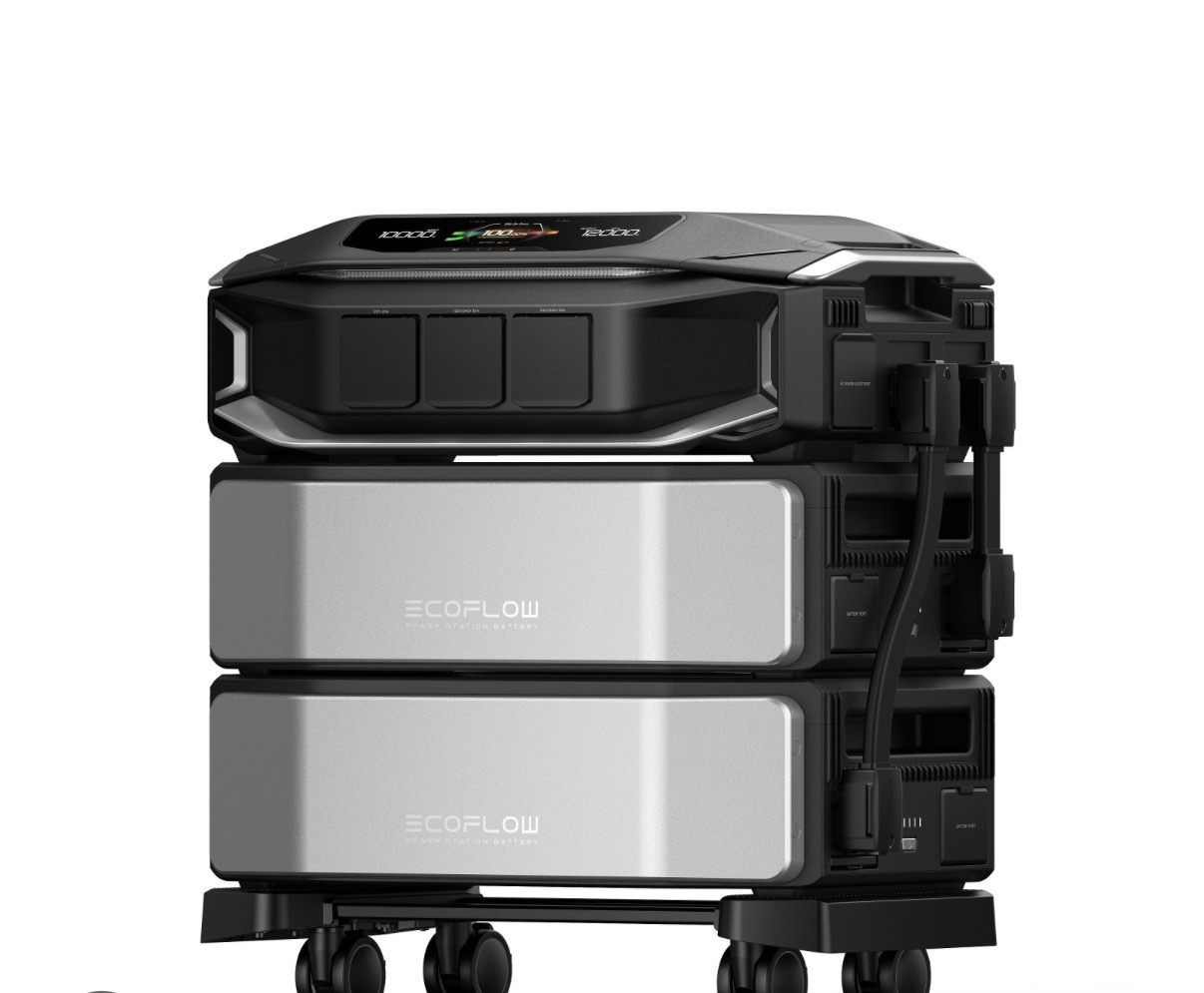 Sizing guidesHow Many Watts Do I Need for Home Backup? (2026)Sizing home backup power is two separate math problems: how much power at once (watts) and how much energy over time…
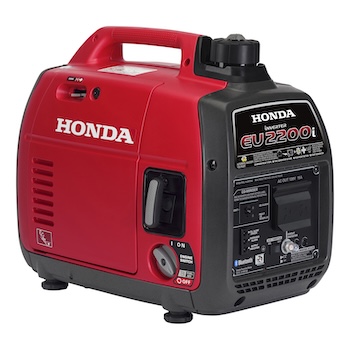 Sizing guidesPower Station vs Gas Generator for Home Backup (2026)Battery vs. gas for home backup: the honest comparison. We break down noise, fumes, fuel cost per kWh, runtime, maintenance, and…