Is Plug-In Solar Legal in Your State? 2026 Law Tracker
10 min read
On this page
- The short version
- In force now: the 6 states where you can plug in today
- Signed, but not yet in force: the 4 states that switch on in 2027
- Coming next: New York, Massachusetts and the rest
- What "no law yet" means in the other 40 states
- The five requirements every enacted law shares
- Renters and HOAs: the second legal layer
- How to check your own state in 5 minutes
- Frequently asked questions
- Verdict
Ten states have now passed plug-in (balcony) solar laws — six are in force today and four switch on in 2027. This tracker lists every state's law, size limit, effective date and renter/HOA rules, and explains what "no law yet" actually…
The short version
As of October 2026, 10 US states have enacted plug-in solar laws — the statutes that let you connect a small solar kit to your home through a standard wall outlet without a utility interconnection agreement. Six are in force today (Utah, Maine, Maryland, Vermont, Colorado and Connecticut) and four more switch on in 2027 (Virginia, New Hampshire and California on January 1; New Jersey on March 1). New York's bill has passed its legislature and awaits the governor, Massachusetts is close behind, and bills have been introduced in roughly 18 more states plus Washington, D.C. Everywhere else there is no plug-in solar law yet — which does not mean the kits are banned, but it does mean the old interconnection rules still technically apply. This page tracks the state picture and is updated as laws pass and take effect. If you are new to the category, start with our explainer on what plug-in solar is and how balcony solar works in the US; this tracker is the legal companion to that guide.
This is a research-based tracker, not legal advice. Every entry below was checked against state law text, legislative records and state-by-state trackers in October 2026. Laws in this category are changing month by month — confirm your state's current position, and your utility's, lease and HOA rules, before you buy or plug in.
In force now: the 6 states where you can plug in today
| State | Law | In force since | Size limit | Good to know |
|---|---|---|---|---|
| Utah | HB 340 | May 7, 2025 | 1,200W | The first state in the nation. A qualifying device is exempt from interconnection agreements, approval and fees, and is not part of net metering. The law is silent on landlords and HOAs, so your lease still decides. |
| Maine | LD 1730 | July 29, 2026 | 1,200W | The two-tier state: up to 420W is straightforward self-install; going above that (up to the 1,200W cap) requires a licensed electrician and a dedicated outlet. Systems above 420W must notify the utility within 30 days. |
| Maryland | HB 1532 | July 1, 2026 | 1,200W per meter | Notify your utility before installing. One of the four states where EcoFlow currently lists plug-in installation of its STREAM system as permitted. |
| Vermont | S. 202 | July 1, 2026 | 1,200W per meter | The most renter-friendly law in force: renters give 10 days' notice, landlords can set reasonable rules but HOA covenants cannot ban kits outright. Requires a home with a smart meter. |
| Colorado | HB 26-1007 | August 12, 2026 | 1,920W | The biggest cap in the country — 60% above the usual 1,200W. Your utility may ask you to register the system's size. Landlord and HOA protections (no unreasonable bans) begin January 1, 2027. |
| Connecticut | HB 5340 | October 1, 2026 | 1,200W, one kit per meter | The newest law in force. No utility notice is required by the statute; landlord and HOA questions are left to your lease and covenants. Note: exported power may be billed as usage by some metering setups — consume what you generate. |
One practical cross-check: EcoFlow's US store currently lists plug-in installation of its STREAM system as permitted in Utah, Maryland, Connecticut and Colorado — a subset of the in-force states, and a useful sign of where manufacturers are comfortable selling today. Maine and Vermont are in force by law even where a given brand has not yet updated its own list.
Signed, but not yet in force: the 4 states that switch on in 2027
| State | Law | Takes effect | Size limit | Good to know |
|---|---|---|---|---|
| California | SB 868 (Plug Into the Sun Act) | January 1, 2027 | 1,200W per home | Signed September 30, 2026 (Chapter 985). Until the effective date, the old interconnection rules still apply — a retailer selling you a California plug-in kit "for use now" is getting ahead of the law. The interconnection exemption sunsets on January 1, 2030 unless extended. |
| Virginia | HB 395 / SB 250 | January 1, 2027 | 1,200W | Notify your utility before installing, on a state form. Renters give 7 days' notice, and landlords with more than 4 rental units cannot ban kits. HOA rules still apply. |
| New Hampshire | SB 540 | January 1, 2027 | 1,200W | Signed July 2026; the main provisions take effect with the new year. Your utility may ask for notice or registration. |
| New Jersey | S 2368 (Garden State Balcony Solar Act) | March 1, 2027 | 1,200W per home | Signed September 1, 2026. Landlords and HOAs cannot ban kits; renters who pay their own electric bill give 14 days' written notice. Also the first law to exempt very small devices (at or under 400W) from the UL 3700 certification requirement. |
Signed is not the same as legal today. In all four states above, plugging a kit into the grid before the effective date means doing so under the old rules. The sensible move is to plan, measure your balcony and daytime loads, and be ready for day one — not to plug in early.
Coming next: New York, Massachusetts and the rest
- New York — the SUNNY Act (Solar Up Now New York) has passed both chambers of the legislature and is awaiting Governor Hochul's signature. It would make New York the 11th state.
- Massachusetts — plug-in solar language (H 5175) passed both chambers as part of a larger energy bill; a conference committee is reconciling the versions.
- Everywhere else — bills have been introduced in roughly 18 additional states and in Washington, D.C. (the GRID Act), and a federal plug-in solar bill has been introduced in Congress. None of those are law yet.
The direction of travel is one-way: no state that has passed a plug-in solar law has repealed one, and the 2026 session added nine states to Utah's 2025 start. If your state has a bill pending, the realistic expectation is a 2027–2028 effective date, following the pattern above.
What "no law yet" means in the other 40 states
This is the most misunderstood part of the map, so let us be precise. In a state with no plug-in solar law:
- Owning a kit is not illegal. Nothing stops you buying panels and a microinverter, and using solar to charge a battery off-grid is unregulated in the way it has always been.
- Connecting it to your home's wiring is the regulated act. Without an enabling law, the standard utility interconnection process — application, approval, possibly fees and inspection — technically applies to anything that feeds power into your circuits, even 400W through an outlet.
- Enforcement varies enormously. Some utilities look the other way at small systems; others enforce their interconnection terms strictly, and an unapproved backfeeding device can violate your service agreement, your lease and local electrical code (NEC) adoption.
- The safe routes today are to ask your utility (some have pilot or small-system pathways), wait for your state's bill, or keep solar off-grid: panels charging a power station never touch your home's wiring. Our guide to the best solar generators for power outages and our explainer on how many solar panels you need to recharge a power station cover that route in full.
The five requirements every enacted law shares
Read any of the 10 statutes and the same skeleton appears — this is the checklist a kit has to meet wherever plug-in solar is legal:
- Certification. The system must be certified by UL or an equivalent nationally recognized testing laboratory (NRTL). The system-level standard written for this category is UL 3700 (published December 2025; certification program opened January 2026) — component-level UL 1741 inverter certification alone is the older, weaker claim, and New Jersey's sub-400W exemption is the only carve-out so far.
- Electrical code compliance. The device must meet the National Electrical Code (NEC) as adopted in your state.
- Anti-islanding. The inverter must stop energizing your wiring the instant the grid goes down, and the plug's prongs must go dead almost immediately when unplugged. This is non-negotiable in every law.
- A standard outlet. Connection is through an ordinary 120V receptacle — no panel work, no hardwiring. Some states add conditions (Maine's dedicated-outlet rule above 420W; Vermont's smart-meter requirement).
- No net metering. Plug-in devices sit outside net metering in every enacted law. Power you export earns you nothing, which is why sizing to your daytime consumption — or storing the surplus in a battery — decides whether a kit pays. At the EIA's October 2026 forecast US average residential price of about 18.2¢/kWh, an 800W kit producing 600–900 kWh a year saves roughly $110–$165 a year if you consume what it makes — an estimate, not a promise, and the math is worked through in our plug-in solar hub guide.
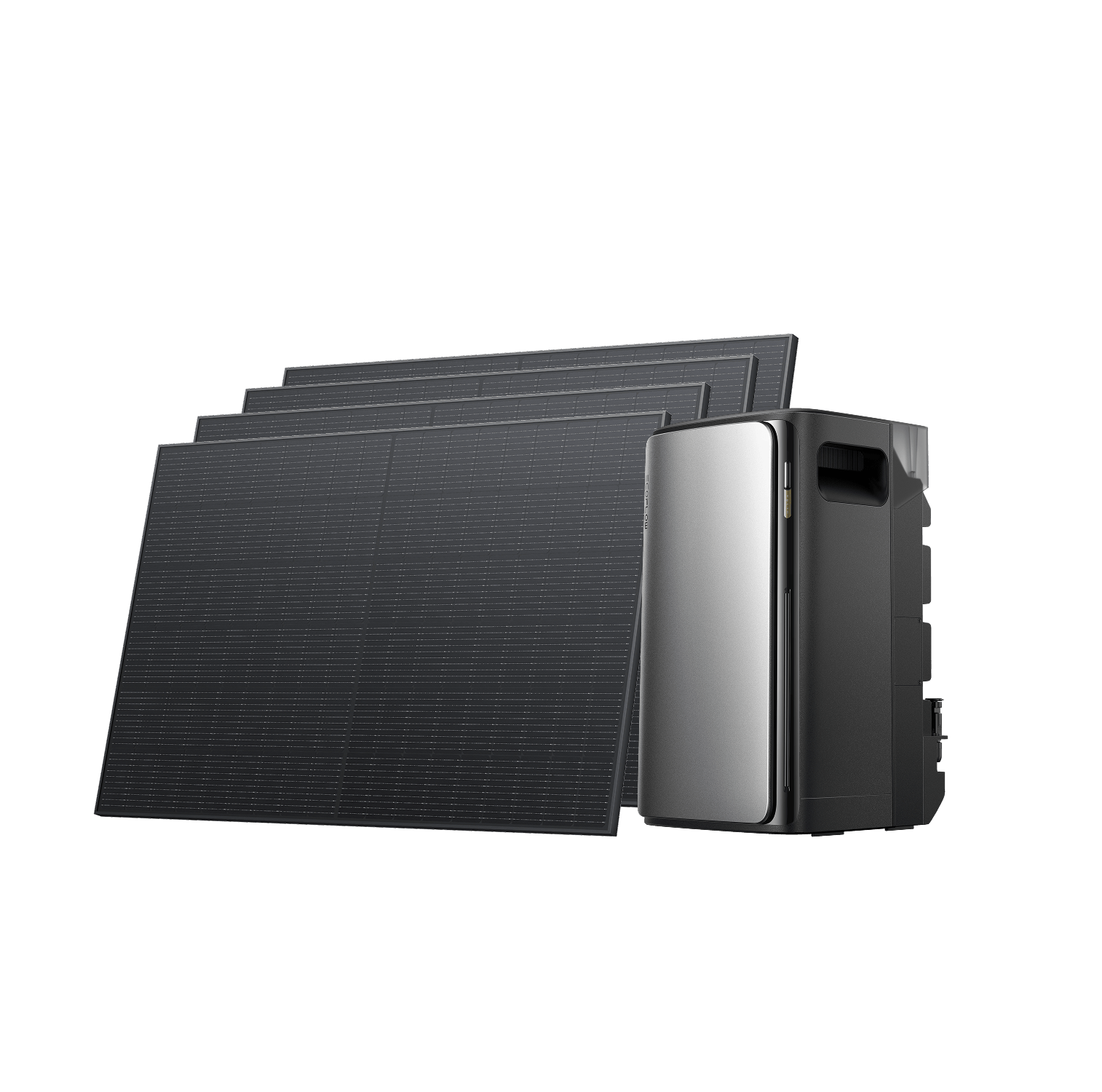
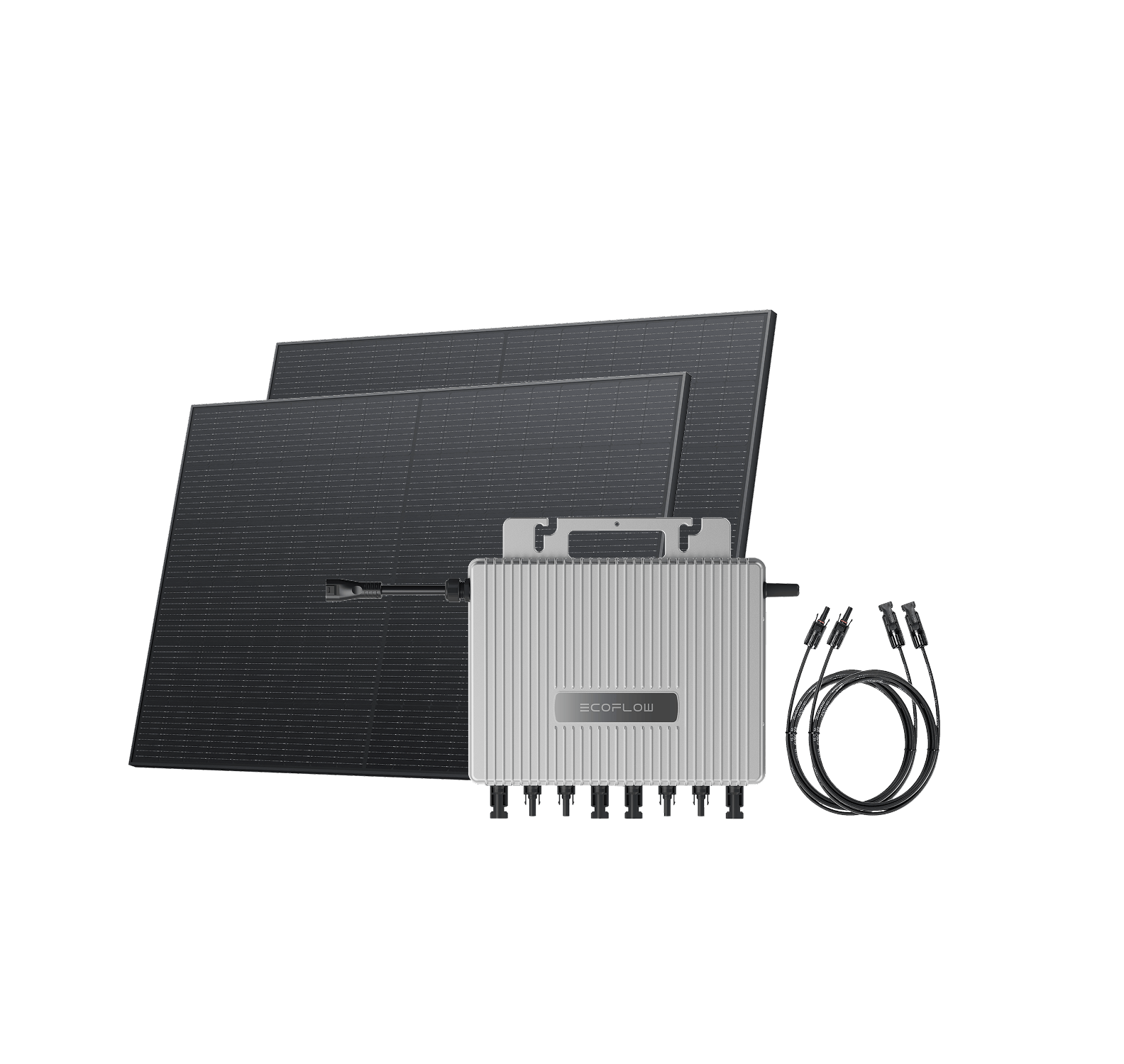
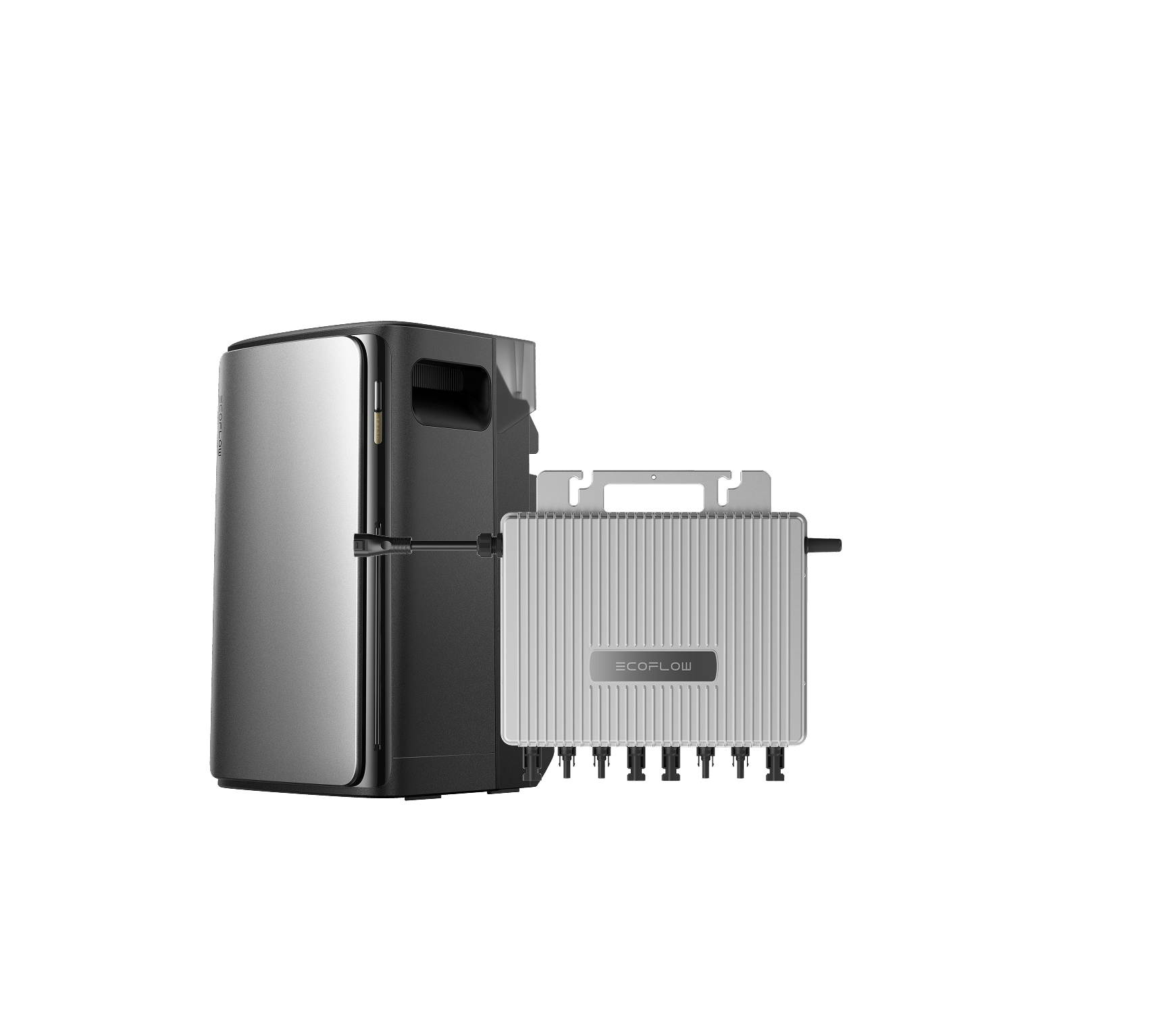
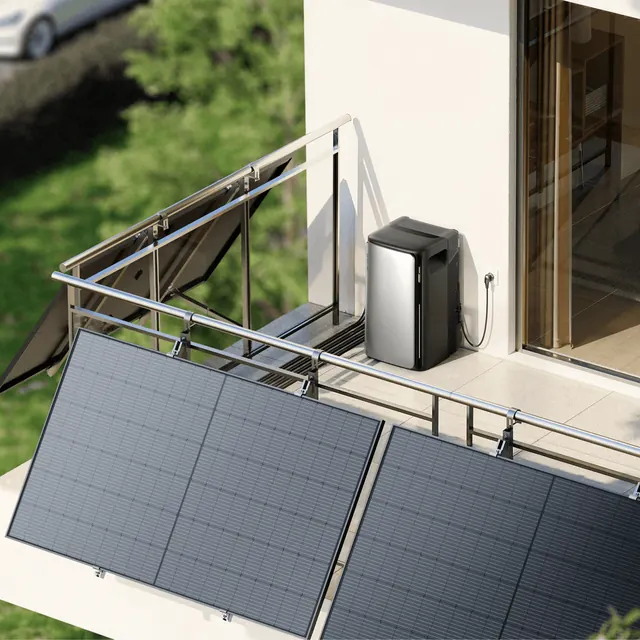
Our standing rule, unchanged: never connect a kit to your home's wiring if it has no verifiable UL (or equivalent NRTL) listing. Uncertified marketplace kits are the exact products these laws were written to keep off the grid. Also check the plug and the paperwork: EcoFlow's PowerStream line and Anker's Solarbank line are European products — the US EcoFlow offering is the STREAM series pictured here — and an EU-only kit does not become legal in Utah by being shipped to Utah.
Renters and HOAs: the second legal layer
A state law answers the utility question. Whether you can install still depends on two more layers:
- Your lease. Only Vermont (in force), and Colorado, Virginia and New Jersey (from their 2027 dates), limit a landlord's ability to refuse. In Utah, Maine, Maryland, Connecticut, New Hampshire and California the statutes are silent — your lease decides, so get written permission before ordering.
- Your HOA or condo board. Vermont and New Jersey limit HOA bans; Colorado's limits start January 1, 2027. Elsewhere, covenants and railing/appearance rules apply as written. A no-drill, railing-clamp installation and a photo of how it looks from the street defuse most objections.
If blackout backup — not bill savings — is your actual goal, none of these laws change the answer: a grid-tied kit shuts off in an outage by design. That job belongs to a battery, covered in our home backup power station guide — a station like the EcoFlow Delta 2 charges from panels entirely off-grid and needs no law, permit or permission slip in any state.
How to check your own state in 5 minutes
- Find your state in the tables above. In force = proceed to step 3. Signed for 2027 = plan, don't plug in yet. Not listed = step 2.
- No law yet? Call or email your utility and ask one question: "Do you have a pathway for a UL-listed plug-in solar device under 1,200W?" Get the answer in writing.
- Verify the exact kit's certification in UL's Product iQ database — the specific model, not the brand's marketing page.
- Renters: send your landlord the law, the kit's certification and a photo of the mounting method, and get a yes in writing. HOA homes: check the covenants for railing and exterior-equipment rules.
- Size to your daytime base load (fridge, router, home office). Exported power is unpaid in every state — a smaller kit you fully consume beats a bigger one you don't.
Frequently asked questions
Is plug-in solar legal in California?
Not yet — but it is signed. SB 868 was signed on September 30, 2026 and takes effect January 1, 2027, allowing certified systems up to 1,200W per home with no interconnection application. Until that date, California's existing interconnection rules apply.
Is plug-in solar legal in Texas, Florida or Ohio?
None of the three has enacted a plug-in solar law as of October 2026, and Texas has no active bill. The older interconnection rules technically apply to grid-connected kits; off-grid panel-and-battery setups are unaffected. Florida buyers should also check condo and HOA rules carefully.
Do I need my utility's permission in a state with a law?
No interconnection agreement, approval or fee — that exemption is the core of every enacted law. Two states still ask for notice: Maryland and Virginia require you to notify the utility before installing, and Maine requires notice within 30 days for systems above 420W. Colorado's utility may ask you to register the system's size.
What size plug-in solar kit can I install?
1,200W in nine of the ten enacted states — measured as the device's maximum AC output through a standard 120V outlet. Colorado is the exception at 1,920W. Maine splits its cap: 420W for simple self-install, up to 1,200W with a licensed electrician and a dedicated outlet.
Will I get paid for power my kit sends to the grid?
No. Every enacted law places plug-in devices outside net metering, so exported power earns nothing. Consume it as it is made, or store it — battery systems exist precisely for this, and our camping and outage power station picks show the portable end of that storage range.
What certification should I look for?
A verifiable UL or equivalent NRTL listing for the specific kit. UL 3700 is the new system-level standard for plug-in solar (published December 2025); UL 1741 on the inverter alone is a component claim, not a whole-system one. If a listing cannot be found in UL Product iQ, treat the kit as uncertified — and never grid-connect an uncertified kit.
Verdict
The legal map flipped in eighteen months: from Utah alone in May 2025 to 10 enacted states by October 2026, four of them starting in 2027, with New York and Massachusetts in the doorway. If you live in Utah, Maine, Maryland, Vermont, Colorado or Connecticut, a certified kit plugged into a standard outlet is legal today. In California, Virginia, New Hampshire and New Jersey, your date is set — January 1 or March 1, 2027. Everywhere else, the honest position is "no law yet": ask your utility, keep solar off-grid with a panel-and-station setup in the meantime, and watch your state's bill. We update this tracker as laws are signed and take effect — last checked October 26, 2026.
About our reviews
Specs come from published manufacturer data sheets, cross-checked against owner feedback. Runtime estimates use usable capacity (Wh × 0.85 ÷ watts). We do not lab-test units unless an article says so. Figures go stale. Check the current data sheet before you buy. This is not electrical or purchasing advice. How we research.
Related guides
 Buying guidesWhat Is Plug-In Solar? How Balcony Solar Works in the USPlug-in solar (balcony solar) is a small panel-and-microinverter kit that feeds power into your home through a standard wall…
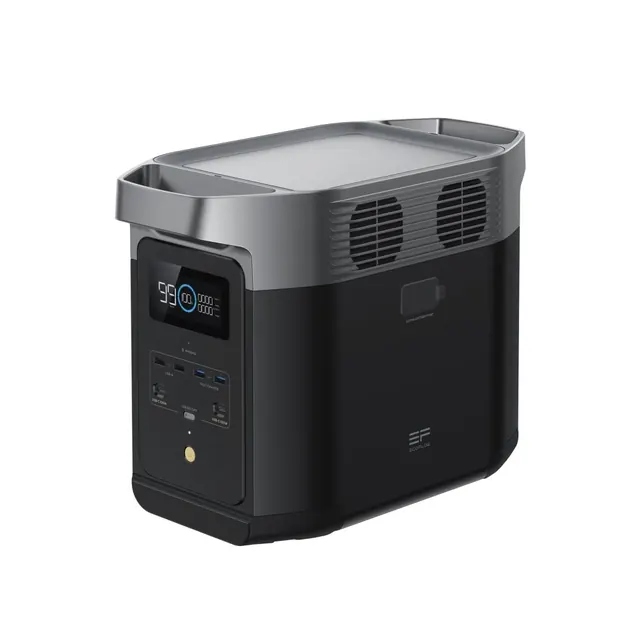 Buying guidesEcoFlow vs Jackery vs Bluetti: Which Brand to Buy in 2026?EcoFlow, Jackery, and Bluetti sell roughly 70% of all portable power stations — but they are not interchangeable. This…
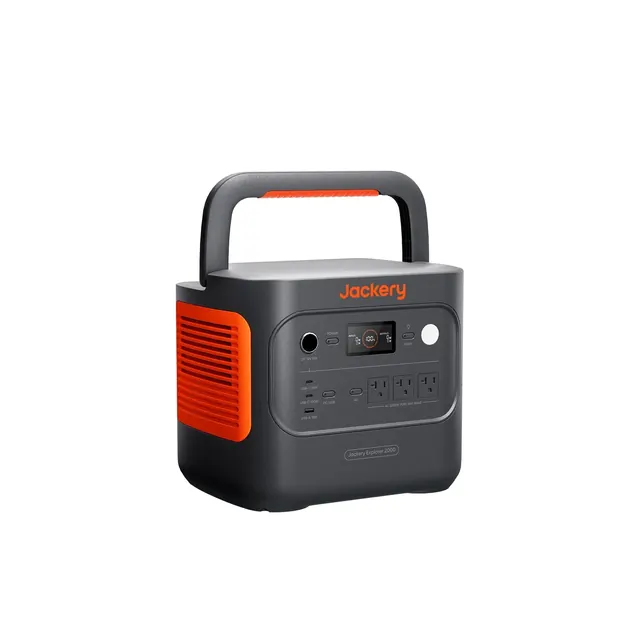 Buying guidesBest Portable Power Stations for Camping in 2026The best camping power stations of 2026, ranked by research: Jackery Explorer 2000 v2, Anker Solix C1000, Bluetti Elite 200 V2,…
Reader comments
No comments yet. Own this model or have a question about it? Share it below.