EcoFlow Delta 3 Review: 1024Wh Backup at $449
6 min read
On this page
The EcoFlow Delta 3 Classic is the 1kWh home-backup value play of 2026: 1024Wh, 1800W output, 45-minute recharge, 10ms UPS — around $449 as of October 2026. Research-based review with real specs, runtime math, and the honest verdict.
The budget 1kWh king
The EcoFlow Delta 3 is the current mainstream version of EcoFlow's best-selling 1kWh line — officially sold in the US as the DELTA 3 Classic — and it has quietly become one of the best value picks in home backup power: 1024Wh of LFP capacity, 1800W of pure sine wave output, a 45-minute 0–80% recharge, and a <10ms UPS, all for around $449 as of October 2026. This review is research-based: every figure below comes from EcoFlow's official US specifications. We did not bench-test the unit.
A quick naming note: EcoFlow currently sells three distinct 1kWh models — the base Delta 3, the Delta 3 Plus, and this Classic (the budget version). Our Delta 3 vs Delta 2 upgrade comparison breaks down the differences, but this review covers the Classic — the one most people will actually buy at today's prices.
Specs at a glance
| Spec | EcoFlow Delta 3 Classic |
|---|---|
| Capacity | 1024Wh LiFePO4 (51.2V 20Ah) |
| Cell chemistry / cycle life | LFP, rated for ~10 years of use |
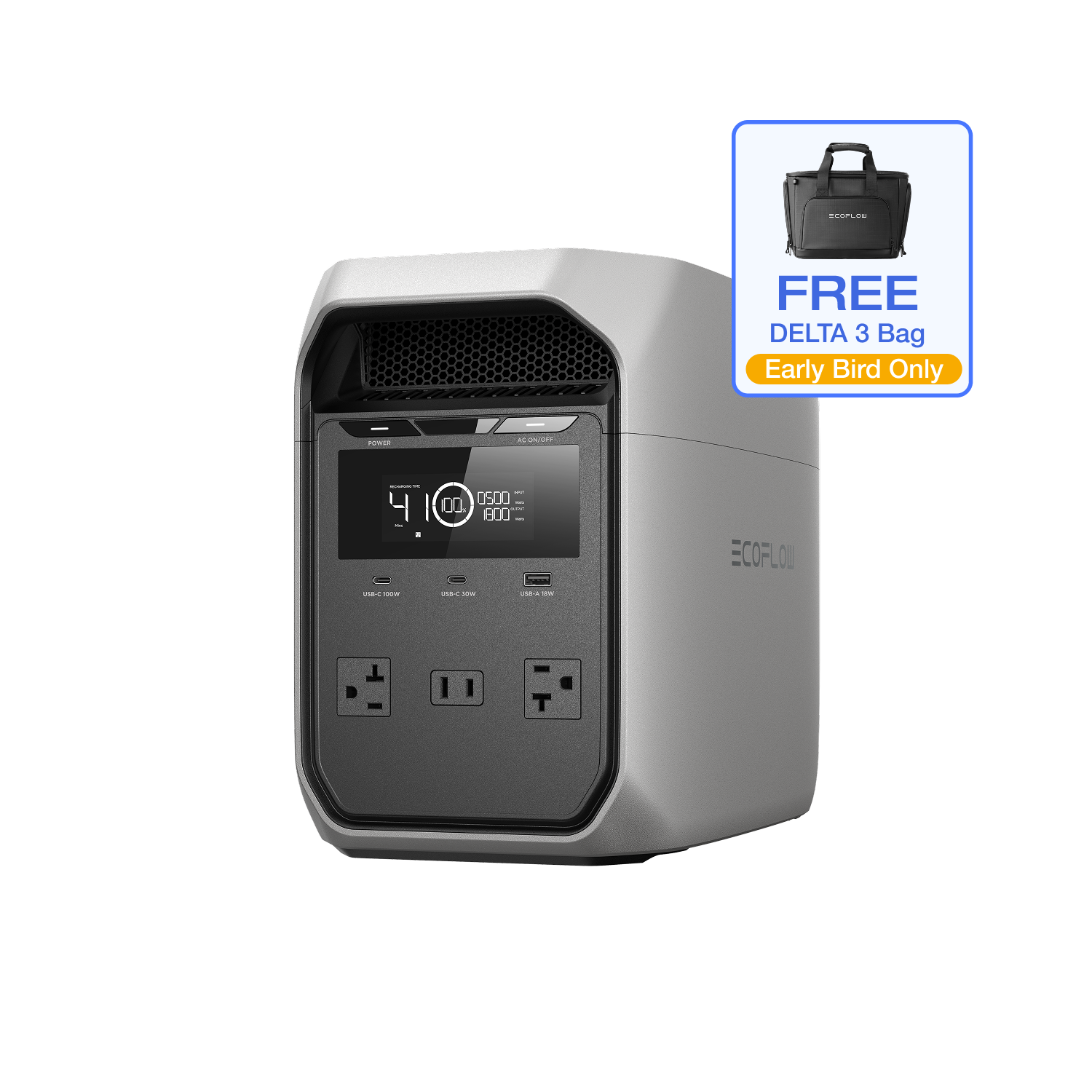
| AC output | 1800W total (3600W surge), 120V 60Hz pure sine wave |
| X-Boost | Up to 2600W |
| AC recharge | 1400W — 0–80% in ~45 min (X-Stream) |
| Solar input | 500W max |
| UPS switchover | 10ms |
| AC outlets / total outlets | 3 AC / 6 total |
| USB ports | 1× USB-A (18W), 1× USB-C 100W, 1× USB-C 30W |
| 12V DC output | None |
| Expandable | No — fixed 1kWh |
| Noise | <30dB at 600W, <40dB at 1200W (X-Quiet 3.0) |
| Weight / dimensions | 12.1kg (~26.7 lbs), 398 × 200 × 283 mm |
| Smart features | Storm Guard mode, Wi-Fi + Bluetooth, EcoFlow app (scheduled charging) |
| Warranty | 5 years (3 standard + 2 on app registration) |
| Typical price (Oct 2026) | ~$449 (list $599) |
What's good
1. The price is the story
At ~$449, the Delta 3 Classic delivers 1800W of output and a 45-minute recharge for less than most 1kWh stations cost — including its own sibling, the Delta 3 Plus. Nothing else from a top-tier brand touches this price-to-performance ratio right now.
2. 45-minute recharging
The 1400W X-Stream AC input takes the pack from 0–80% in about 45 minutes — fast enough to top off between storm bands or before the next shift at a job site. Few sub-$500 stations charge this quickly.
3. A real UPS for the essentials
The 10ms switchover qualifies as genuine UPS-class backup: your Wi-Fi router, NAS, or desktop PC keeps running through a grid blip. If home backup is the goal, this is the single most useful feature — and it's also why the Classic ranks well in our best portable power stations for home backup roundup.
4. Quiet enough for the living room
EcoFlow rates it under 30dB at 600W load — whisper level — via stepless X-Quiet 3.0 fan control. Older 1kWh stations' fan noise was their most common complaint; this generation finally takes it off the table.
5. Storm Guard automation
The Classic inherits the Delta 3 family's headline software trick: Storm Guard watches weather alerts and auto-starts charging when severe weather is forecast, so the unit is full before the outage without you thinking about it.
The catches (know these before checkout)
1. No expansion — this is the big one
Unlike the base Delta 3 and Plus, the Classic has no extra-battery port. What you buy is what you get: 1024Wh, forever. If you think you'll need more capacity later, the Delta 2 (expandable to 2–3kWh) or the Delta 3 Plus are the alternatives — at higher prices.
2. Only 6 outlets, and no 12V DC port
The Classic strips the port count down to 3 AC outlets, two USB-C and one USB-A — and, unusually, no 12V car-style DC output at all. For phones, laptops, a router and a couple of appliances, six outlets is fine; a busy family charging everything at once will feel the squeeze. The base Delta 3 offers 13 outlets for comparison.
3. Solar capped at 500W
500W solar input recharges the unit in roughly 2–2.5 hours of good sun — acceptable, but half of what the Delta 3 Plus accepts (1000W). This is primarily a wall-charge-first station.
What will it actually run? (runtime math)
Accounting for ~85% inverter efficiency, the 1024Wh pack delivers about 870Wh of usable AC energy. Realistic estimates, based on published specs:
- Fridge (120W) — ~7 hours (compressor cycling stretches this; a fridge runs roughly 50% duty cycle, so plan on 12–14 hours of actual food-safe cooling)
- CPAP (40W) — ~20 hours, or two full nights
- Laptop (60W) — ~14 hours
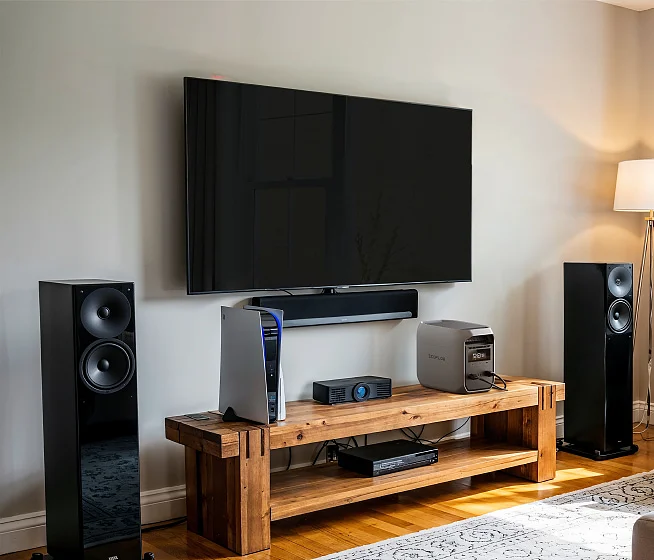
- 50" TV (110W) — ~7–8 hours
- Wi-Fi router (10W) — ~80+ hours of internet during an outage
- Microwave (1300W) — about 35 minutes of cooking time — enough for several meals
For a fuller sizing method, see our guide to sizing a power station for a refrigerator and the home backup roundup.
Who should buy it
- First-time backup buyers: $449 for 1800W + UPS + 45-min charging is the easiest entry into serious home backup power in 2026.
- Apartment and condo owners: no gas, no fumes, whisper-quiet, and compact at ~27 lbs — it lives in a closet until the lights go out.
- Remote workers: the 10ms UPS keeps the home office online through blips and short outages.
- Campers and road-trippers: 1800W runs camp kitchens and the 30dB noise rating keeps campsites neighbor-friendly.
Skip it if: you need expandability (get the Delta 3 Plus), you need lots of DC ports (look at the Jackery Explorer 1000 v2 or the Delta 2), or you want the fastest solar recharge (the Plus accepts 1000W).
Pros and cons
- Pros: best-in-class value (~$449); 1800W output + 2600W X-Boost; 0–80% in 45 min; genuine 10ms UPS; Storm Guard auto-charging; whisper-quiet; 5-year warranty; LFP battery
- Cons: not expandable; only 6 outlets; no 12V DC port; 500W solar cap; fewer USB ports than the base Delta 3
FAQ
Is the Delta 3 Classic the same as the Delta 3?
Not quite. EcoFlow's 1kWh family has three models: the base Delta 3, the Delta 3 Plus, and the Classic. The Classic is the budget version — 1400W AC input, 6 outlets, no 12V DC port, and no expandability. The base and Plus offer more ports and expansion to 5kWh. Our Delta 3 vs Delta 2 comparison details the lineup differences.
Can the Delta 3 Classic run a refrigerator?
Yes — a standard fridge (100–150W) runs for roughly 7 hours of continuous draw, and compressor cycling typically stretches food-safe cooling to 12–14 hours. It also handles the compressor's startup surge easily within its 3600W surge rating.
Can I add an extra battery later?
No. The Classic has no expansion port — 1024Wh is the maximum, permanently. If growth capacity matters, buy the base Delta 3 or Delta 3 Plus instead.
How long does it take to fully charge?
About 45 minutes to 80% via wall outlet (1400W X-Stream input); a full 100% takes closer to an hour. On solar (500W max input), expect roughly 2–2.5 hours in good sun.
Is it safe to use indoors?
Yes — LFP chemistry, no emissions, no fuel, and quiet operation make it safe for indoor use. It should still not be relied on as a certified medical or safety-critical backup system.
Delta 3 Classic vs Delta 2 — which should I buy?
At ~$449 the Classic is the better value for most buyers: faster charging, quieter, and Storm Guard. The Delta 2 only wins if you need expansion ports or its higher outlet count. Side-by-side details are in our Delta 3 vs Delta 2 comparison.
Verdict
The EcoFlow Delta 3 Classic is the best-value 1kWh power station of 2026. You give up expandability and a handful of ports — and for many buyers those simply don't matter. What you keep is the core home-backup experience: 1800W of clean power, a genuine 10ms UPS, 45-minute recharge, Storm Guard automation, and silence in the living room, all for ~$449. If your backup plan fits in 1kWh, buy this and don't look back.
About our reviews
Specs come from published manufacturer data sheets, cross-checked against owner feedback. Figures go stale. Check the current data sheet before you buy. This is not electrical or purchasing advice.
Related guides
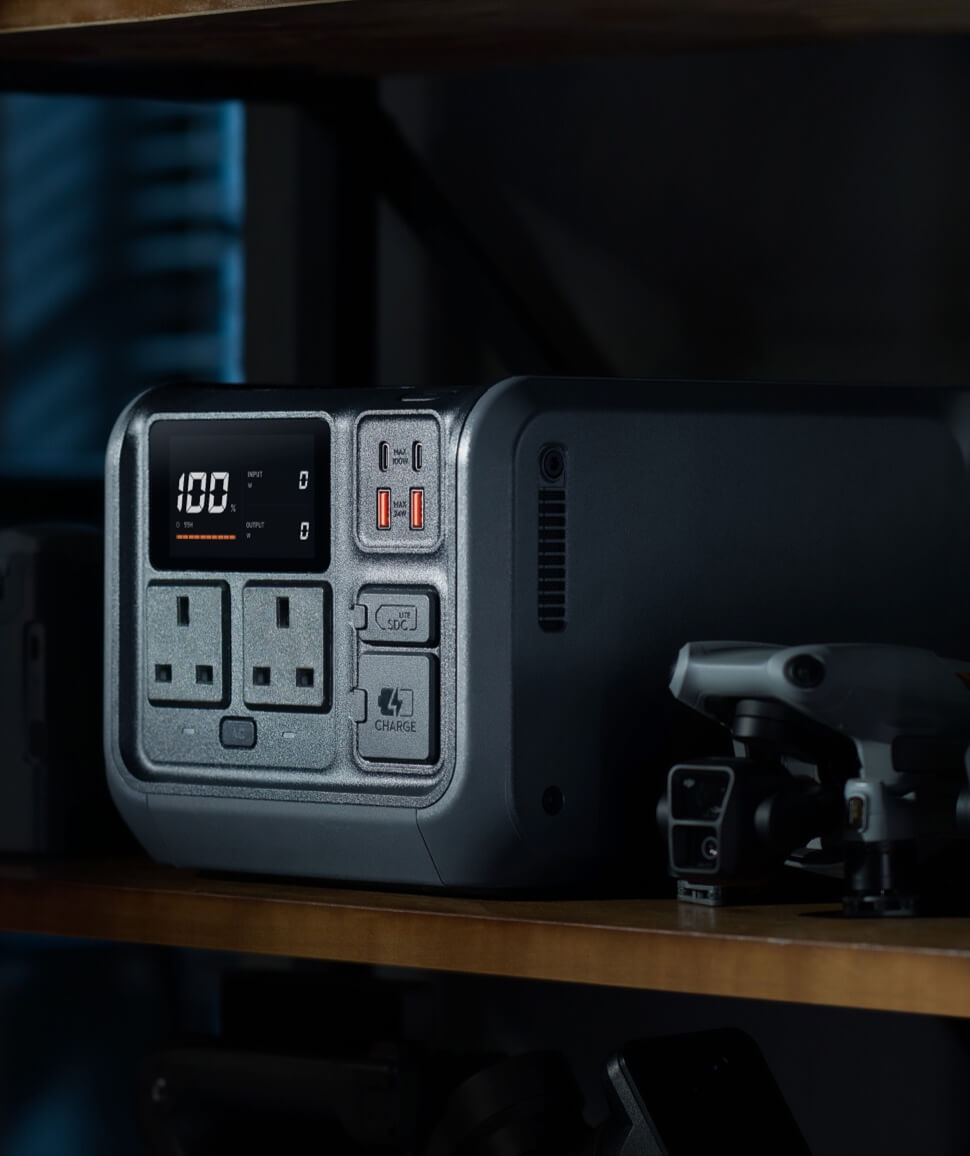 ReviewsDJI Power 500 Review: The Drone Pilot's 512Wh StationThe DJI Power 500 packs 512Wh of LFP storage with 1000W of continuous output, a full recharge in 70 minutes, and DJI's SDC…
 ReviewsDJI Power 1000 Review: The Drone Pilot's 1kWh StationThe DJI Power 1000 packs 1024Wh of LiFePO4 storage with 2200W of continuous output — the strongest 1kWh inverter in its class…
 ReviewsJackery Explorer 2000 v2 Review: Light & FastThe Jackery Explorer 2000 v2 is the lightest 2kWh power station in its class at 39.5 lbs, with a 52-minute emergency recharge,…